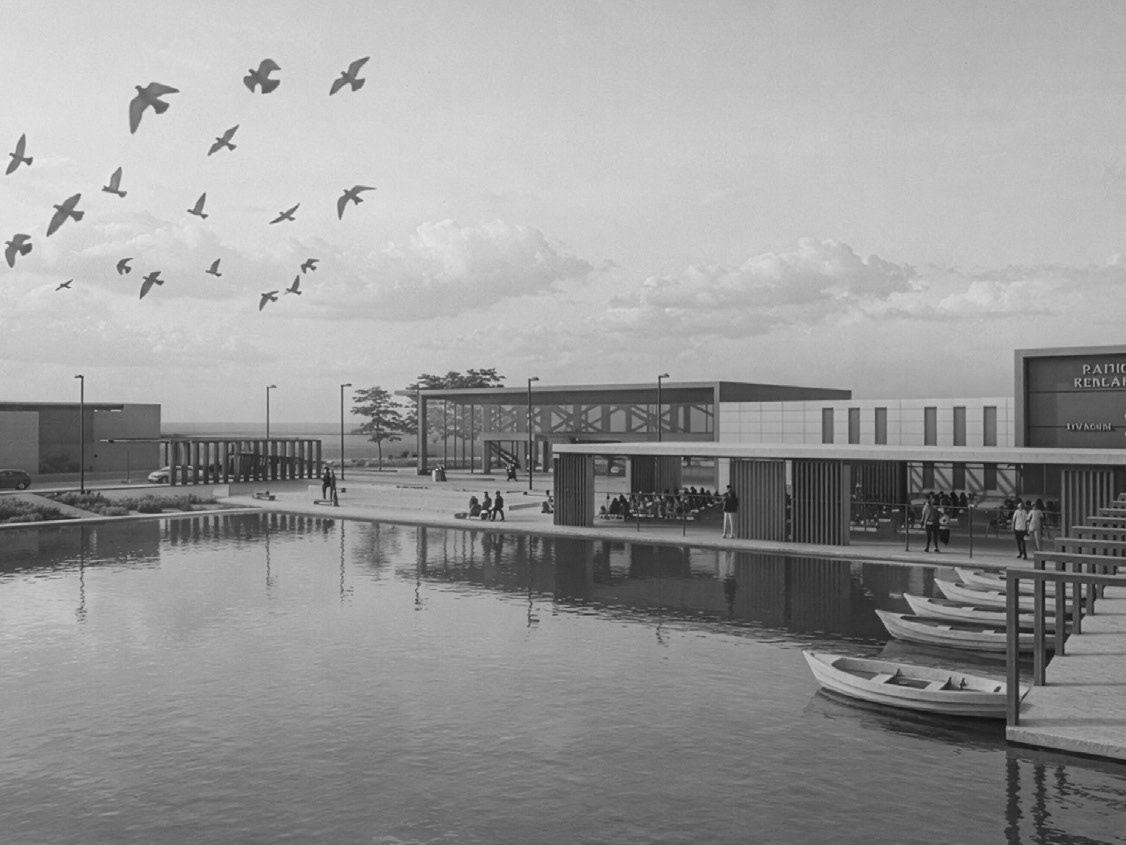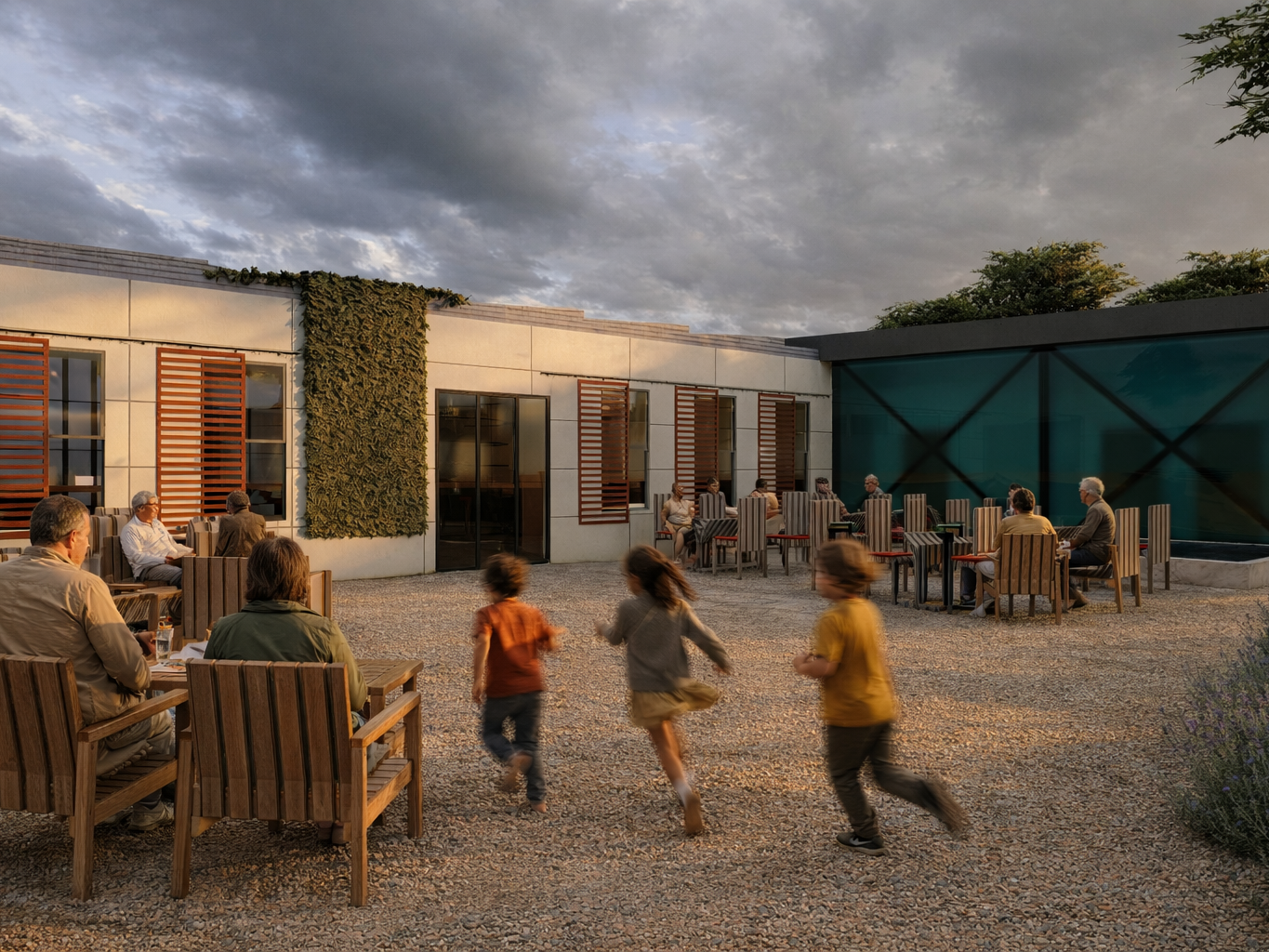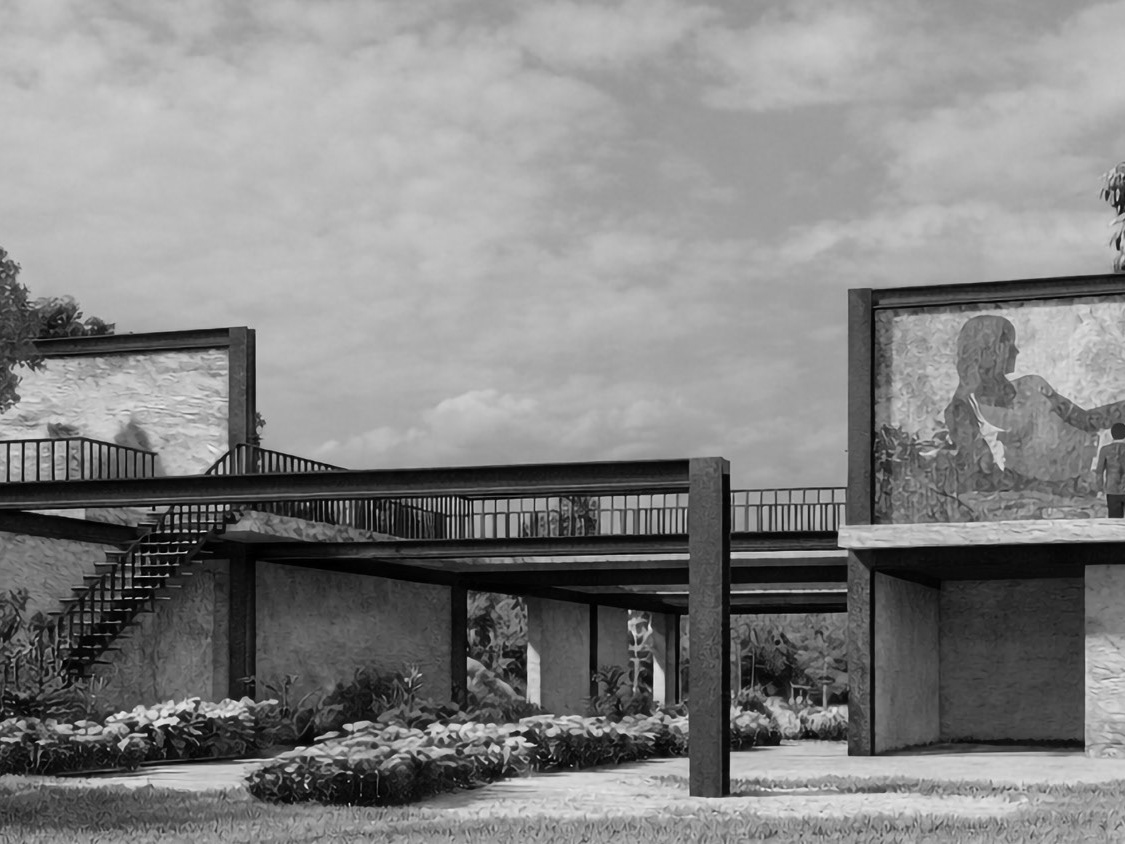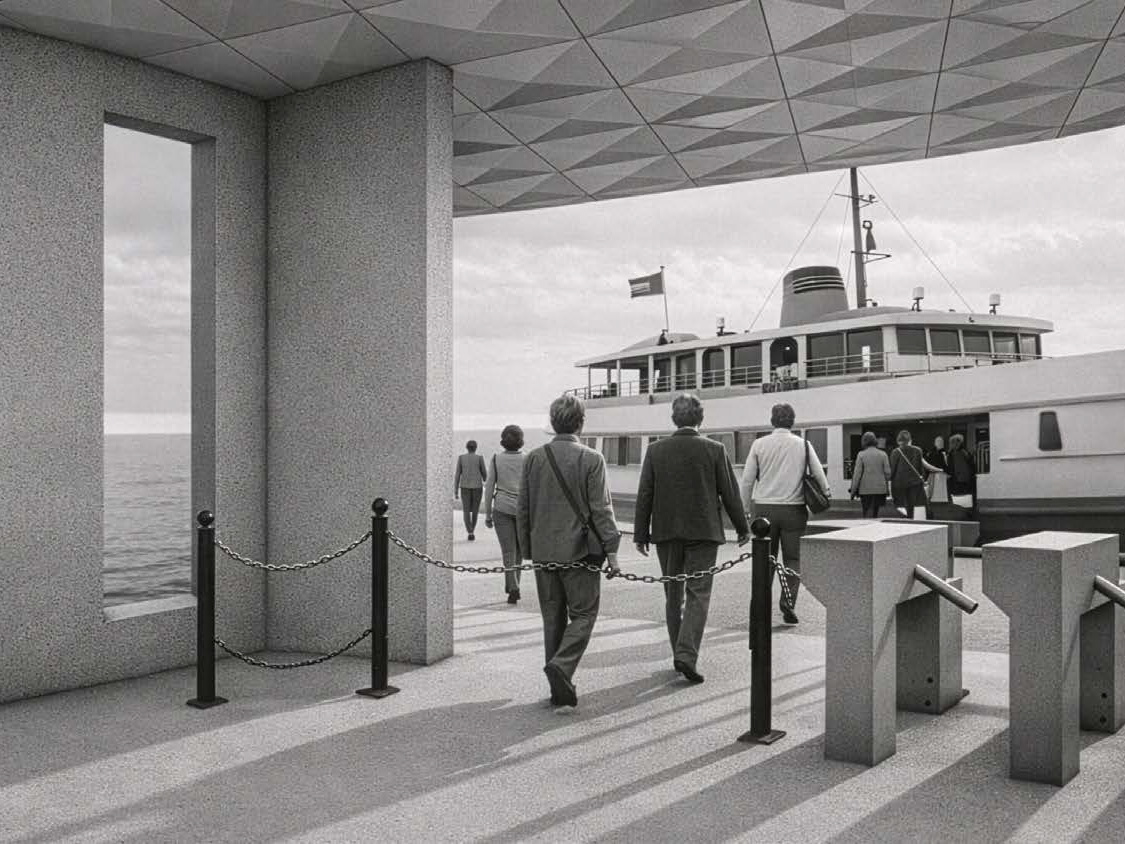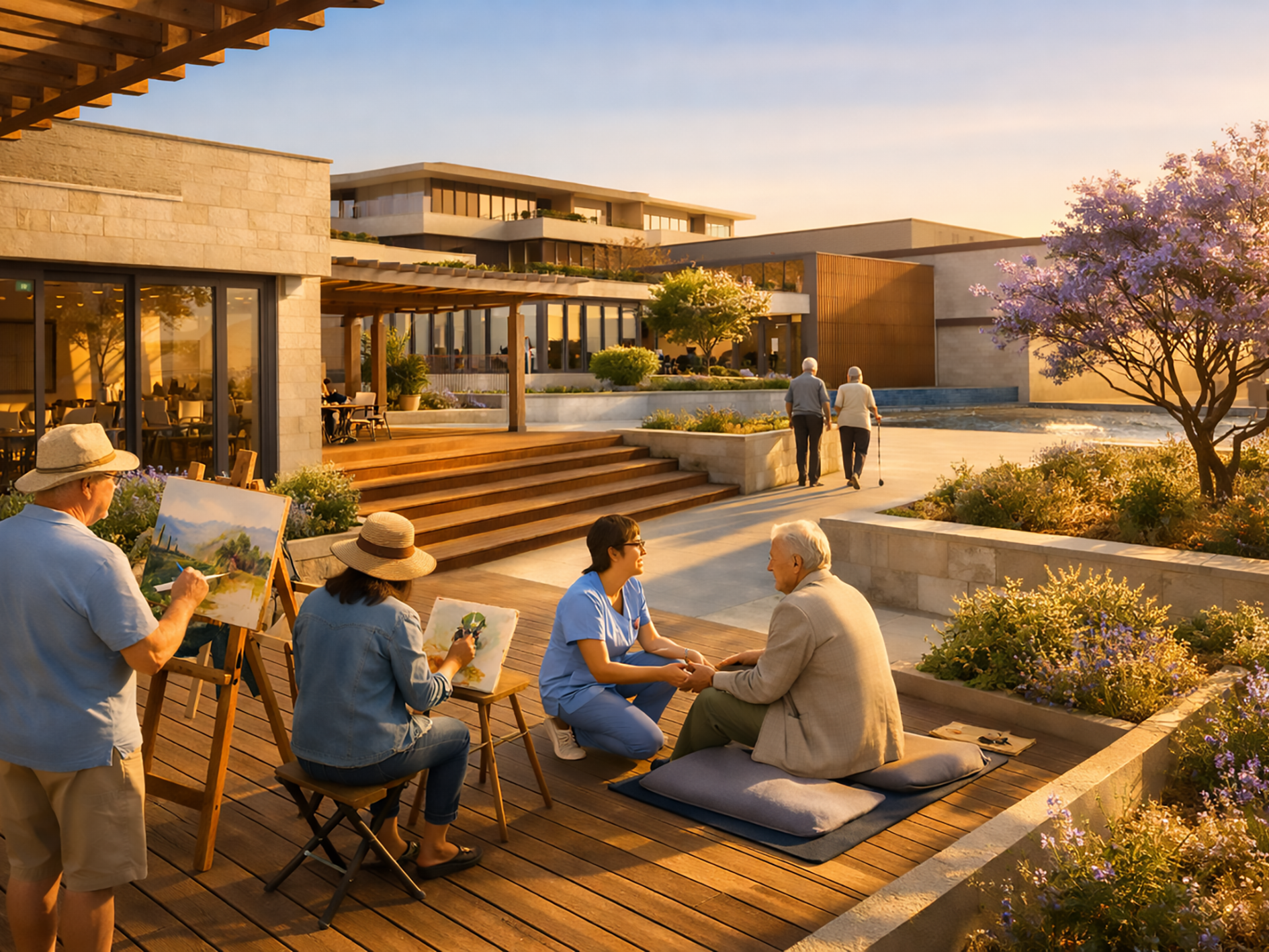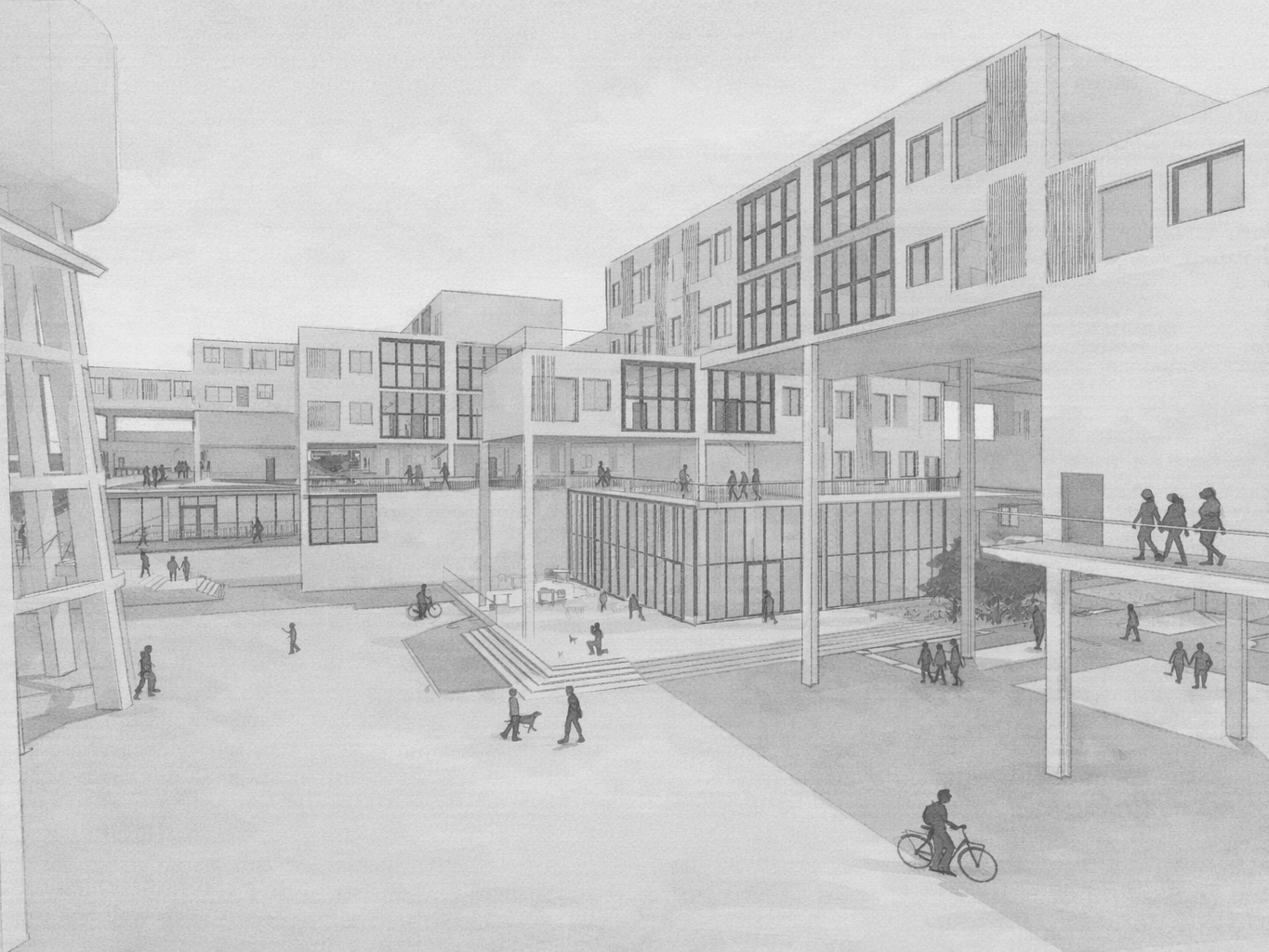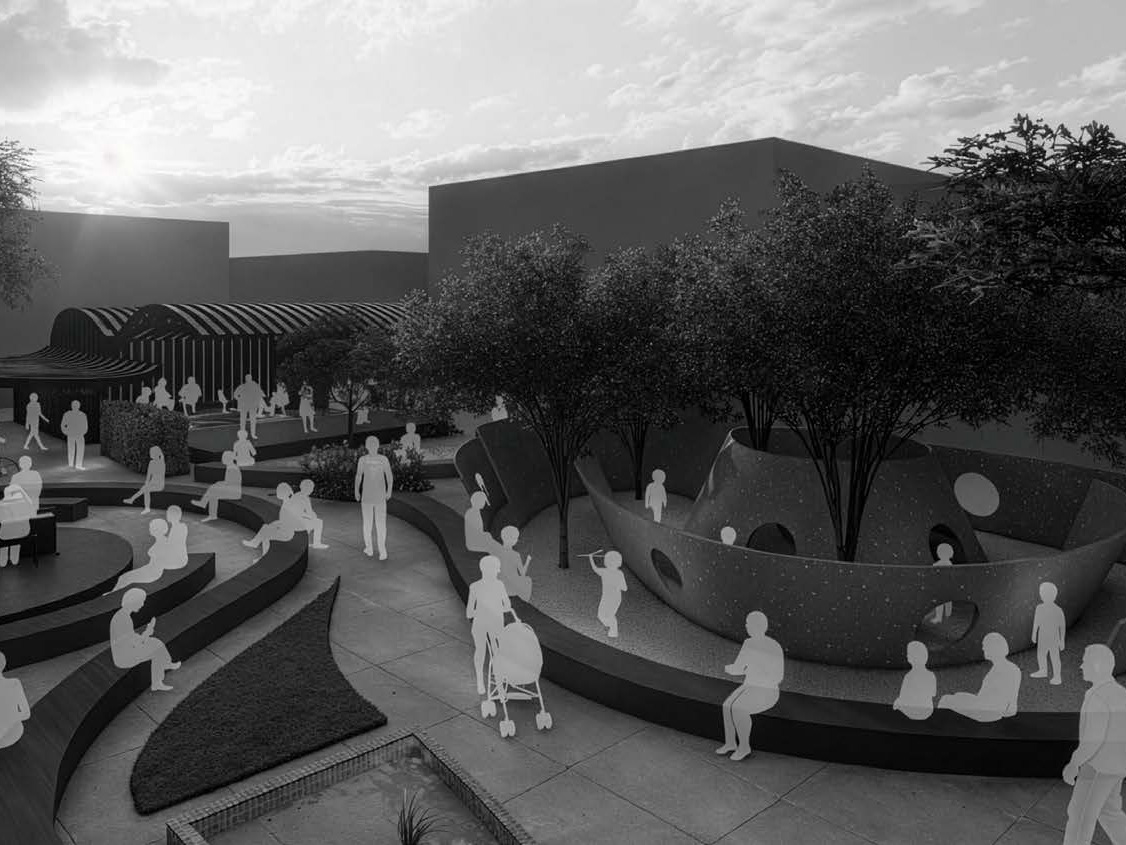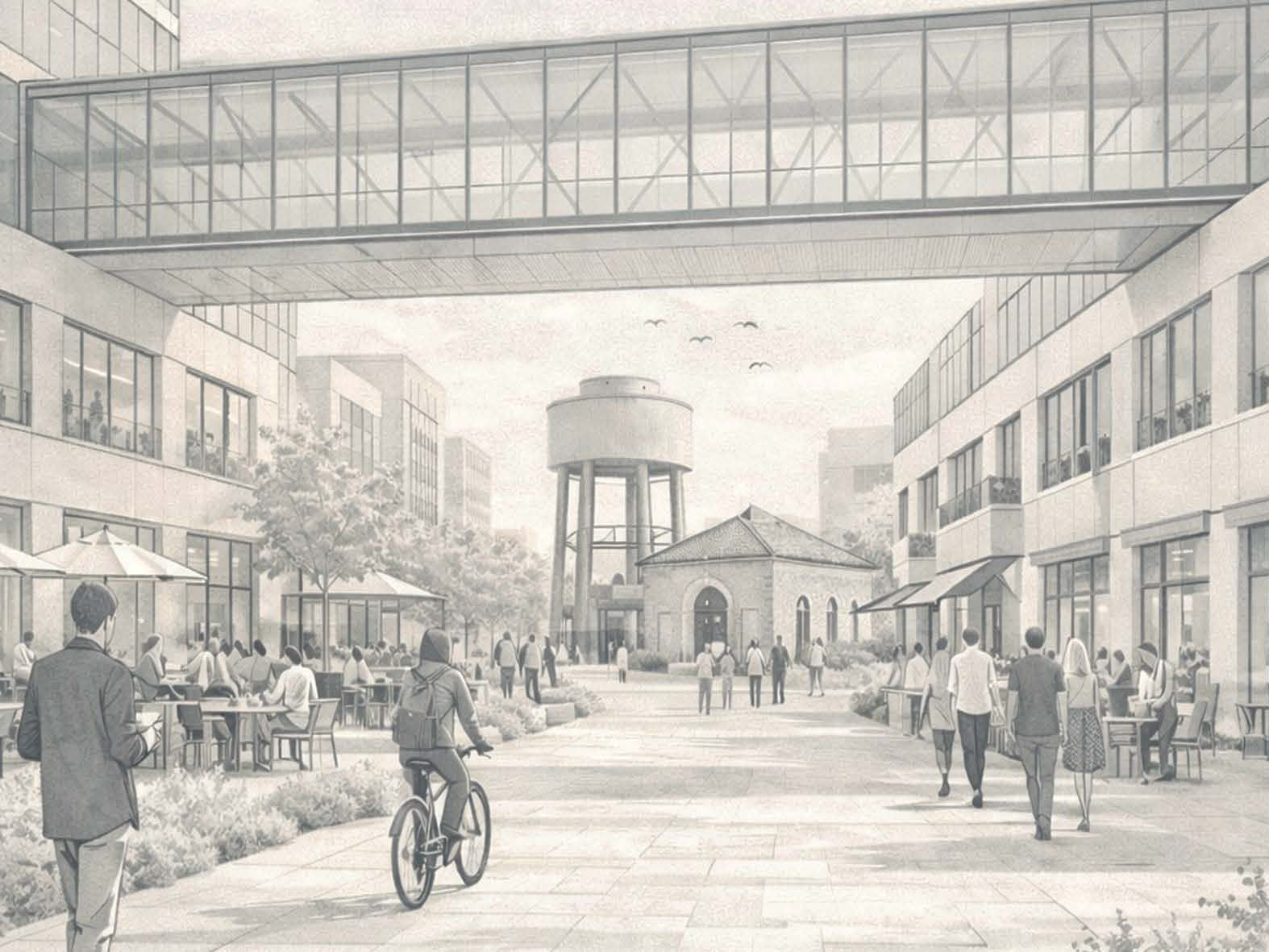
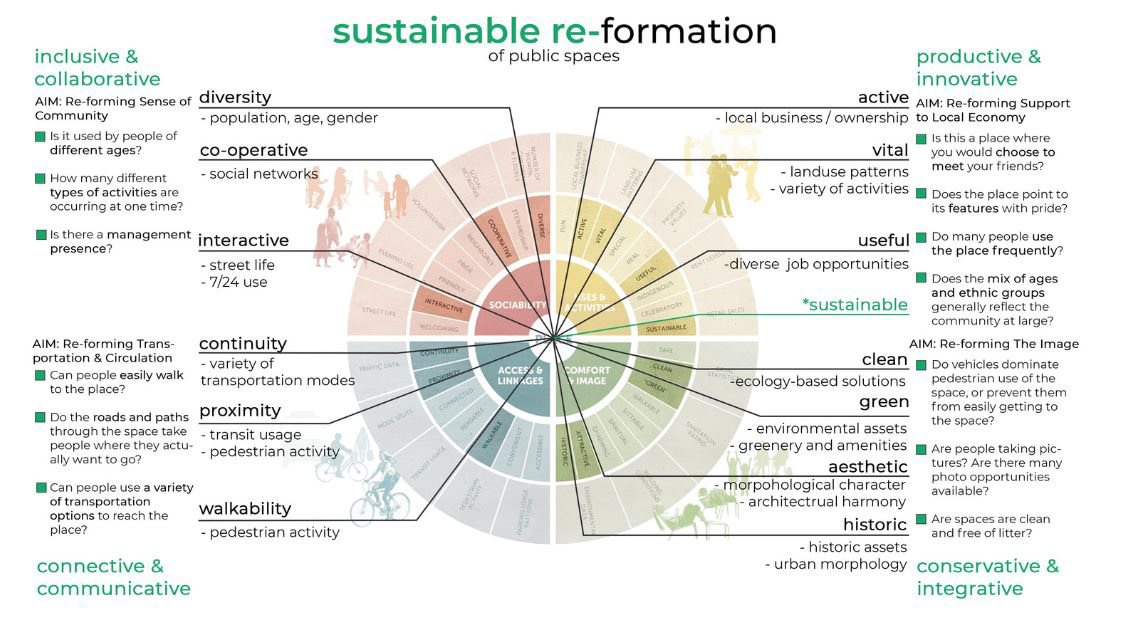
In the context of sustainable green urbanism, this study examines the physical and social sustainability that is applied to public spaces in Göreme through the “re-formation” agent. Re-formation as a sustainable agent is reviewed regarding the applicability of eight different sub-agents and principles as a design approach, grouped in two as inclusive and collaborative, productive and innovative, connective and communicative, and conservative and integrative, based on the principles of managing existing resources.
“Re-Formatıon” as an Agent
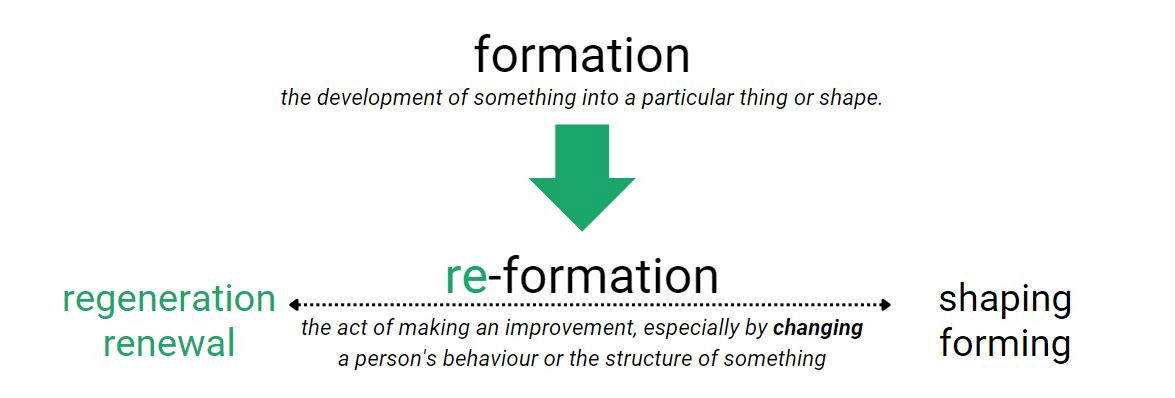
Re-formation in this study refers to the transformation process for a more sustainable and resilient one, focusing on reducing environmental impact and promoting social equity. The term comes from ‘formation’ in shaping and forming to develop. Regarding renewals and regeneration, reformation as a term targets the act of improving, especially by changing. Re-formation as a primary agent aims to re-think and re-design public spaces better to meet the needs of current and future generations. This approach seeks to balance economic, social, and environmental considerations to ensure that regeneration initiatives not only improve the physical appearance of the study area but also enhance the quality of life for residents, support economic growth, and promote environmental sustainability. To underline the driving force for sustainability starts on small scales, even habits. Considering multi-scalar thinking, the need for change must be transformative. That is why “re-formation” could become a sustainable agent, including strengthening sociological resilience and creating a self-sufficient society, preserving the existing values of the environment.
Key Concepts of Re-Formatıon
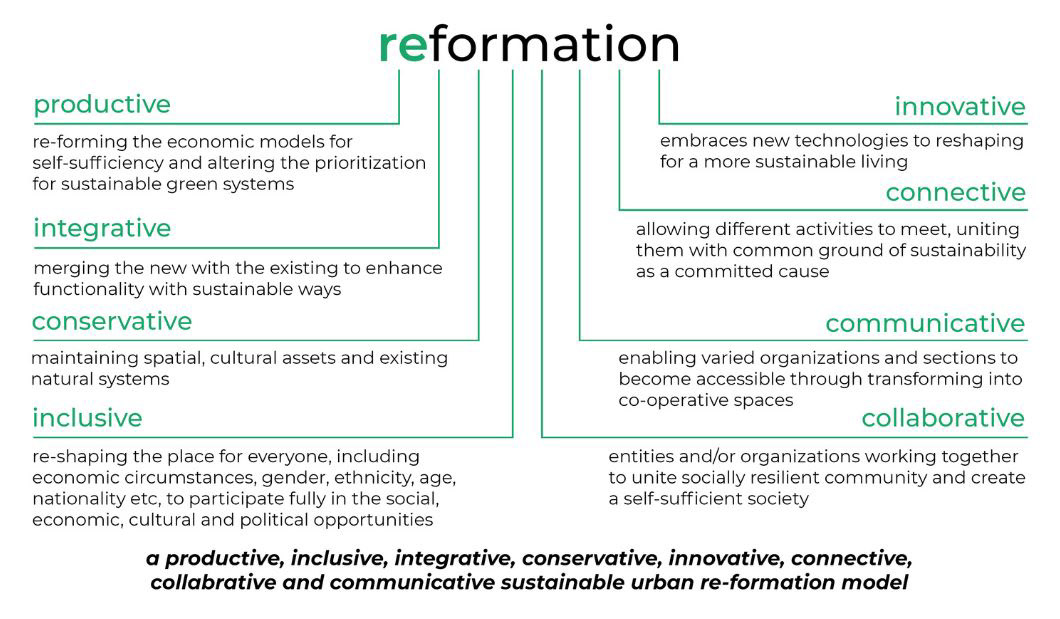
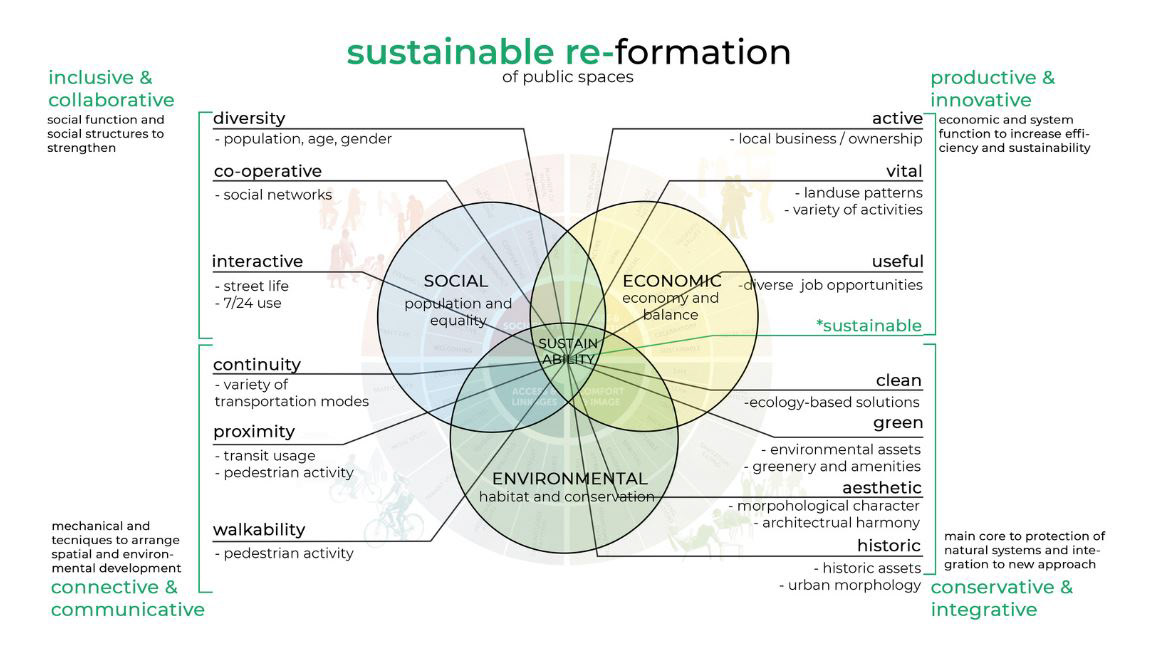
The keywords of the four-category diagram are chosen as sub-agents with new re-definitions.
Inclusive & Collaborative
Inclusivity re-shapes the place for everyone, including economic circumstances, gender, ethnicity, disability, age, identity, nationality, to participate fully in the social, economic, cultural and political opinion, as measurements including all groups. Collaborative refers to entities and organizations working together to unite a socially resilient community. Collaboration between stakeholders, including city officials, developers, community groups, and residents, can create a socially resilient community. This sub-agent is supported by; cooperation which is the tool for community unity. Public participation is important to generate cooperation between people.
Productive & Innovative
Productive means many aspects of becoming self-reliant communities. Similarly, collaborativeness suggests that from togetherness, productivity can improve within the tourism, agriculture, and culture sectors. More sectors can also be added to re-forming the economic models for sustainable development. However, for the sake of this study, self-sufficiency and sustainable green systems are prioritized. This approach also involves using innovative technologies and design strategies, such as green infrastructure, energy-efficient buildings, and sustainable transportation, to minimize the impact of urban development on the environment and promote sustainable urban living. So that embracing new technologies can reshape for a more sustainable living.
Conservative & Integrative
Conservative approach can refer to maintaining spatial, cultural, and historical assets and existing natural systems. It is a crucial part of considering the environmental impacts and the values that cities already have. It may be questioned that the opposition to re-forming. However, within the concept of integration as a supportive sub-agent, the main goal is to merge the new design approaches with the existing ones to enhance functionality, quality, and the image of the study area in sustainable ways.
Connective & Communicative
Connective sub-agent allows different activities to meet, uniting them with the common ground of sustainability as a committed cause. Also, aims to reform transportation and circulation are an important part of the study. In addition, communication enables various organizations and sections to become accessible by transforming into collaborative spaces. A successful public space is easy to get to and get through; it is visible from a distance and up close. That is why the continuity of transportation modes gives a chance to get to a place easily by both locals and others.
Problems & Potentıals
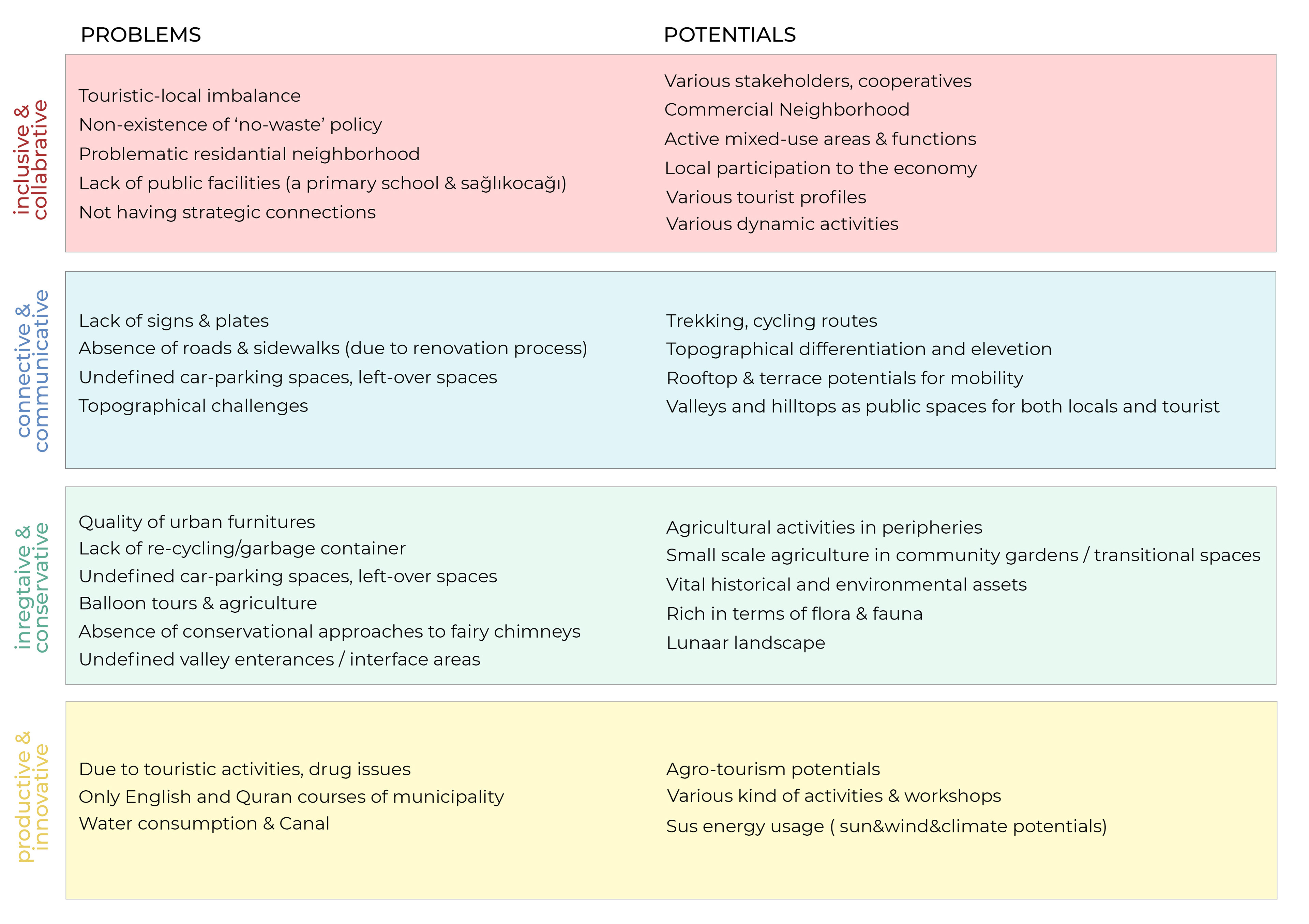
Following an extensive review of literature and on-site research, a comprehensive assessment of Göreme’s challenges and potentials has been conducted. These findings have been systematically categorized across different scales, as delineated in the accompanying matrix. This categorization reveals the following observations: At the macro scale, noteworthy issues encompass a lack of strategic connectivity within the region, deficiencies in public transportation infrastructure, a pervasive reliance on private vehicles, haphazard exploitation of fertile agricultural lands for tourism purposes, the adverse impact of balloon tourism on the region’s natural topographic heritage, and a lack of cohesive linkage between substantial public spaces such as valleys and national parks.On the contrary, Göreme and its environs exhibit diverse character areas replete with distinctive topographic elements. These collectively constitute a salient geomorphological framework that augments the region’s tourism appeal. Zooming in to the mesoscale, the simultaneous commencement of citywide renovation initiatives has rendered the urban center akin to a vast construction site, adversely affecting both the tourism sector and the daily lives of inhabitants.
Furthermore, challenges manifest on this scale involve the disconnection between constituent parts and the whole, indistinct delineation of public spaces, green areas, valley entrances, and interface spaces, a rudimentary transportation and circulation network, and limited citizen participation in urban governance. Conversely, notable advantages at the mesoscale include the multifaceted utility of designated areas, the coexistence of diverse land uses, the persistence of agricultural activities, and the perpetuation of the city’s vibrant 24/7 atmosphere, characterized by the hosting of a plethora of diverse events. Lastly, a microscale assessment reveals a litany of challenges, including the proliferation of undefined plots, the erosion of the part-whole relationship, an excess of abandoned structures, inadequate integration of buildings with topographical features, degradation of fairy chimneys, a dearth of directional signage and informational boards, and an overpopulation of stray animals. On the flip side, the microscale presents opportunities characterized by the presence of diverse character zones, harmonious architectural integration with the natural environment, the potential for blue-green infrastructure, opportunities for innovative transportation modes, and the existence of exemplary signage designed with aesthetic considerations tailored to Göreme’s unique lunaar landscape.
Strategy of the Sustaınable Re-formatıon
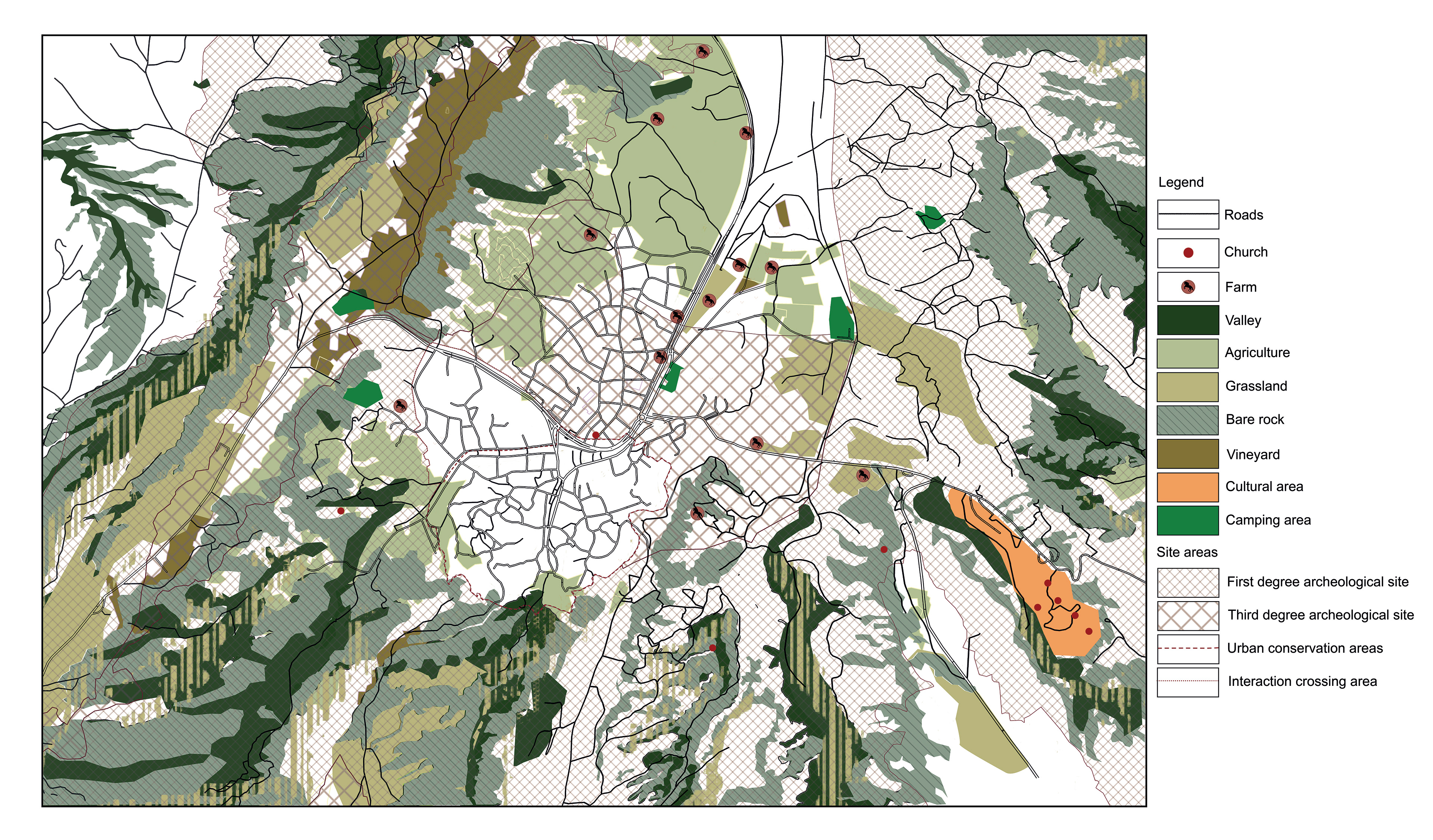
With Re-formation sub-agents, Göreme’s Public spaces were re-defined to categorize their potentials including aspects like spatial morphology, public space criteria, character areas, walkability range and mobility, and quality of assets after collected data on the trip. In addition to that; landuse of the area overlapped with observations in site visit to determine character areas through buffers and limits of the used areas. Buffer of use were generalized by the dominant uses of the spaces such as; hotel and accommodations, commercial and residentials mostly. The main axis of the green continuity was observed and determined as a potential approach connecting with the outer green wedges of the study area. The charter areas were aimed to connect with Valleys of Güvercinlik, Aşk, İçeridere, Zemi, Kılıçlar and Göreme Open Air Museum to ensure “spatial connection” which complemented sub-agents of the re-formation agent. As the characterization of the locale implies, the delineation of usage boundaries and constraints has been predominantly shaped by the dominant functions of the spaces, primarily encompassing hotels, accommodations, and commercial and residential properties. The primary axis of the green continuity has been meticulously assessed and identified as a prospective avenue for linking with the outermost green zones within the study area. An exhaustive examination of the prevailing circumstances has been undertaken across various sections, each addressing distinct facets.
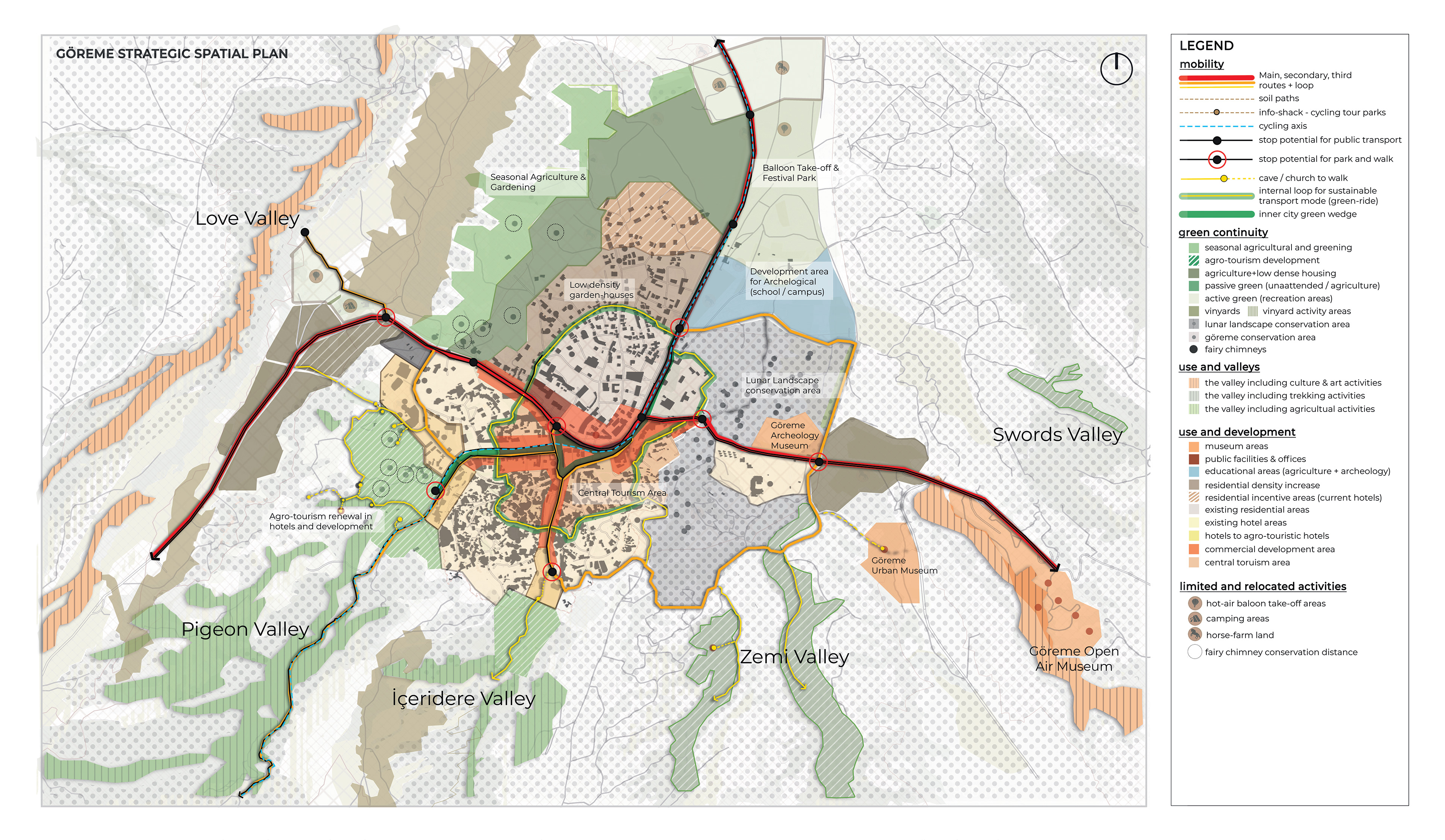
Commencing with the assessment of the mobility network, it is categorized into primary, secondary, and tertiary degrees. Additionally, there are provisions for designated soil paths, motivated by sustainability concerns. In the context of sustainable transportation modalities, the proposal advocates for the implementation of an e-tram bus system (nostalgic tram) to circumvent any excavation that may pose a threat to the iconic fairy chimneys. Concurrently, there is a strong emphasis on fostering a pedestrian-oriented development. To this end, a low emission zone (LEZ) has been delineated to curtail carbon emissions within the central precinct of Göreme. Furthermore, the blueprint entails the establishment of bicycle lanes, improved pedestrian walkways, and dedicated e-tram lanes. Another pivotal aspect involves the concept of green continuity, akin to a verdant belt encircling the LEZ areas in a gradual fashion. A noteworthy strategic decision centers on the utilization of valleys, which are regarded as a novel opportunity for the creation of public spaces, in accordance with the recommendations set forth in the restructuring plan. Göreme’s public spaces aim to have a vision by enhancing its functionality, quality, mobility, and socia-bility. Economic self-sufficiency and productivity can emerge in public spaces by defining its uses with production and innovation. Also, adding a sustainable approach via water management can improve the main axis, such as in the Central Area with Canal and surrounding. Therefore, in the design coding process, these elements of the diagrams will guide through spatial quality integrated with social including 1/500 scale project areas. Thus social progress improve within micro-scale solutions, including no-waste policies for the area. Consequently, these sub-agents create a sustainable re-formation equation for Göreme and its public spaces.
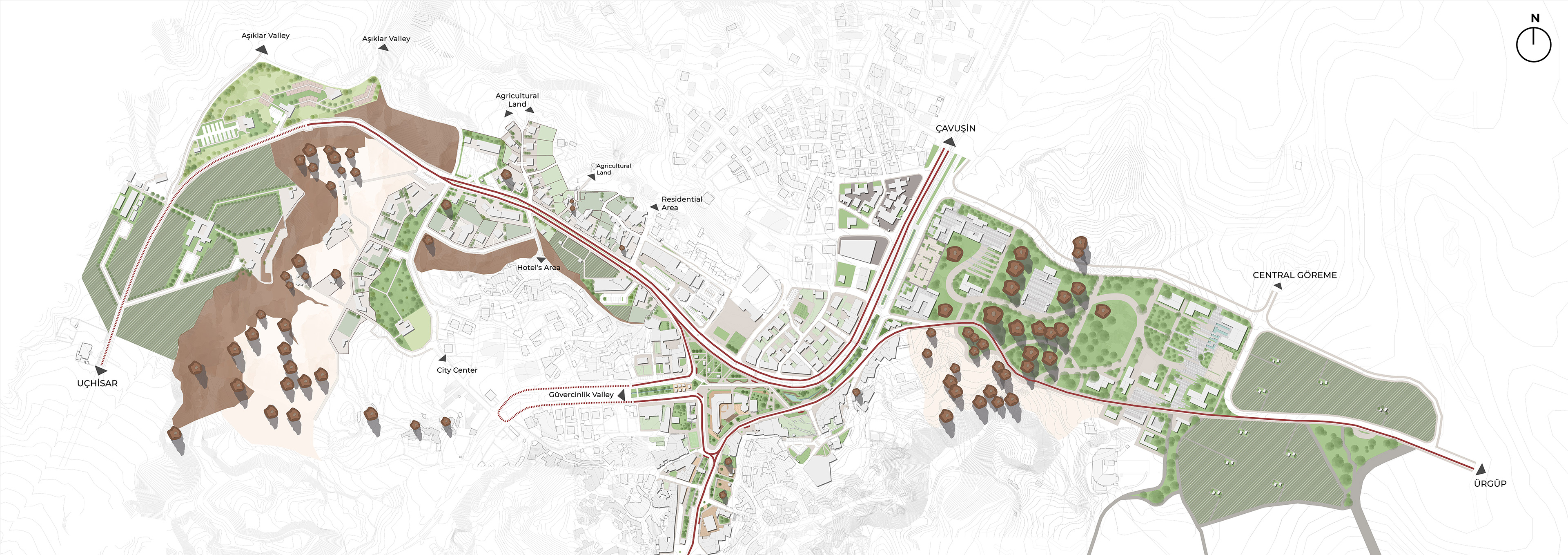
The Fundamental Desıgn Approach
When examining the entirety of Göreme, it becomes evi-dent that the region encompasses diverse character areas, encompassing both rural and urban attributes. Given the distinct requirements associated with these varying character areas, a delineation of sub-agent-based principal design approaches has been ascertained. To illustrate, an overarching strategy has been posited to promote the utilization of arable lands within rural zones, accentuating the pivotal role of agriculture in fostering an inclusive and collaborative ethos. In locales situated along the rural-urban interface, the overarching objective is to foster cohesion between local inhabitants and tourists through the bolstering of agro-tourism and museum-related activities. Additionally, for the sub-agent oriented towards productivity and innovation, a range of land-use proposals spanning commercial, agricultural, touristic, or hybrid typologies have been delineated, contingent upon the specific rural or urban character attributes of the area in question. In terms of the Connective and Communicative sub-agent, the core approach pertains to the provision of essential infrastructure such as bus stops, tramway lines, bicycle paths, and parks, aimed at enhancing connectivity and facilitating communication within the region.
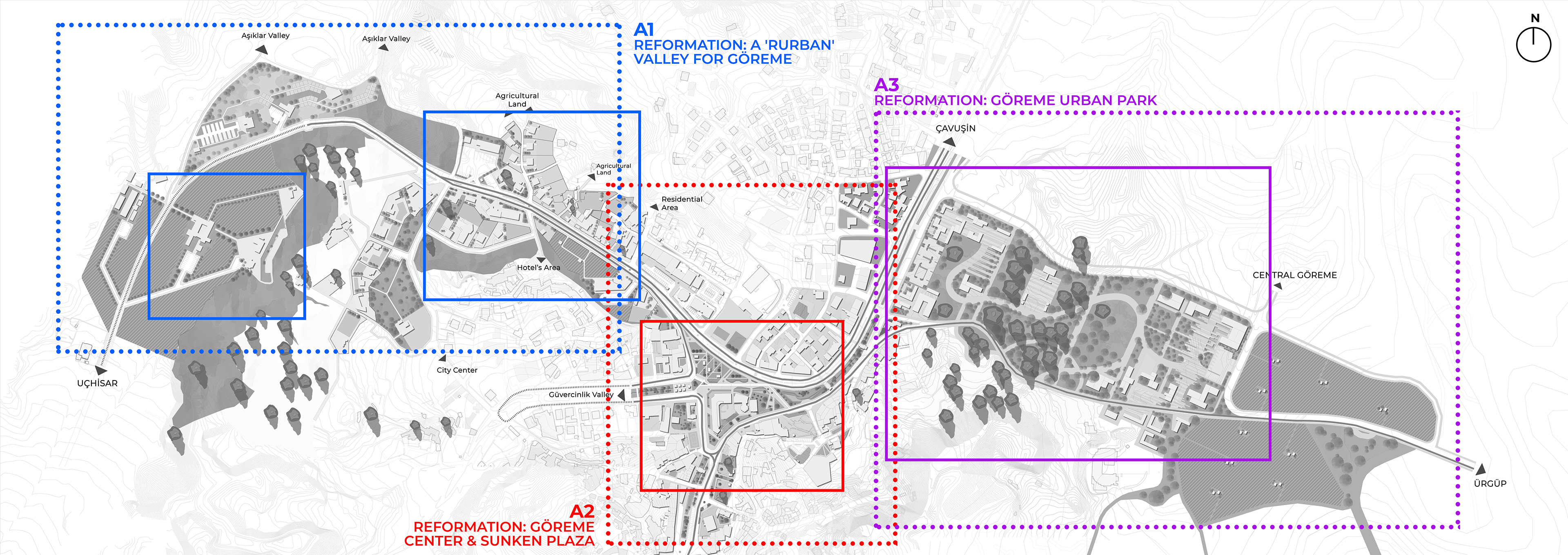
Re-formatıon Plan for Göreme
Reformation consists of three parts: Each project site has unity in itself, and when all the projects are combined, a design demeanor that aims to reform the “spine” of Göreme in a regenerative way emerges. Project areas follow each other continuously on a scale of 1000; on the 500 scale, the focus is on specific areas referred to as the “heart” of the projects. Accordingly, the first project area, coded as A1, “Reformation: A ‘Rurban’ Valley for Göreme”, was designed by City Planner Hülya Saçın; the second project area, coded as A2, “Reformation: Göreme Center & Sunken Plaza”, was designed by City Planner Cansu Canoler; lastly, the third project area, coded as A3, “Reformation: Göreme Urban Park”, was designed by Architect Batuhan Tanrıverdi. Three different projects are proposed within the harmonization that follows each other’s traces.
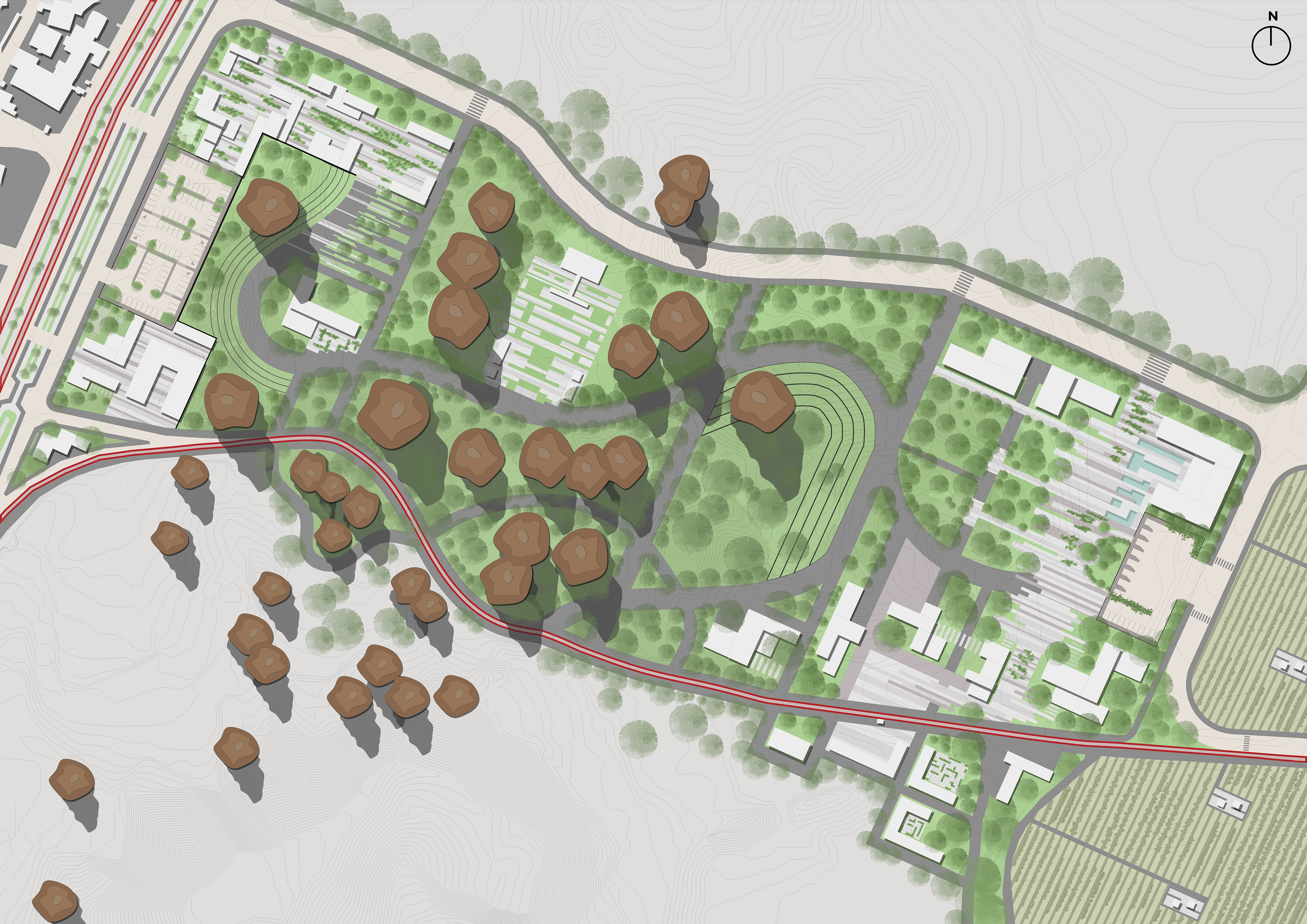
Reformatıon: Göreme Urban Park
The essentials that inspire the third and final part of the project is the Lunar Landscape, which is located around Museum Street, lying between the Göreme Open Air Museum and the Central Göreme, which can also be described as one of the most eye-catching areas of the Cappadocia region.
The design idea of the project, which aims to create a public space where this landscape generated naturally by fairy chimneys that are currently in disrepair, misused, or idle state, can be experienced as a “living place” since it can be imagined as a place where people can not only pass by but also spend time. In this park, natural beauties and green are transformed into a sustainable, experiential, and reproducible public space.
Göreme Urban Park is designed with an approach where architecture and urban design perspectives are intertwined based on this design idea; flexibility is provided for switching between scales. Reformative steps towards a regenerative environment have blended building configurations with green and earthy elements. Ultimately, the goal of “good design” has been achieved.
Although it has exceptional potential, the area where Göreme Urban Park will be projected is largely idle. The fairy chimneys were left in disrepair and unprotected; therefore, it is a priority to show a sustainable attitude by improving them and protecting them as a natural heritage. The project’s main objective is to reveal the natural potential in a controlled and sustainable way; it is to realize and emphasize this by reforming what exists. The first step is maintaining and improving some parts of the topography that remain wild for publicity to tame the land.
Göreme Urban Park contains a series of open, closed, and semi-open public spaces around a spine connecting the open-air museum and the central Göreme. These spaces are also available for temporary and permanent reform so that every semi-open or closed public space, except commercial spaces, has more than one function. This gives a vital place to technical and spatial sustainability and social sustainability in tactical context. The multi-scale architectural and urban design approaches shaped around the central idea are balanced with various codes to derive place-specific and time-flexible spatialities while bringing together different user profiles to provide a solid and robust urban park experience.
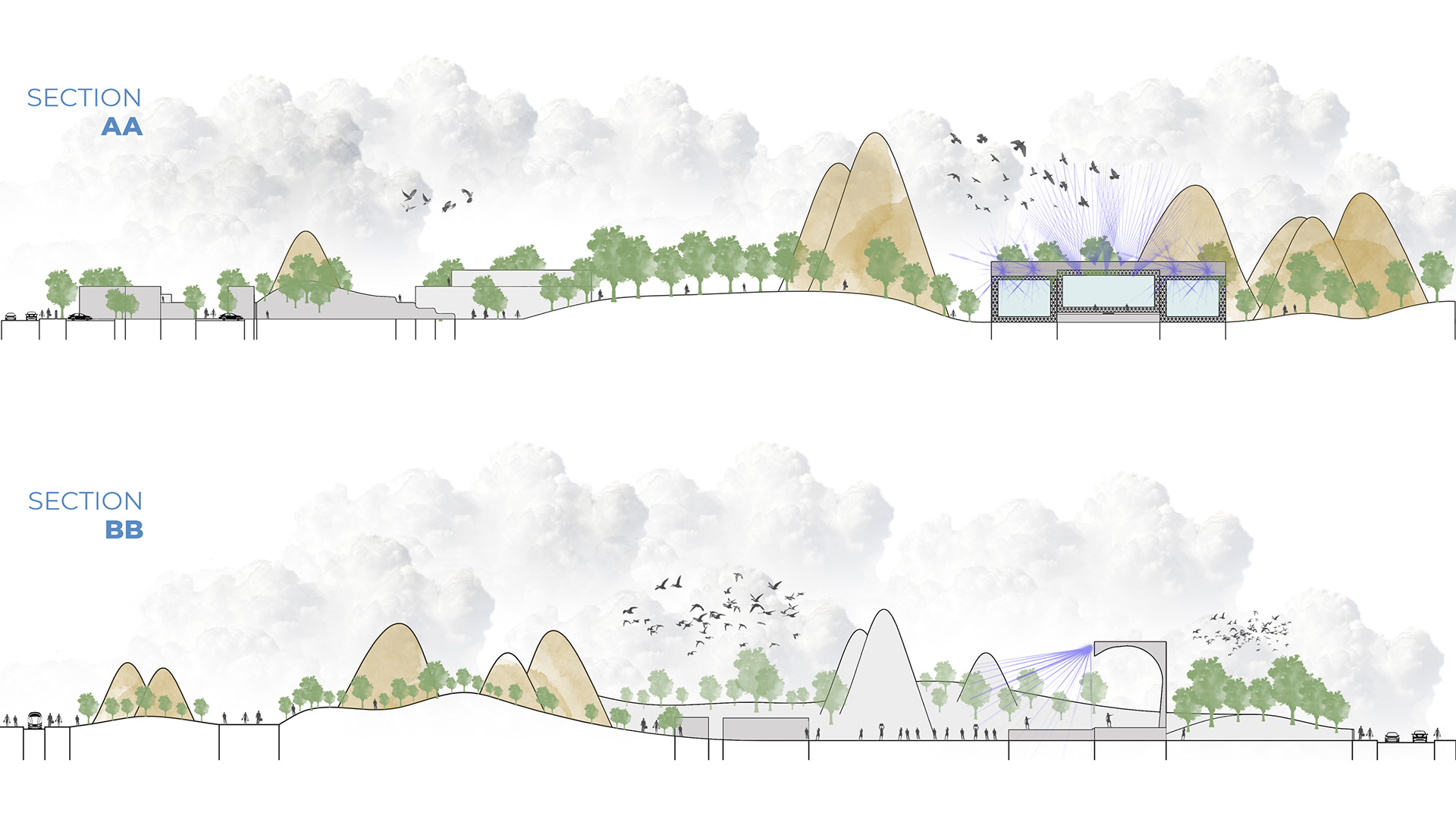
DESIGN VIsIon for Göreme Urban Park
Urban design transforms site-specific and time-flexible approaches by adjusting to the new cultural, social, political, and technological development codes. The identity of a place is reformed functionally, descriptively, and regenera-tively in the spatiotemporal context; therefore, sustainability must be addressed not only from technical aspects but also from socio-political, socio-cultural, and socio-spatial aspects and to strengthen it with a mutually catalyzing strategy from the scales of urbanism and architecture.
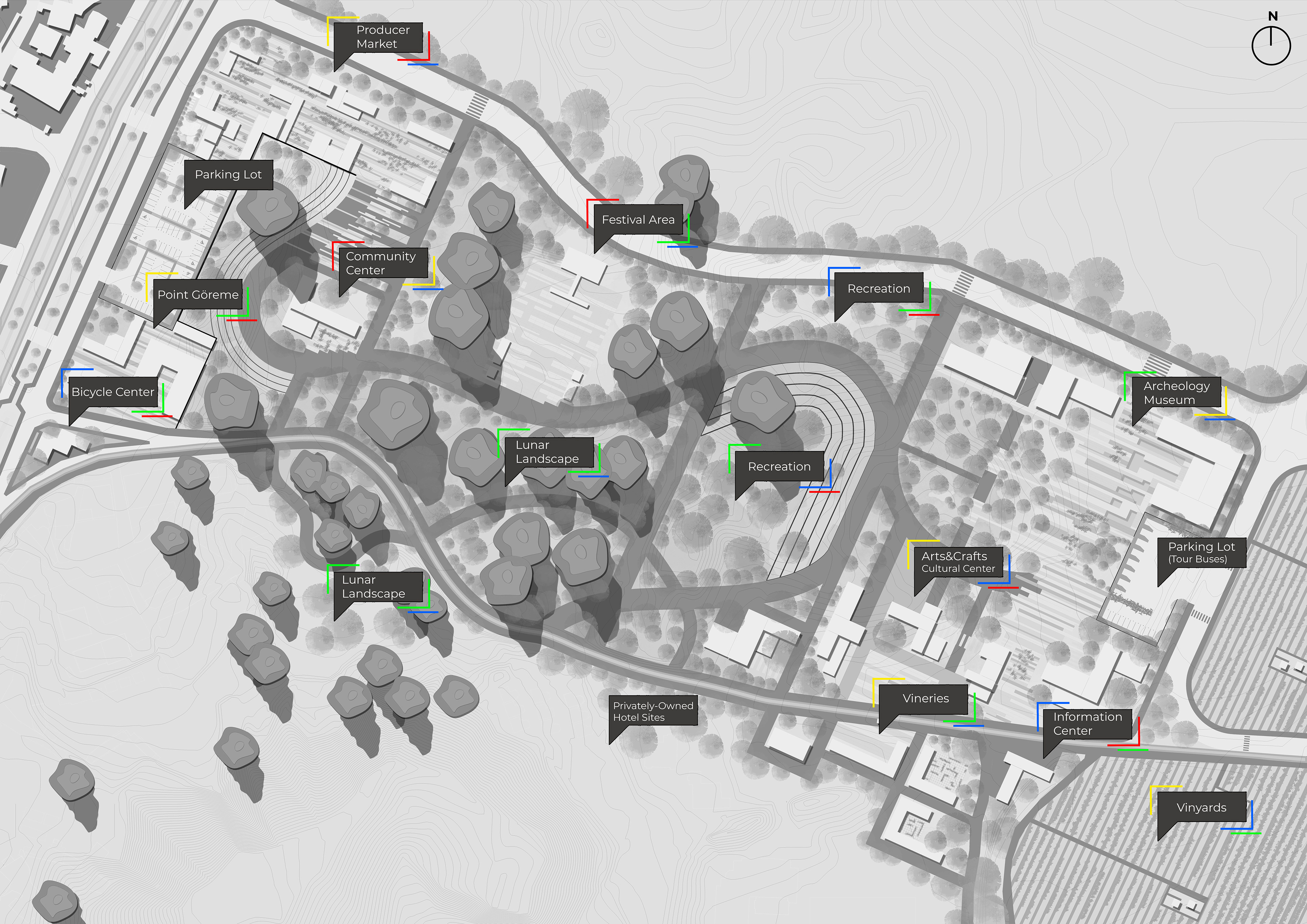
When Göreme Urban Park is considered with this vision, a series of design codes have been developed for sustainable urbanism and architecture to exist inside or outside buildings as well as in green spaces and social, cultural, and political contexts. Firstly, a 3-meter approaching-limit are determined to protect the fairy chimneys on the site. To sustain them, a limitation band that will not interrupt visual communication has been considered. This rule not only preserves the natural beauty but also makes the memory of the place sustainable. Additionally, all motor vehicles entering Göreme Urban Park is forbidden. Vehicles with a high carbon footprint, such as cars, buses, and motorcycles, should be left in the recommended parking lots to the east and west of the park, and continuing in the park on foot or by bicycle is encouraged.
The building stock on the land where Göreme Urban Park is located is limited and not open to public use, a controlled configuration is foreseen. Thusly, the harmony of green with solid-void scenarios and rigid public imagination has been approached simultaneously with architectural and urban scales. The buildings determined the main lines that guided the design as they moved from the architectural scale to the urban scale. Fairy chimneys and topography also critically affected the functions and positions of structures. Moreover, codes for surface relations have also been constructed in addition to volumetric principles. For example, the fact that the floor lines are different colors and materials is a critical element that guides the users and adds dynamic depth.
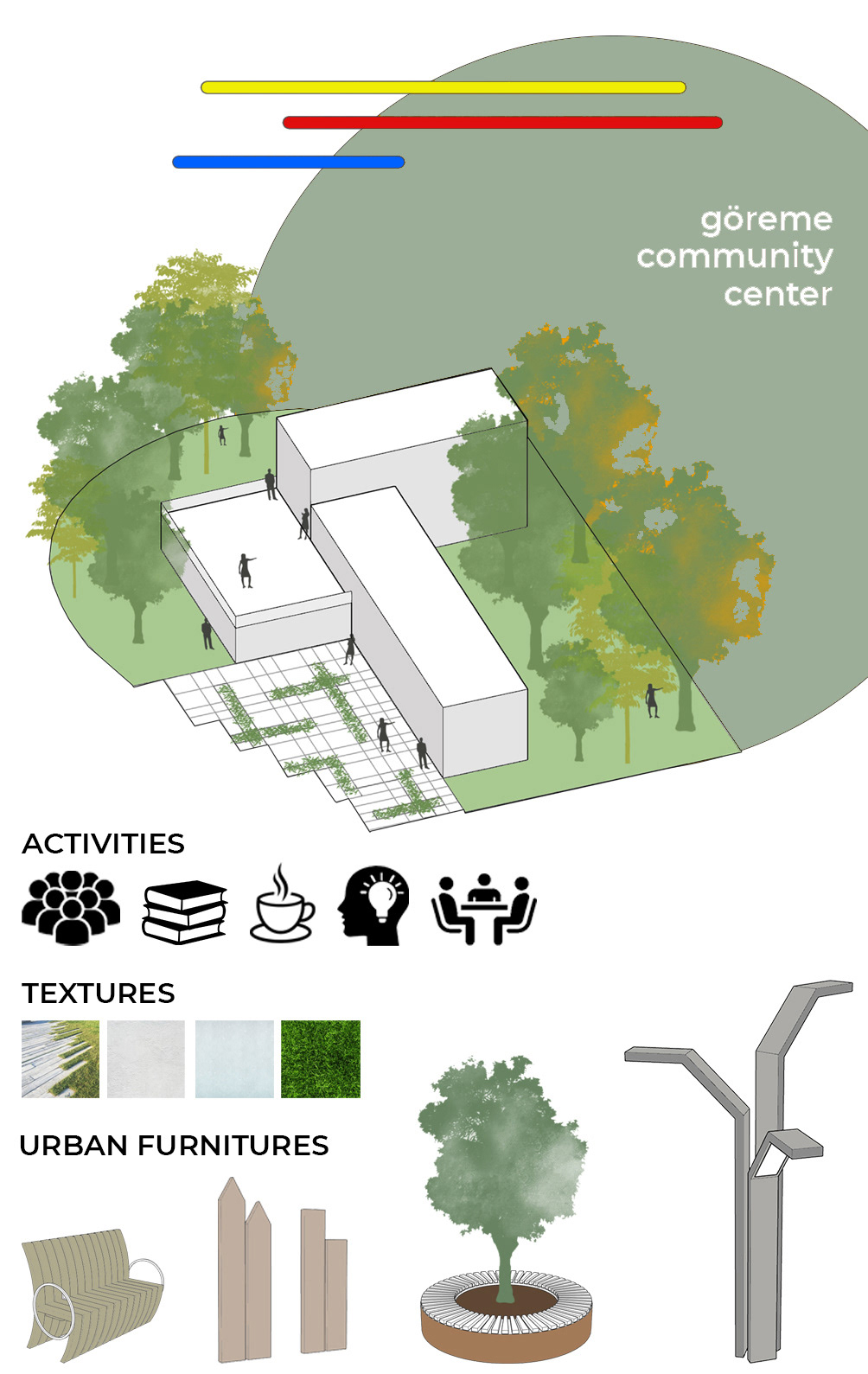
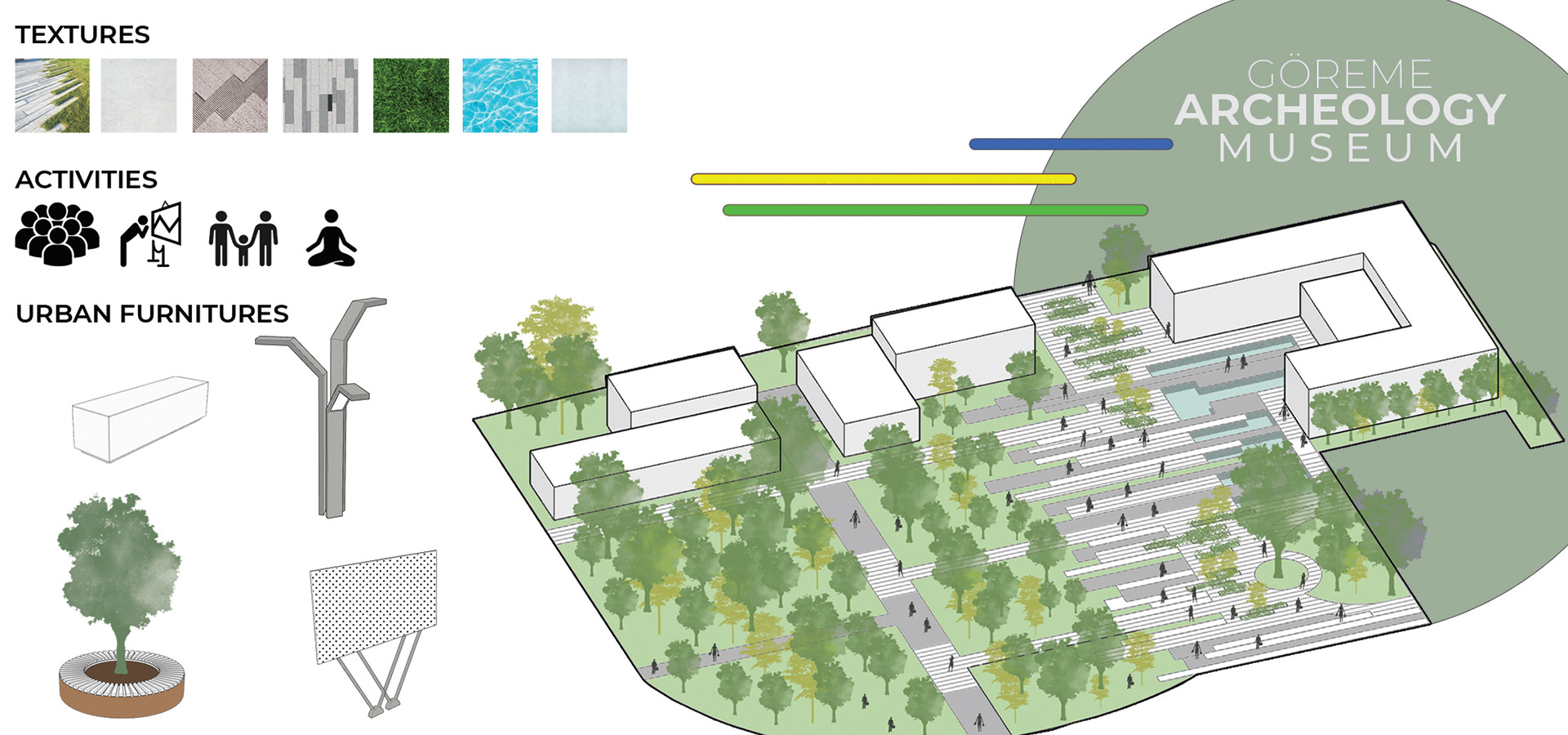
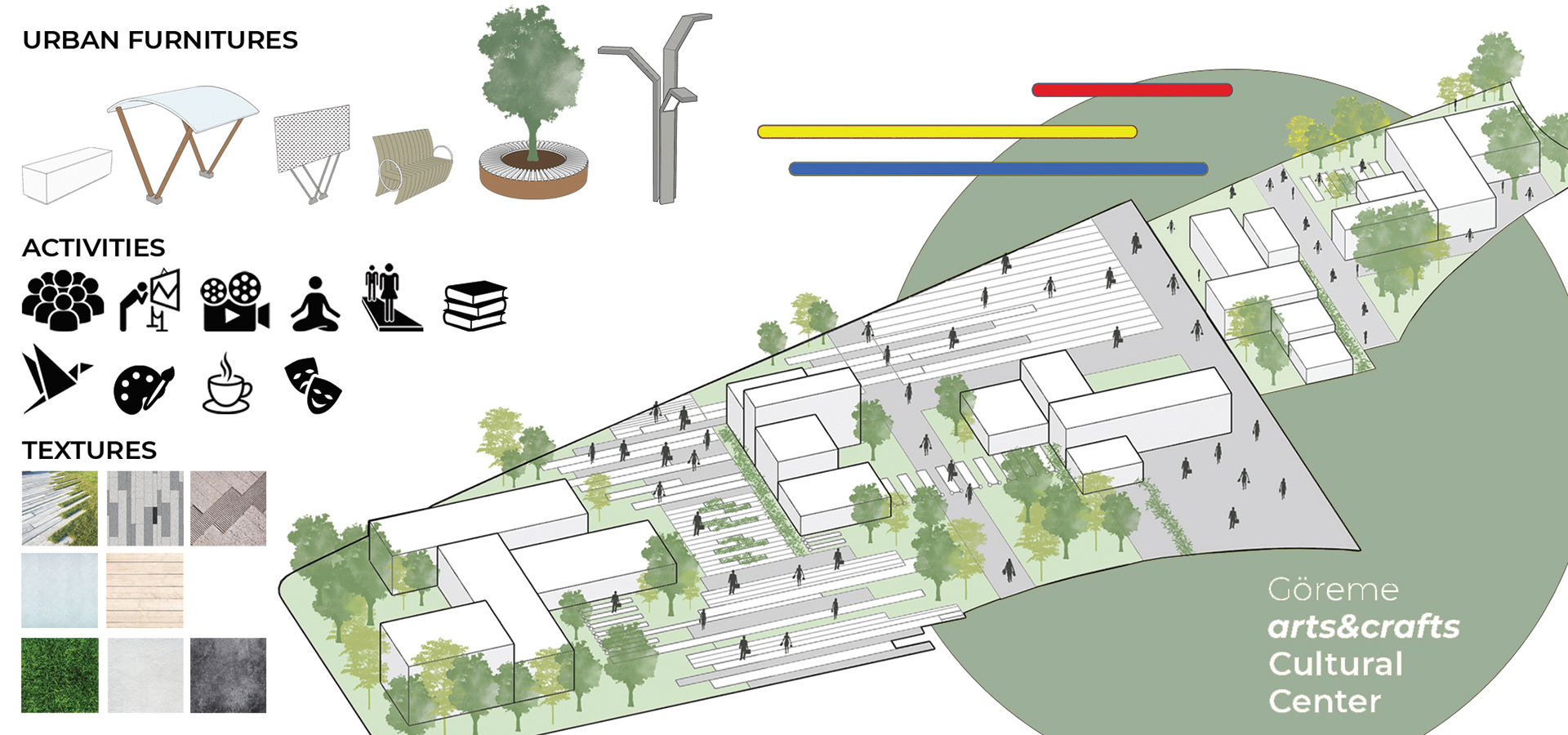
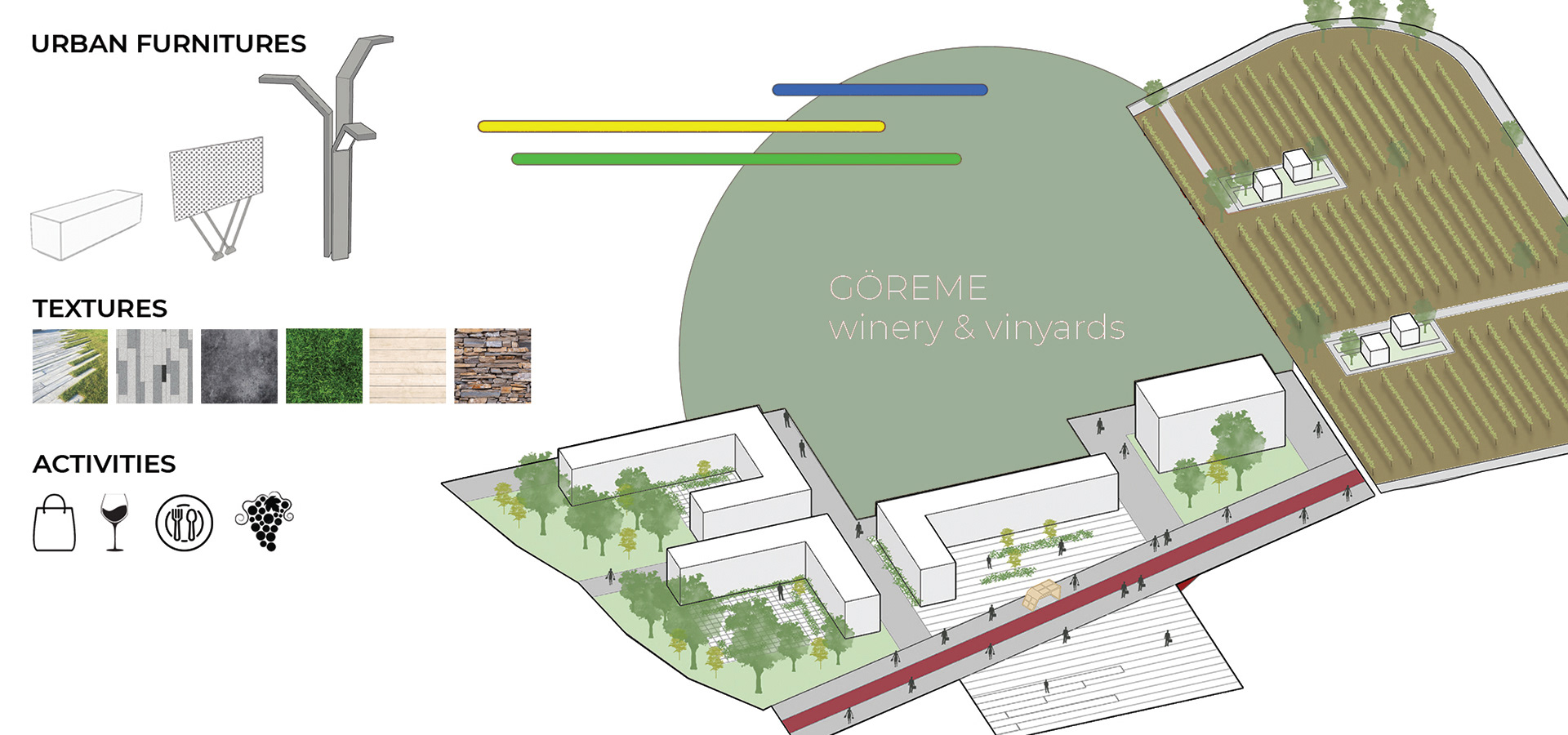
Starting from the current sustainability approach, lines and colors were used to encode each building and the whole of the networks to make socio-spatial and spatiotemporal decisions. Accordingly, the line colors explained which sub-agent the building or open space was associated with and how it was reformed, while the line length revealed which sub-agents were affected. The buildings, shaped by various intersection clusters, have a coding system with their activity facilities, material uses, and service to the urbanism scale. Therefore, all buildings are separate but must be treated concerning each other. While this method paves the way for cross-scale work, it also offers an alternative to the critical points at which the built environment and natural elements can meet and in which frameworks.
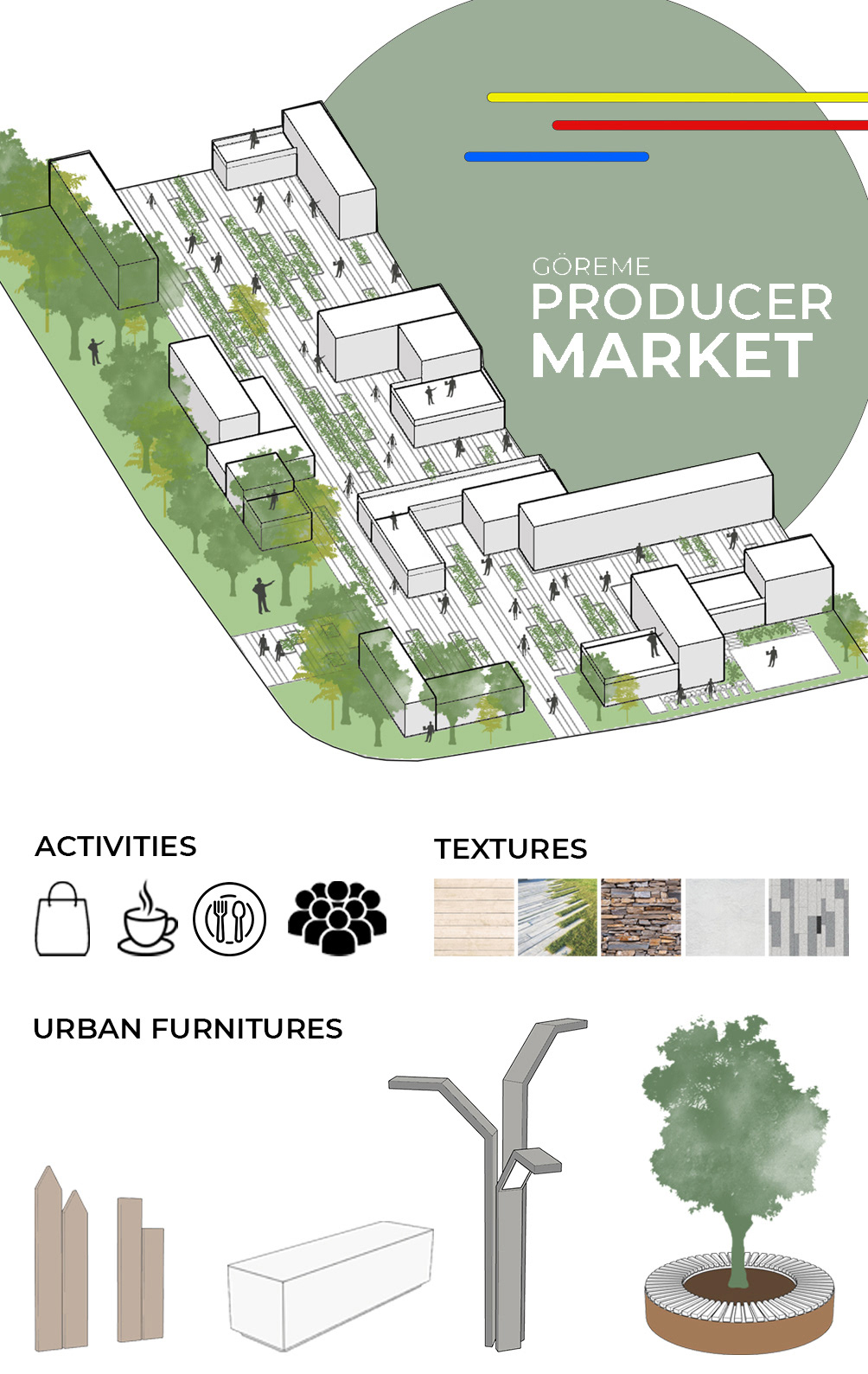
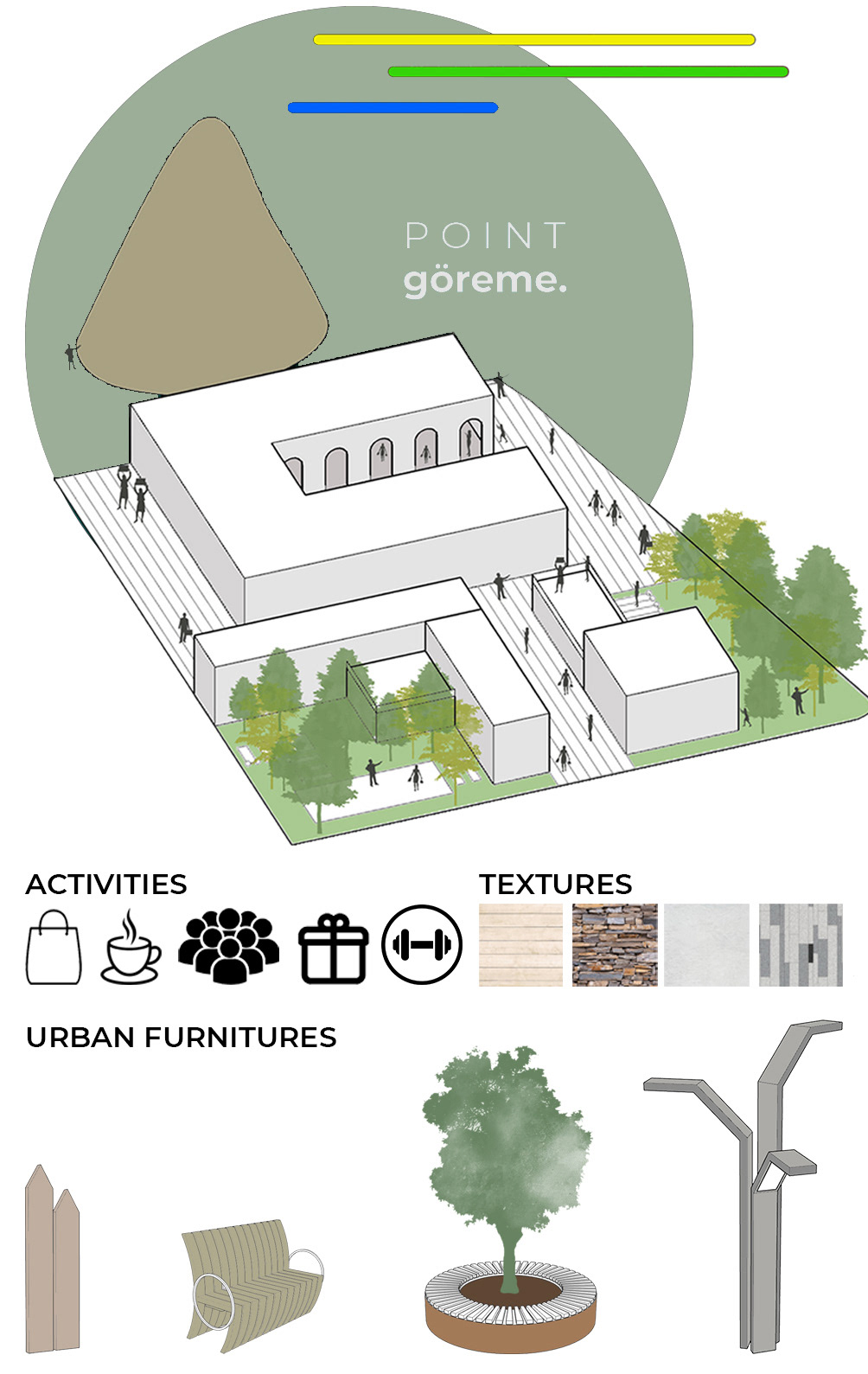
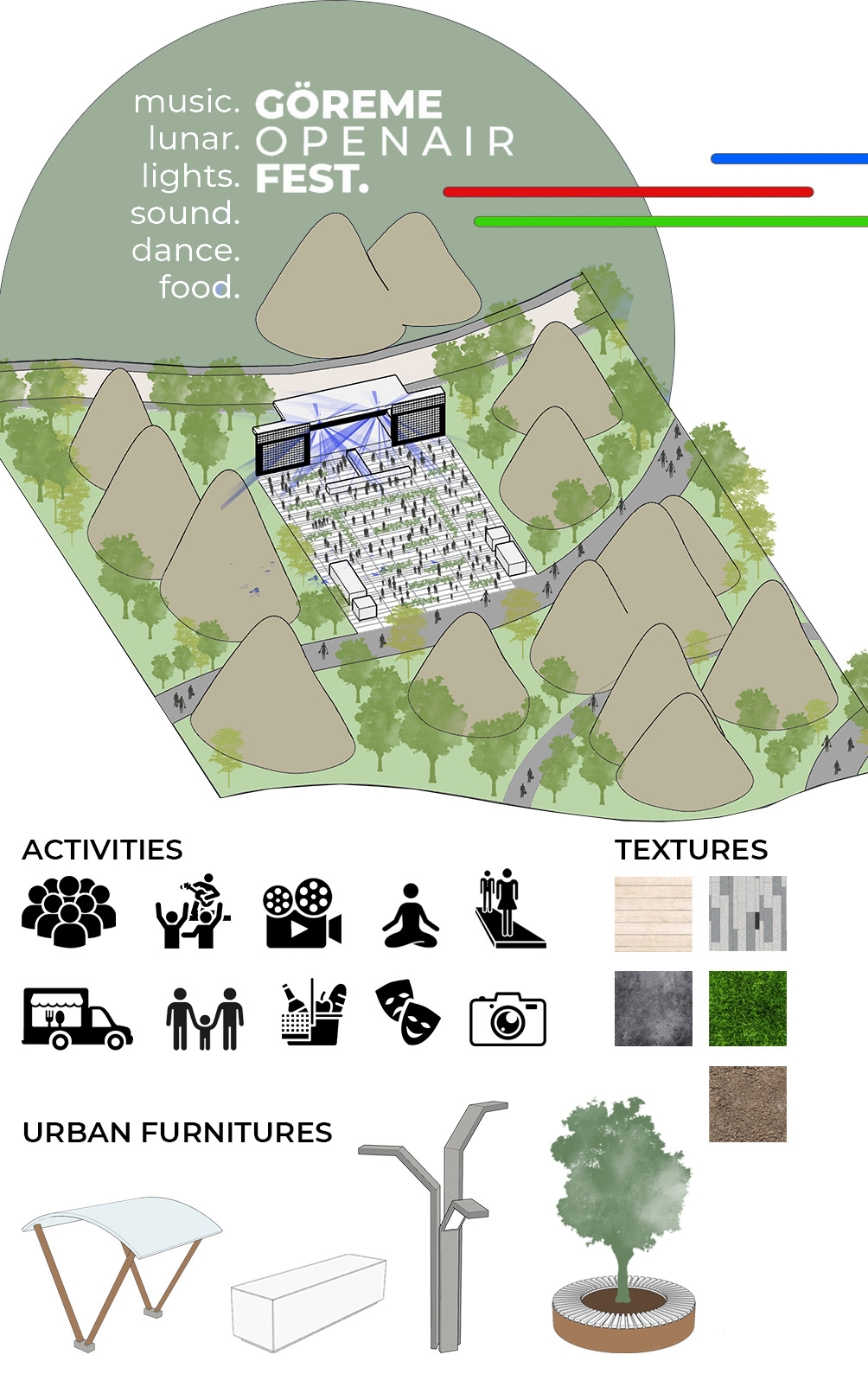
DesIgn CodIng
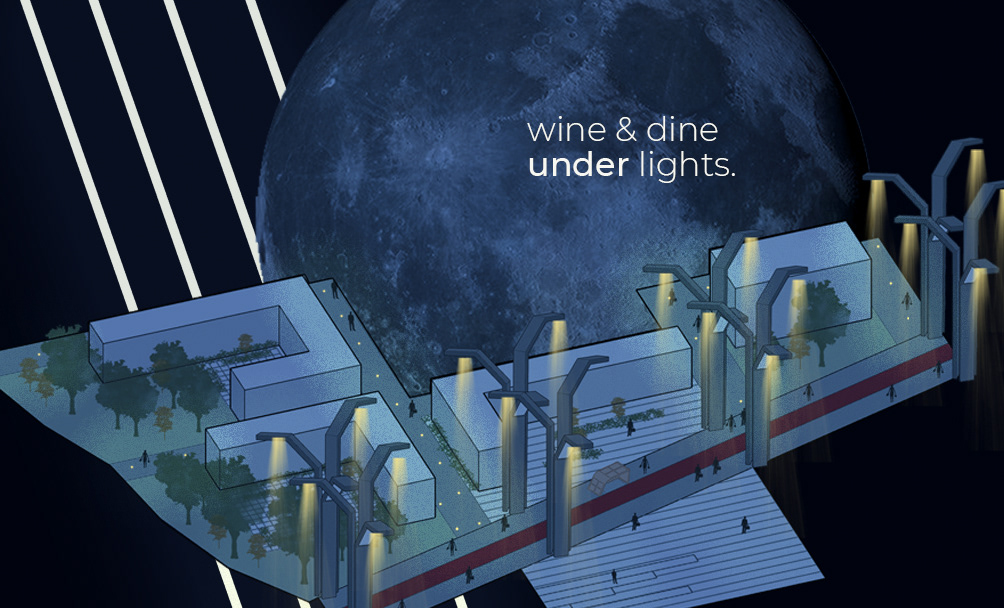
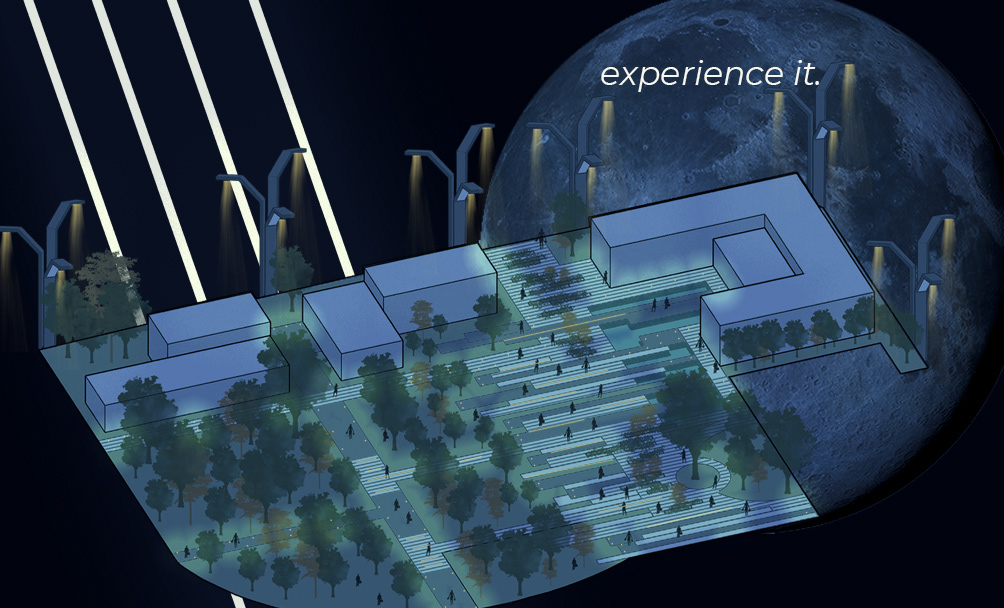
Experience design, when considered only instantaneously, tends to generate stable results in which the layers of design function merely as a static portrait rather than as a kinetic spatial mechanism. Within a spatiotemporal design process grounded in sustainability, however, lighting occupies a critical position in urban park design as it directly influences the continuity of use, perception of safety, and the experiential quality of public space across different temporal conditions. In the case of Göreme Urban Park, where existing site illumination is insufficient, lighting becomes a fundamental design element that enhances spatial mobility and aesthetic perception while enabling distinct temporal experiences. Beyond lighting strategies, the integration of diverse urban furniture typologies contributes significantly to the identity of the park. Rather than functioning solely as passive seating, these elements act as experieNtial interfaces that encourage interaction and engagement with the surrounding environment. The provision of flexible shared-use areas capable of accommodating a range of public activities further supports collective engagement and promotes social sustainability by enabling inclusive use and social interaction among diverse user groups.
Additionally, the differentiated use of materials across ground surfaces and built structures enhances both aesthetic coherence and functional performance within the urban context. Material variations help articulate movement paths, gathering zones, and transitional areas, improving spatial legibility and usability while maintaining ecological and contextual sensitivity.
Göreme Producers’ Market
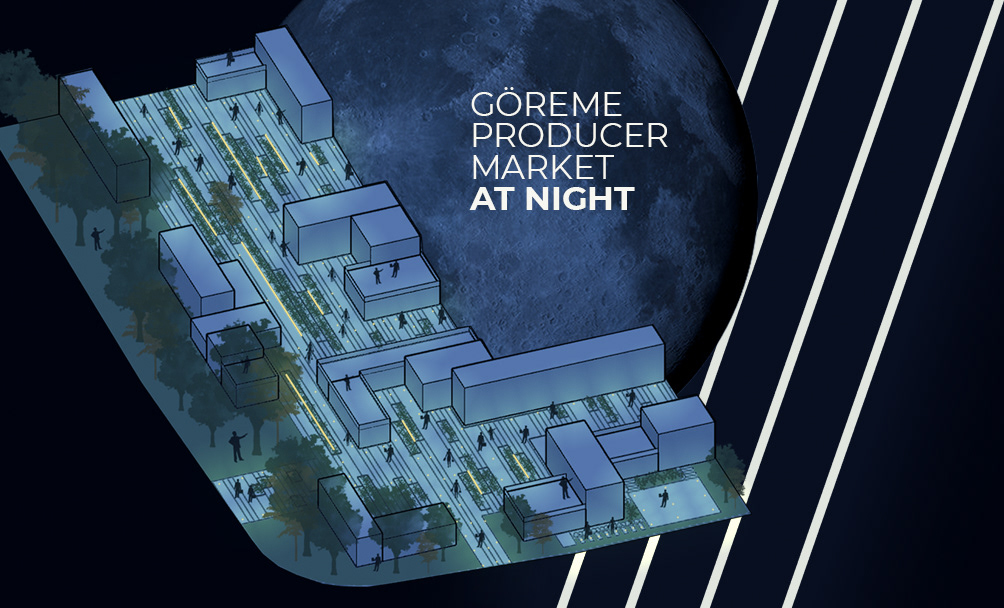
Göreme Producer Market is a critical point that carries users from Central Göreme to the Open-Air Museum. Various surfaces create a harmonic texture. Different possibilities of activities are mentioned in the shops and cafes on the ground floor, as well as in restaurants on the terraces. With a direct chain from producer to consumer, different groups of users come together here. Layers are highly absorbent for both day and night.
Point Göreme
Working interactively with the Producer Market and Community Center, Point is a unique public ground, albeit small-scale, with a commercial and social focus. The existing arched building has been preserved as it is, and the souvenir shop, café, and gym in this building have not been changed. In addition to this, a two-story structure was added, and a bar was built there. The surfaces are similar to those of the Producers Market.
Göreme Open Stage
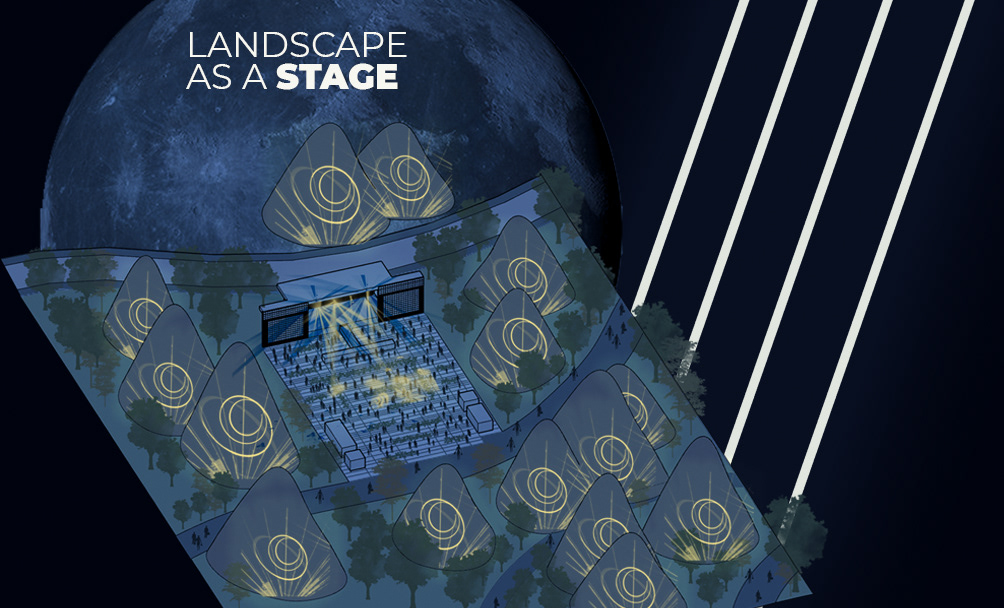
The project’s center and most striking focus is the Göreme Open Stage; hence, it is a starting point for reformations. The stage setting, located in a gated nook formed by the natural location of the fairy chimneys, forms the backbone of the sustainable reformation. Various ideas turn into actiVities here, and the place is an important point that develops the park and, indirectly, Göreme, regardless of day or night. Different groups of users can come together through various activities. For this reason, the spatiotemporal spectra of this space must be integrated into the design. Although the stage was built to be permanent, the platforms, load-bearing elements, screens, and other elements that make up the stage can be transformed and reformed according to various events and activities such as concerts, parties, performances, games, film screenings, and dance nights. The principles of site-specificity and time-flexibile approaches are stable and balanced here. In this unique space among the fairy chimneys, the floor design also serves quite an experience for this environment. To conform the participants of festivals, fairs, and special nights and to adapt to the event, urban furniture attached to the codes can be diversified and modified, thus providing flexibility and sustainability in design. Göreme Open Stage, where color, light, visuals, and music are intertwined, gives life to Göreme Urban Park.
Göreme Community Center
As one of the critical venues for social sustainability, Göreme Community Center has an open public library and book café, additionally to the park’s management offices. In this complex, the local people’s ideas and opinions are considered, and occasionally, the ground is prepared for operations such as business development. Moreover, this solidarity center for young people transforms ideas into activities, and an open stage program is shaped.
Göreme Archeology Museum
The area where the Urban Park is designed is a 3rd-degree archaeological site. Moreover, it is quite a hilly terrain. Therefore, the topography had to be tamed and completely reformed in some places during the design process. In this reformation, the Göreme Archaeological Museum was born out of the necessity of a space where the unearthed archaeological materials could be preserved and exhibited. In addition to the potential of the museum to boost the Open-Air Museum, it is also aimed to raise awareness of archaeology, which has an essential place in the Cappadocia region. While archaeology workshops for children and adults are organized within the museum program, it will be a stop for tourists who visit the park to have a pleasant time.
Göreme Arts & Crafts Center
Göreme Arts and Crafts Center, located in contact with large and small buildings and terraces adjacent to the Archaeological Museum, is a multi-layered set of spaces where artistic production, individual promotion, and commercial distribution mechanisms operate. This array of spaces provides opportunities to produce and consume a wide range of different art branches, from local food to fashion, and it offers communication spaces for workshops and exhibitions. The green areas that serve as gardens also allow gatherings, yoga days, or happenings. Perhaps a picnic or tasting day can be arranged here with a bottle from the wineries. The limit here, just like on the open stage, is imagination.
Göreme Vinyards & Wineries
wineries with a one-to-one relationship with vineyards pose an experience with restaurants, sales areas, and distilleries. Vineyards are a significant part of this experience: Open spaces are designed for organizing vintage events or wine-tasting days inside the vineyards. However, this complex is trade-oriented and has a cultural focus that can unleash and support the region’s potential. Göreme Winery & Vineyards, adjacent to the fairy chimneys, offers different experiences during the day and the night.
These latest three sets work as a tripartite system. Here, production and consumption models at different scales are combined with exhibition and publicization patterns. Thus, a multi-layered public space demeanor is introduced. The emphasis has been generated as an idea on using green by a mechanism that transforms itself and reproduces with every activity.
Notes:
1. The overall conceptual framework and urban infrastructure of the project were developed collaboratively by a team of three.
2. The section titled “Reformation: Göreme Urban Park” was individually designed and authored by the writer.
3. The project was developed within the scope of the Urban Design Studio II at Middle East Technical University (METU), under the supervision of Prof. Dr. Müge Akkar Ercan.
4. No AI tools were utilized in the development of this work.
2. The section titled “Reformation: Göreme Urban Park” was individually designed and authored by the writer.
3. The project was developed within the scope of the Urban Design Studio II at Middle East Technical University (METU), under the supervision of Prof. Dr. Müge Akkar Ercan.
4. No AI tools were utilized in the development of this work.