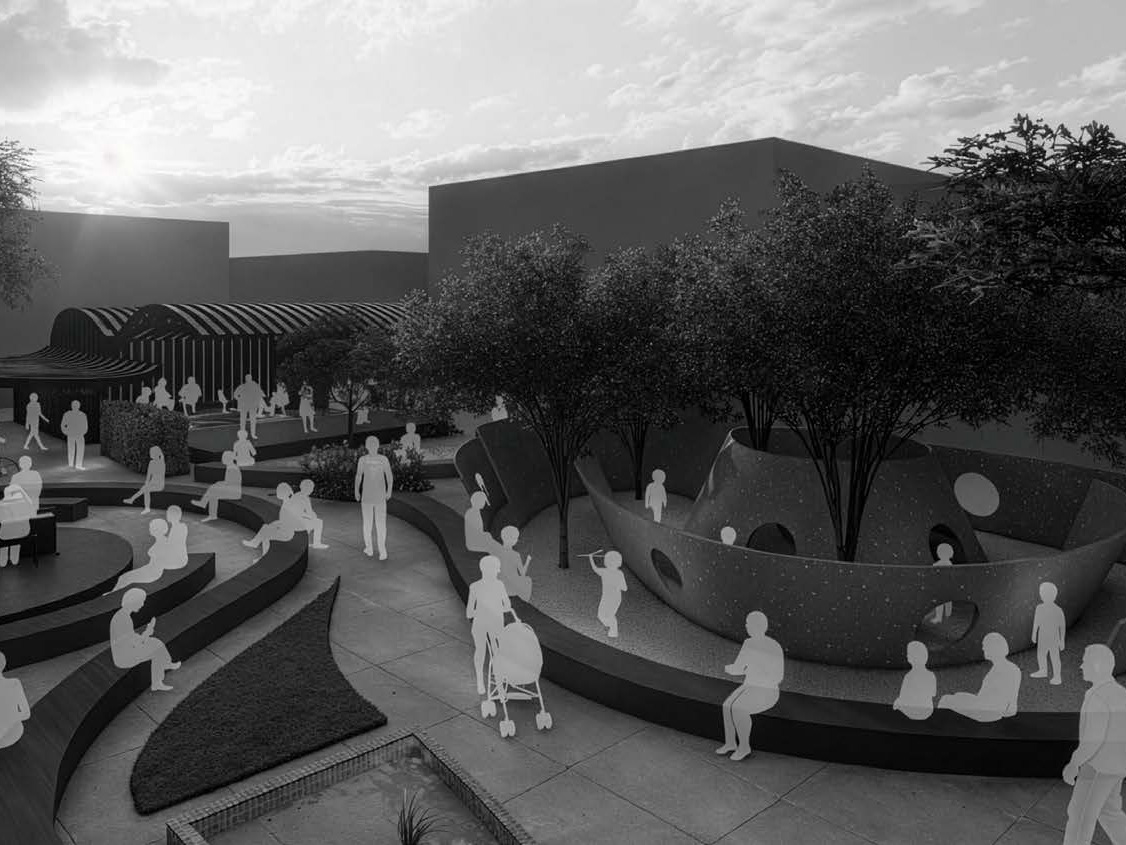
INTRODUCTION
Creative Cloud is a research-based urban design and strategy development project at the scale of a former industrial site in the Limanarkası district of Alsancak, İzmir. Historically, the area functioned as a production-oriented urban landscape, integrating port logistics, manufacturing facilities, railway infrastructures, and worker settlements. However, despite its historical significance, the Limanarkası has gradually lost its productive capacity and spatial coherence over time. The restructuring of industrial production in the late twentieth century —marked by automation, digitization, and geographic decentralization— fundamentally altered the relationship between space and economy, rendering traditional production landscapes such as Limanarkası increasingly obsolete within metropolitan contexts. As a result, the once cohesive industrial ecosystem fragmented into underutilized structures, vacant parcels, and obsolete infrastructural remnants.
Today, Limanarkası exists as a transitional territory suspended between its industrial past and an uncertain urban future. Ongoing parcel-based redevelopment initiatives, primarily driven by speculative real estate dynamics, have begun to introduce mono-functional high-rise commercial and residential developments that operate as isolated vertical enclaves within the existing urban fabric. These interventions not only disrupt morphological continuity but also threaten to spatially isolate the district from surrounding residential neighborhoods and erode the socio-cultural memory embedded within its industrial heritage.
In response to these challenges, the primary objective of the Creative Cloud is to reconceptualize the site as an urban resilience zone that can be reintegrated into the metropolitan system through adaptive, technology-oriented, and programmatically dynamic design strategies. Rather than promoting a tabula rasa redevelopment approach, the project seeks to reinterpret the existing industrial legacy of the area as a spatial resource for fostering creative production, collective knowledge exchange, and innovation-driven urban activity. Developed as a four-person urban design proposal, the project envisions the transformation of Limanarkası into a creative district capable of accommodating emerging modes of digital production, cultural entrepreneurship, and flexible public use.
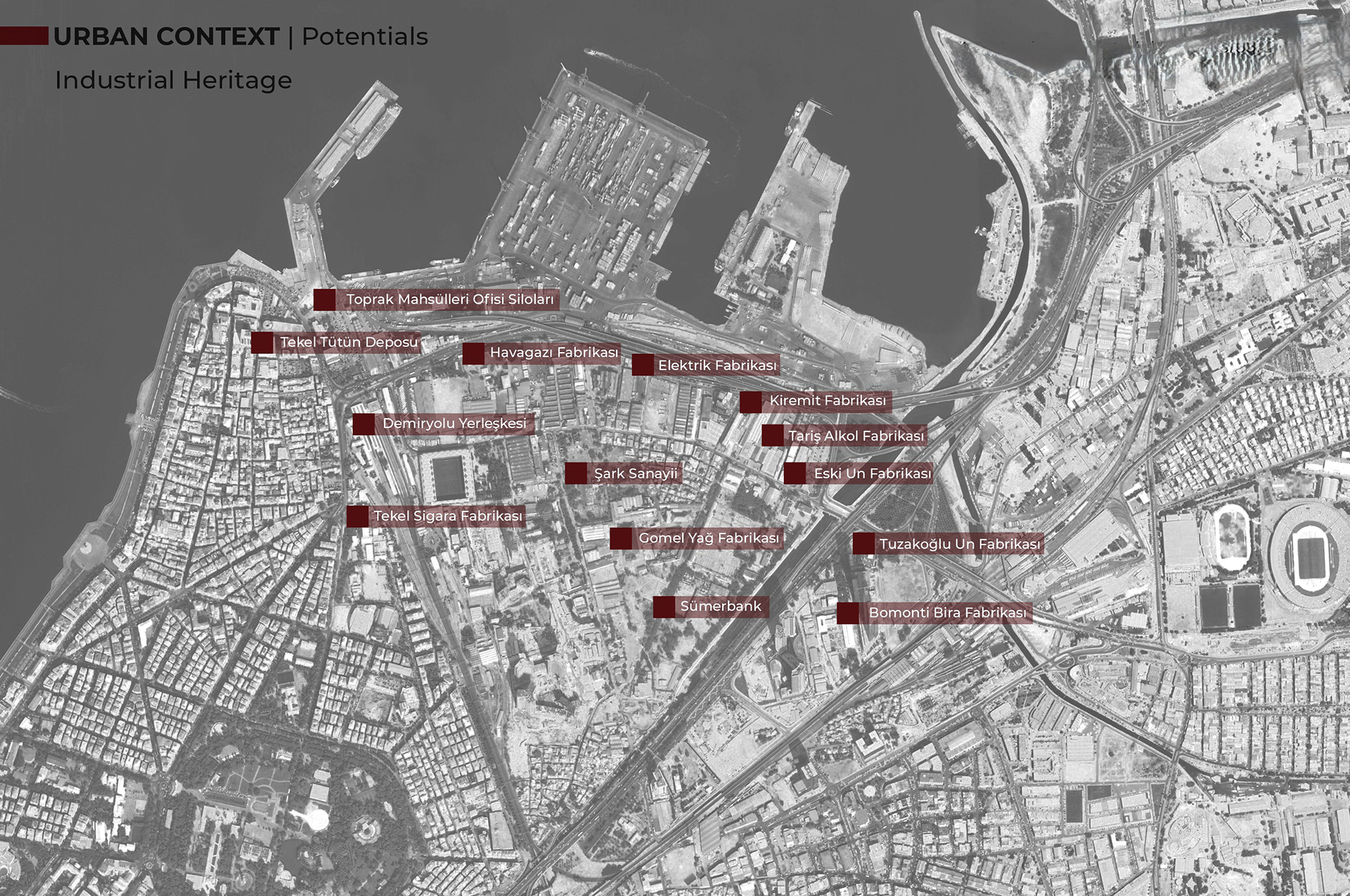
Industrial Heritage
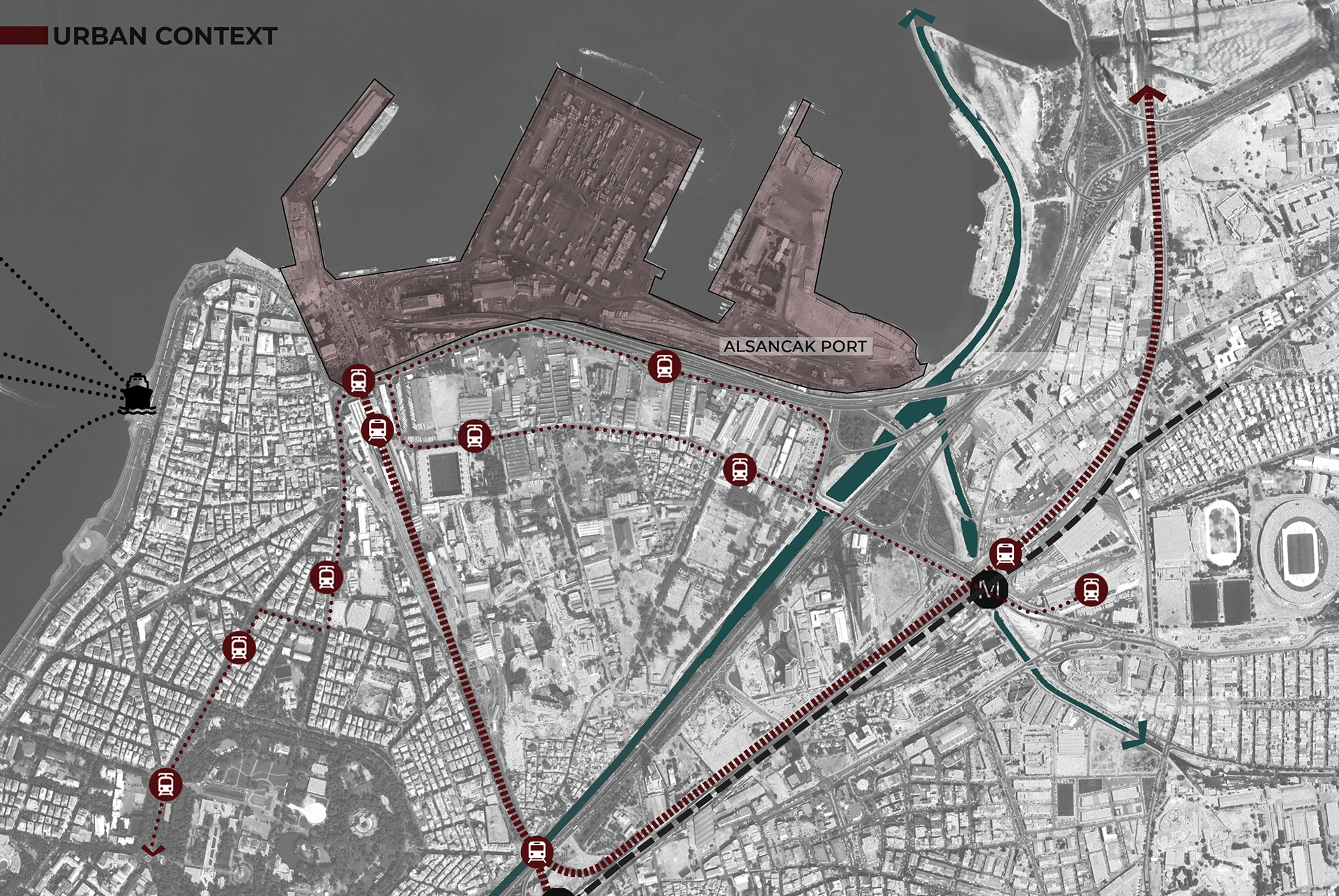
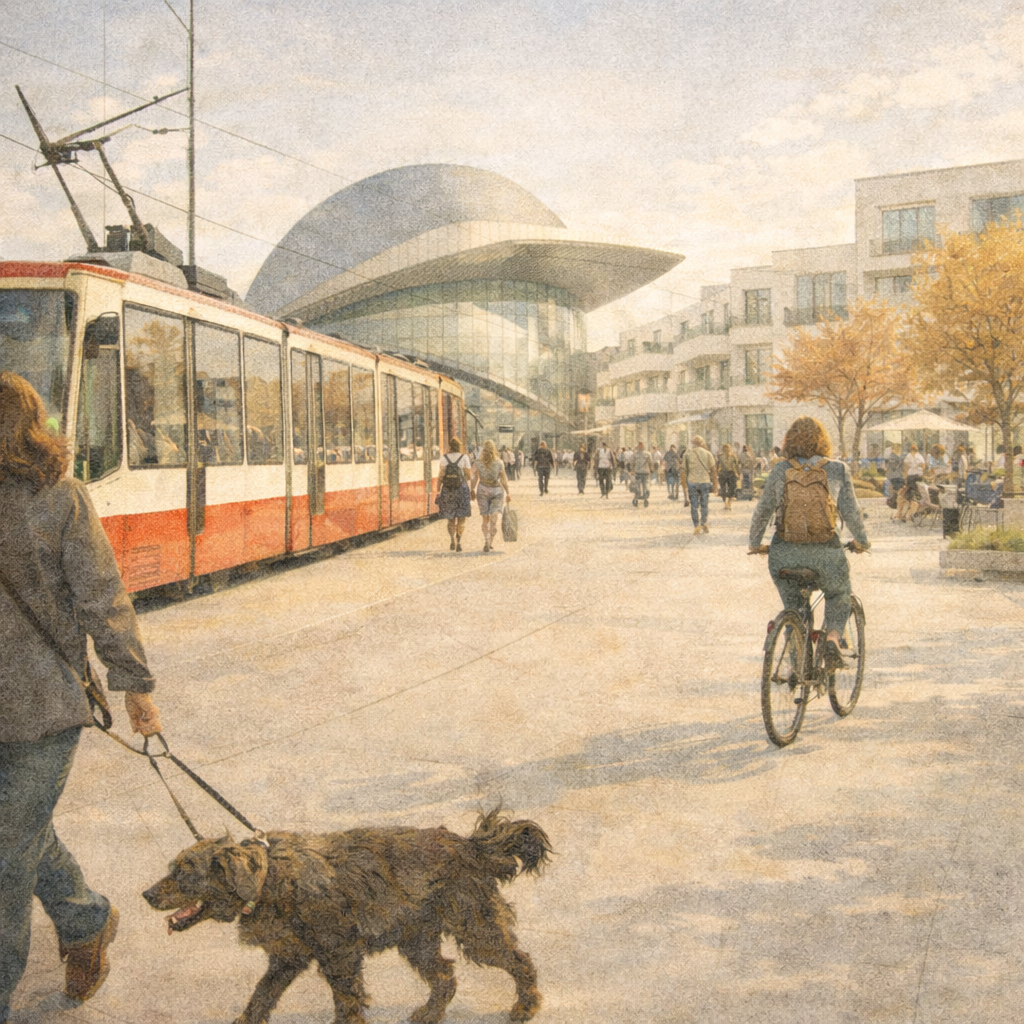
Urban Context & Transportation
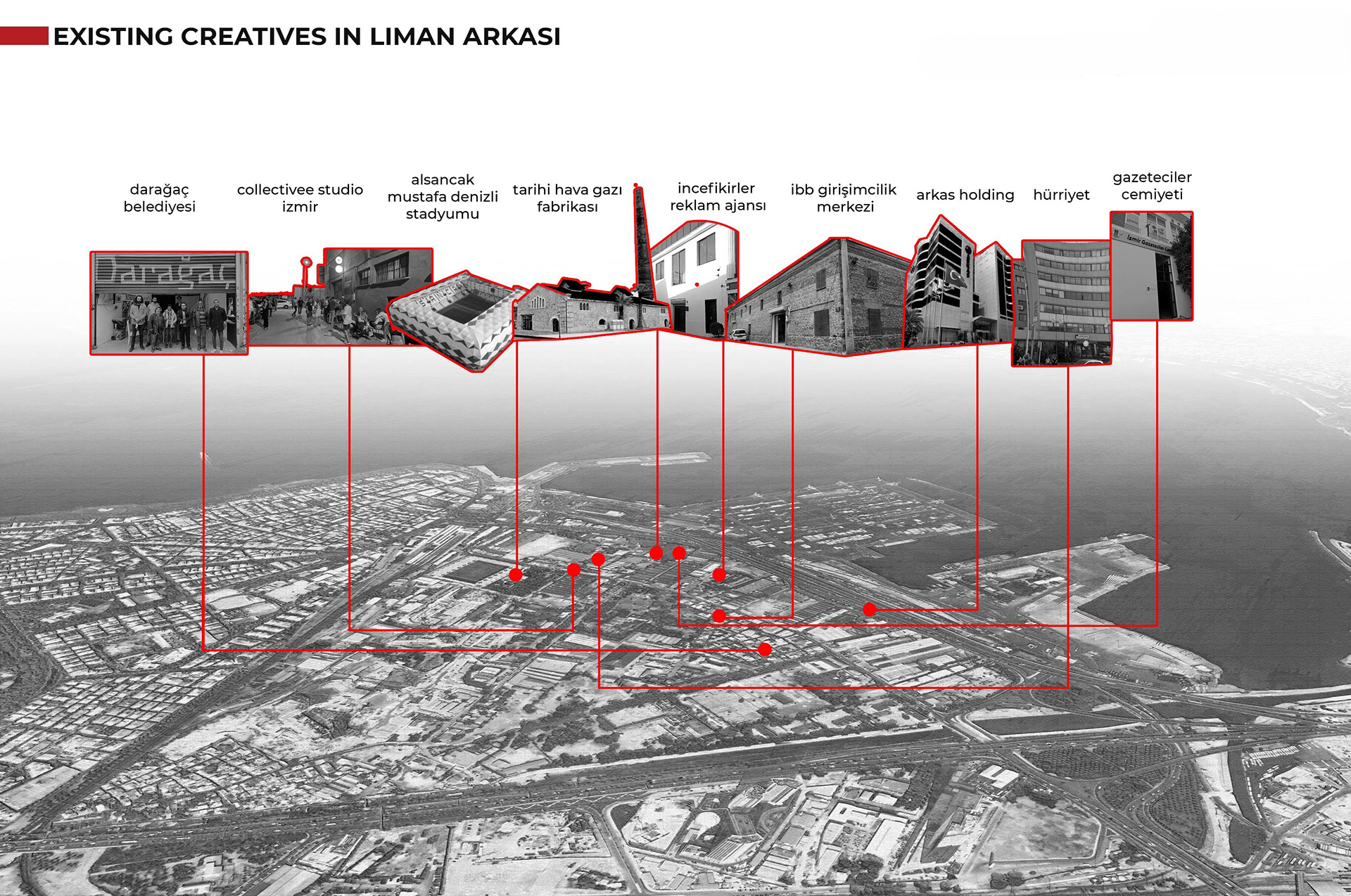
Existing Creatives
FROM INDUSTRIAL ECONOMY TO CREATIVE PRODUCTION SYSTEMS
The transformation of industrial territories such as Limanarkası must be understood within the broader transition from Fordist manufacturing economies toward post-industrial knowledge economies. Contemporary creative industries —including film production, digital media, design entrepreneurship, software development, and cultural innovation— operate through production processes fundamentally distinct from standardized industrial models.
Unlike traditional industrial manufacturing, which depends on spatial stability and process standardization, creative production requires environments capable of accommodating ambiguity, reconfiguration, and temporary co-presence. The discontinuous nature of project-based creative labor further implies that production cannot be confined to singular institutional buildings but must instead operate through distributed spatial networks.
Innovation systems research similarly demonstrates that knowledge transfer within creative sectors is strongly conditioned by geographical proximity, interpersonal networks, and informal interaction environments. Clustering tendencies observed in cultural and creative industries therefore reflect not only economic agglomeration but also a spatial necessity for relational proximity and collaborative experimentation.
INDUSTRIAL HERITAGE AS LATENT SPATIAL CAPITAL
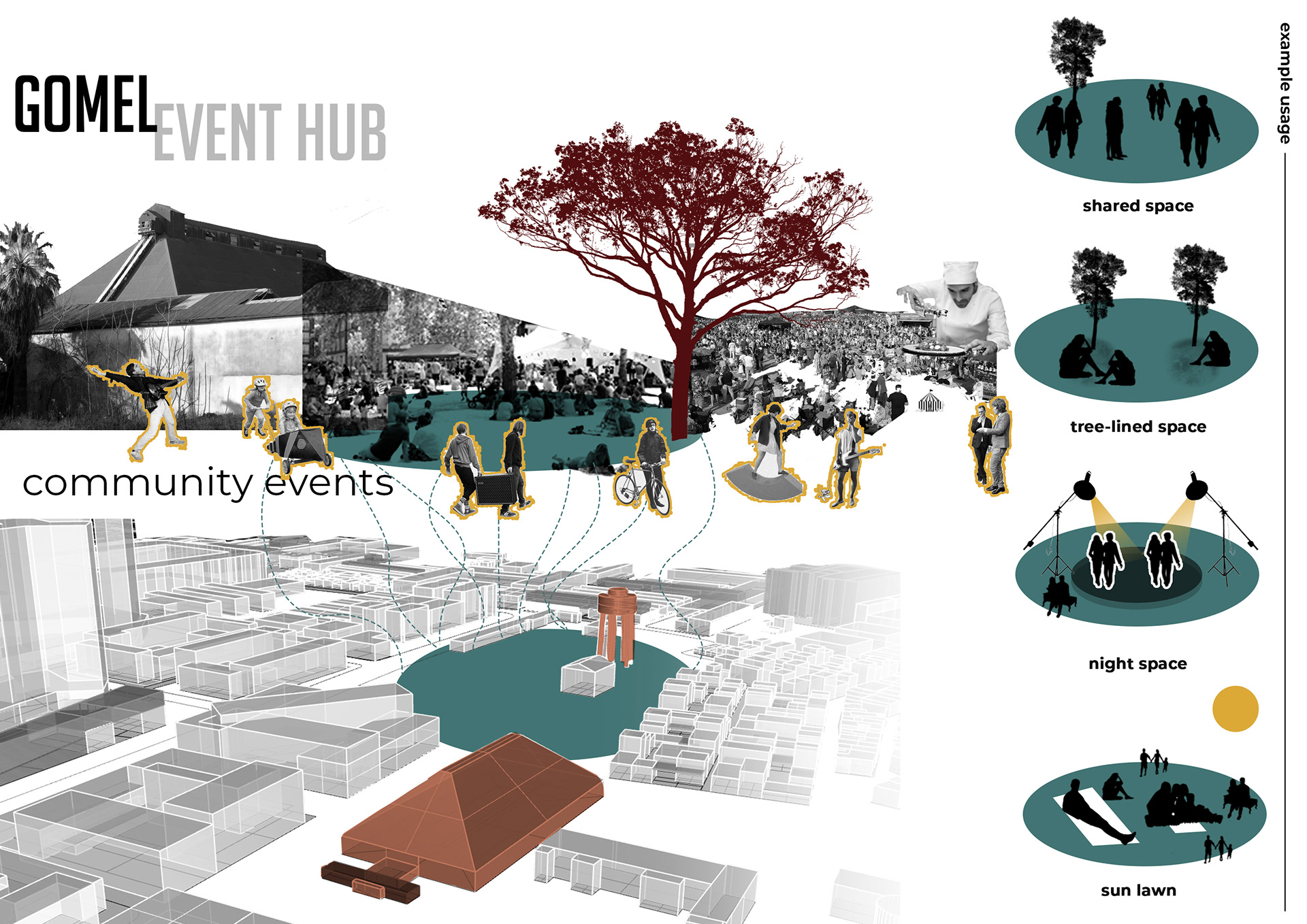
The Limanarkası site and its immediate surroundings host a dense cluster of historically significant industrial facilities that collectively shaped the productive identity of Alsancak throughout the late nineteenth and twentieth centuries. Among the most prominent industrial artifacts are the former Tekel Tobacco Warehouse and Cigarette Factory, TCDD Railway Campus, Havagazı Factory, Electricity Factory, Şark Industry Complex, Gomel Oil Factory, Sümerbank facilities, Tile Factory, Tariş Alcohol Factory, Tuzakoğlu Old-Flour Factory, and the Bomonti Beer Factory. Together, these prdduction-oriented infrastructures constituted a continuous industrial landscape that enabled the integration of raw material processing, manufacturing, distribution, and maritime transport within a unified urban framework, therebyembedding the district into the broader economic and spatial development of İzmir.
Within the Creative Cloud proposal, this existing industrial fabric is approached not as a heritage constraint but as a form of latent spatial capital capable of supporting new production logics. The large volumes, structural robustness, and morphological flexibility of industrial buildings make them particularly suitable for contemporary forms of creative production that require adaptable environments.
Adaptive reuse in this context operates as a regenerative production framework that transforms controlled spatial imperfection into environments conducive to experimentation, informal collaboration, and iterative innovation processes. Unlike purpose-built commercial office developments, industrial remnants accommodate the uncertainty inherent in creative production, allowing for spatial reconfiguration in response to evolving technological and organizational needs.
SpeculatIve Redevelopment and SpatIal FragmentatIon
Despite their latent potential, many of Limanarkası’s industrial structures are currently exposed to redevelopment pressures driven by speculative real estate investment. Parcel-based urban transformation initiatives prioritize short-term economic return over long-term spatial coherence, resulting in mono-functional developments that fragment the existing urban texture.
The gradual deindustrialization of the area has resulted in extensive spatial vacancies and underutilized land parcels, which are increasingly subjected to speculative investment pressures. One of the most critical consequences of this transformation is the emergence of high-rise commercial and residential developments that operate as isolated vertical enclaves within the urban fabric. These structures tend to disregard the morphological continuity of the district, producing sharp contrasts in scale, density, and spatial permeability. As a result, this process produces multiple layers of fragmentation, including morphological discontinuity, programmatic segregation, and diminished public accessibility.
Furthermore, the encroachment of gated developments and mono-functional land uses has begun to sever the site’s physical and socio-spatial relationship with the surrounding neighborhoods. This condition not only accelerates the loss of collective memory embedded in the industrial heritage structures but also undermines the site’s potential to function as an integrated public interface between the port, the city center, and adjacent residential areas.
In addition to morphological fragmentation, the area currently lacks a coherent programmatic structure capable of supporting contemporary urban life. The absence of mixed-use environments, public open spaces, and adaptive reuse strategies has transformed the site into a residual urban void rather than an active component of the metropolitan system. Within this context, the necessity for an alternative planning approach becomes evident—one that prioritizes spatial continuity, adaptive reuse, and programmatic diversity over speculative densification.
DesIgn Approach: CreatIve Cloud as a Networked Urban ProductIon Ecology
The “Creative Cloud” proposal introduces a technology-oriented and programmatically dynamic framework that seeks to reposition Limanarkası as a creative production district grounded in adaptive reuse and socio-spatial integration. Rather than proposing a large-scale replacement of the existing built environment, the project adopts a regenerative approach that prioritizes the restoration and functional transformation of historically significant industrial structures within the site. Through this strategy, the existing architectural fabric is reactivated to accommodate emerging creative sectors, thereby enabling the continuity of production-oriented spatial practices in a contemporary urban context.
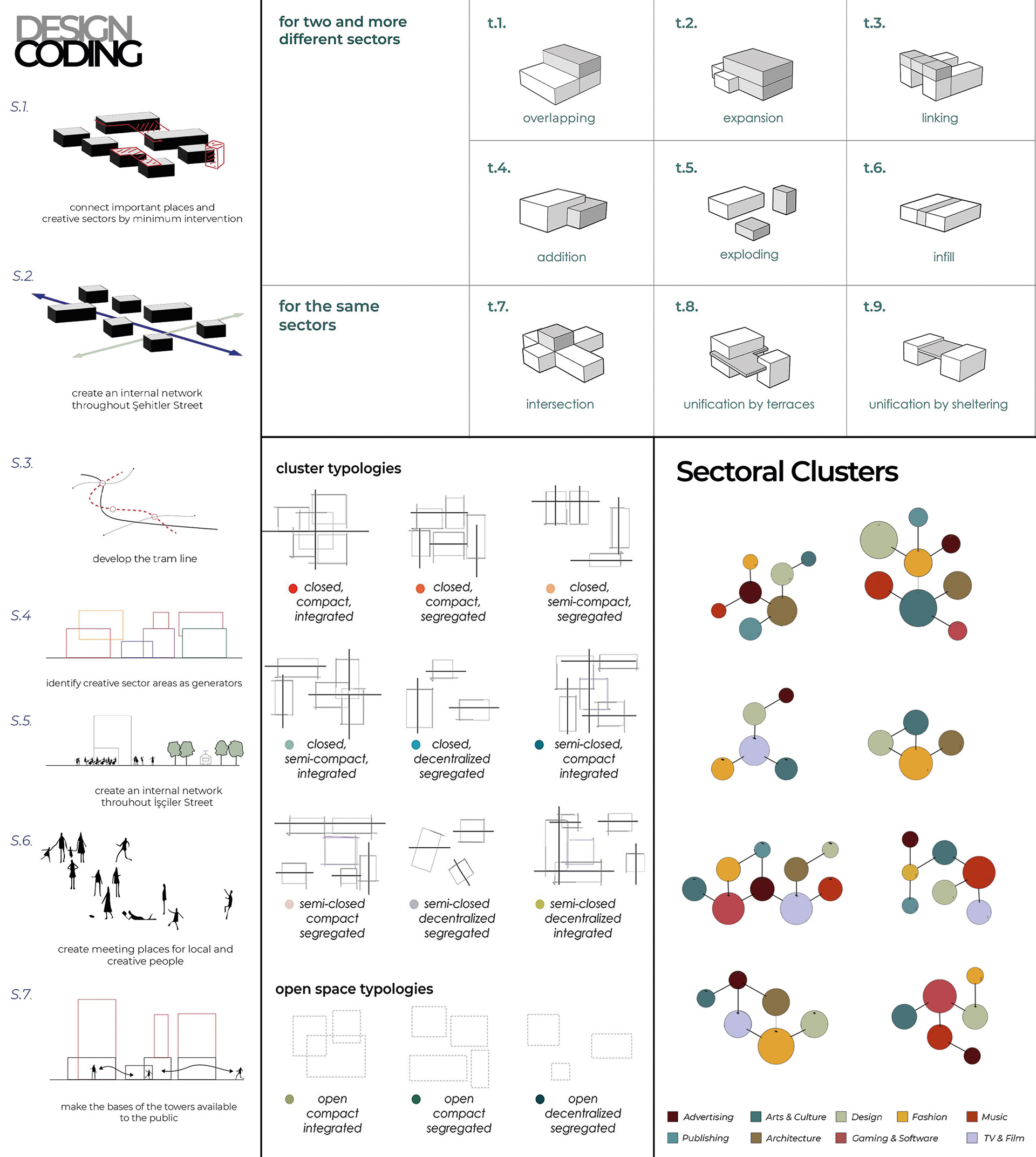
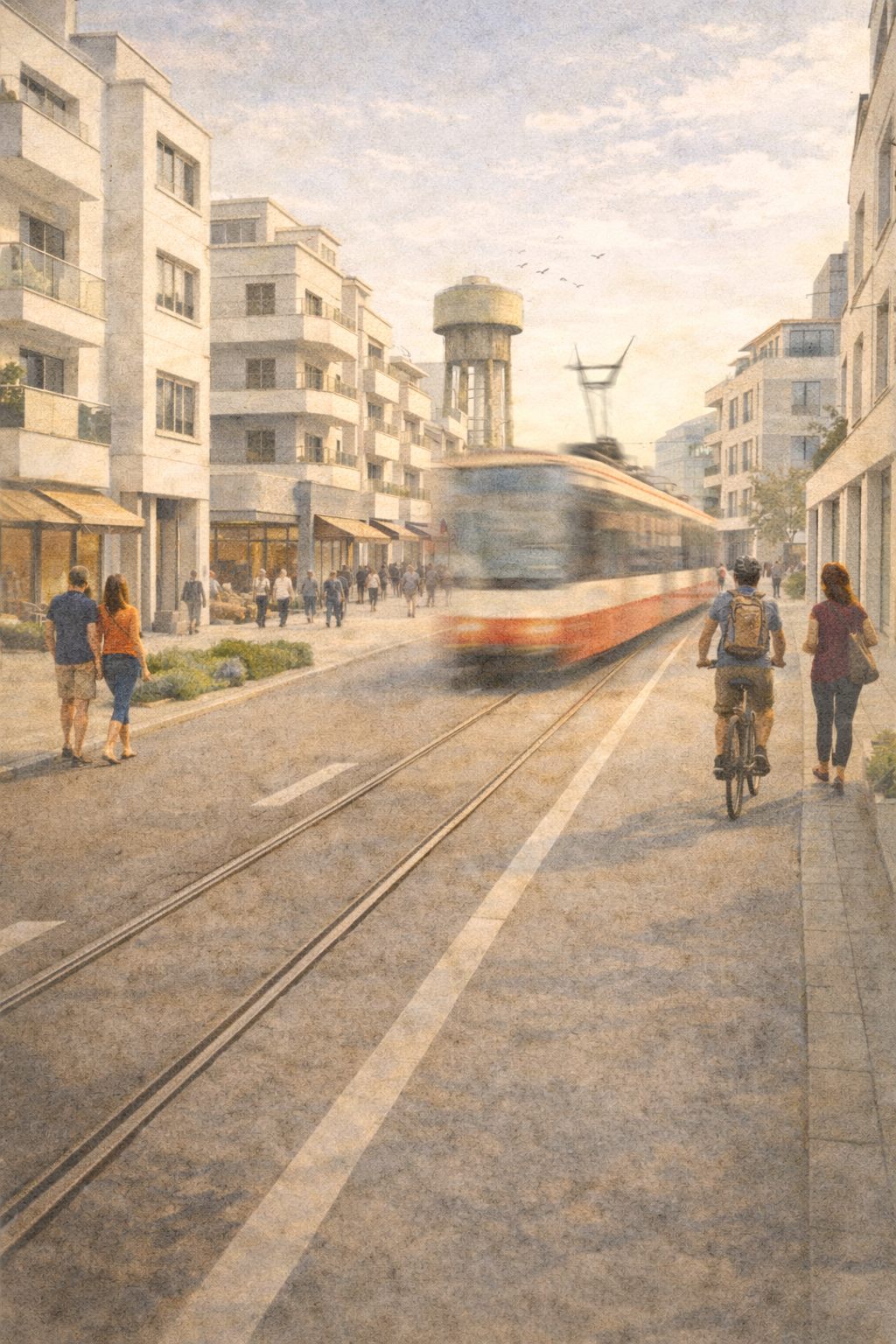
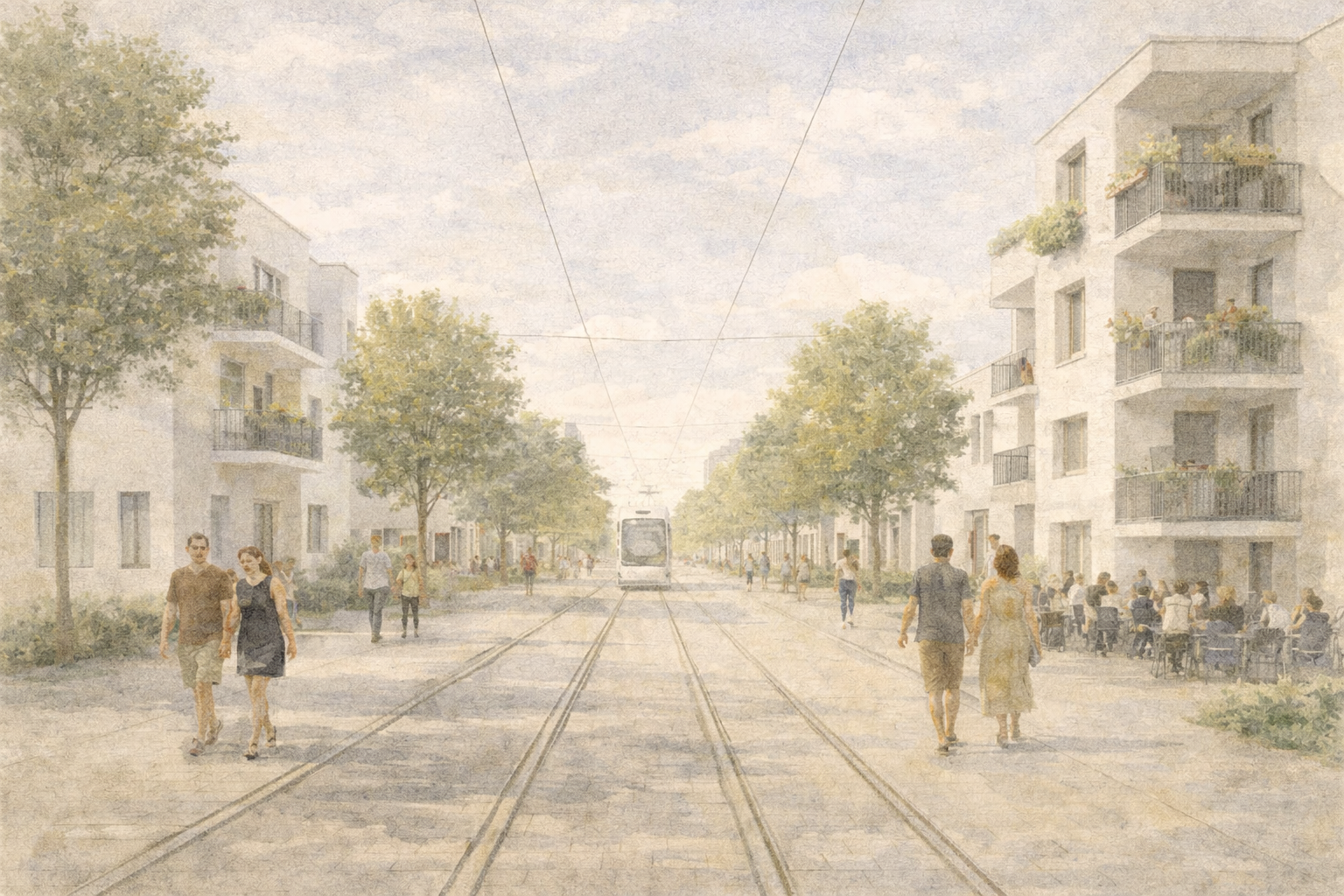
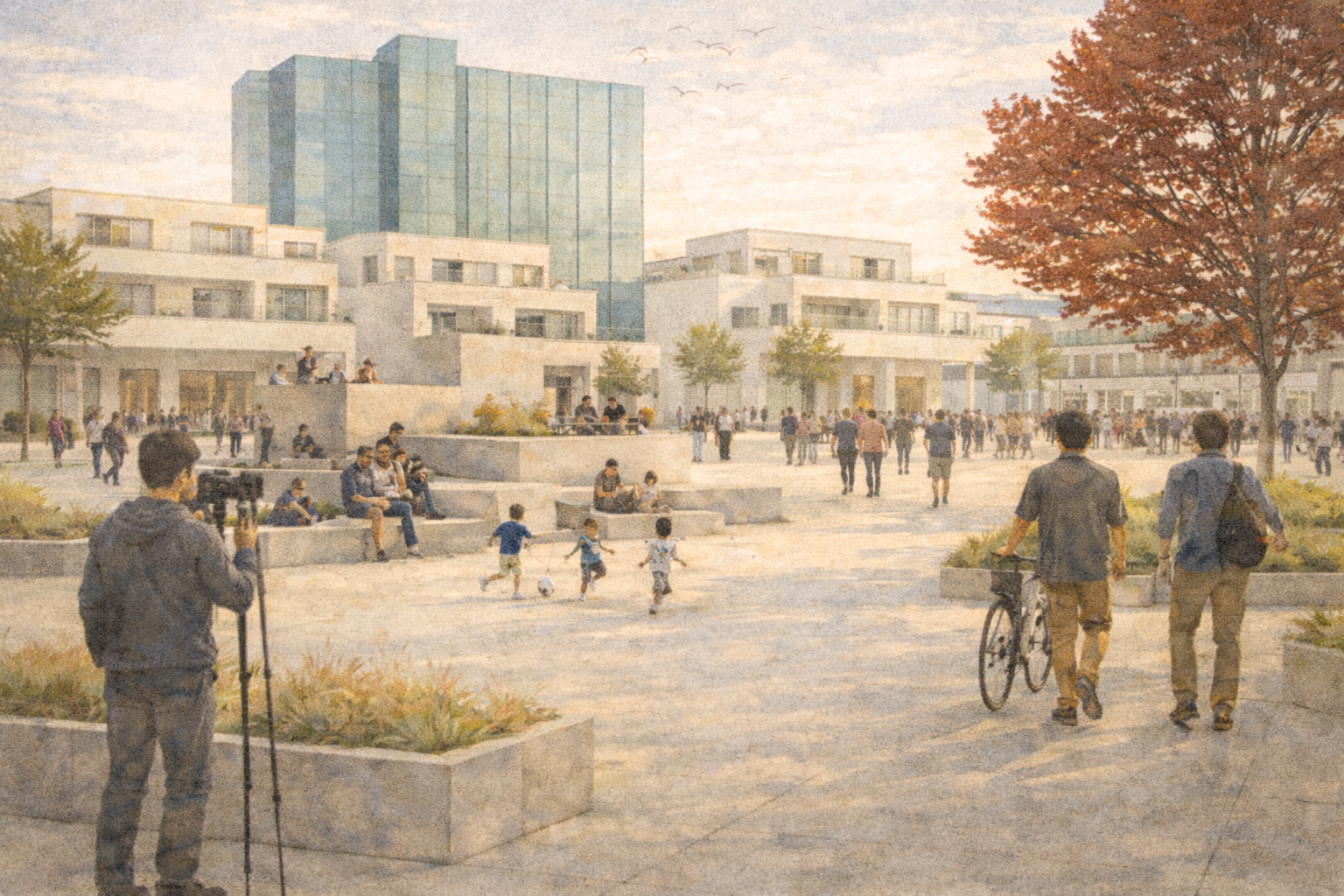
Central to the proposal is the gradual attraction and spatial clustering of creative industries within the reprogrammed industrial environment. These sectors are envisioned to form interconnected clusters that support collaborative production processes, knowledge exchange, and innovation-driven urban economies. The resulting spatial organization moves beyond mono-functional zoning practices and instead promotes a mixed-use urban environment in which residential, productive, and commercial functions are integrated into a cohesive and mutually reinforcing system.
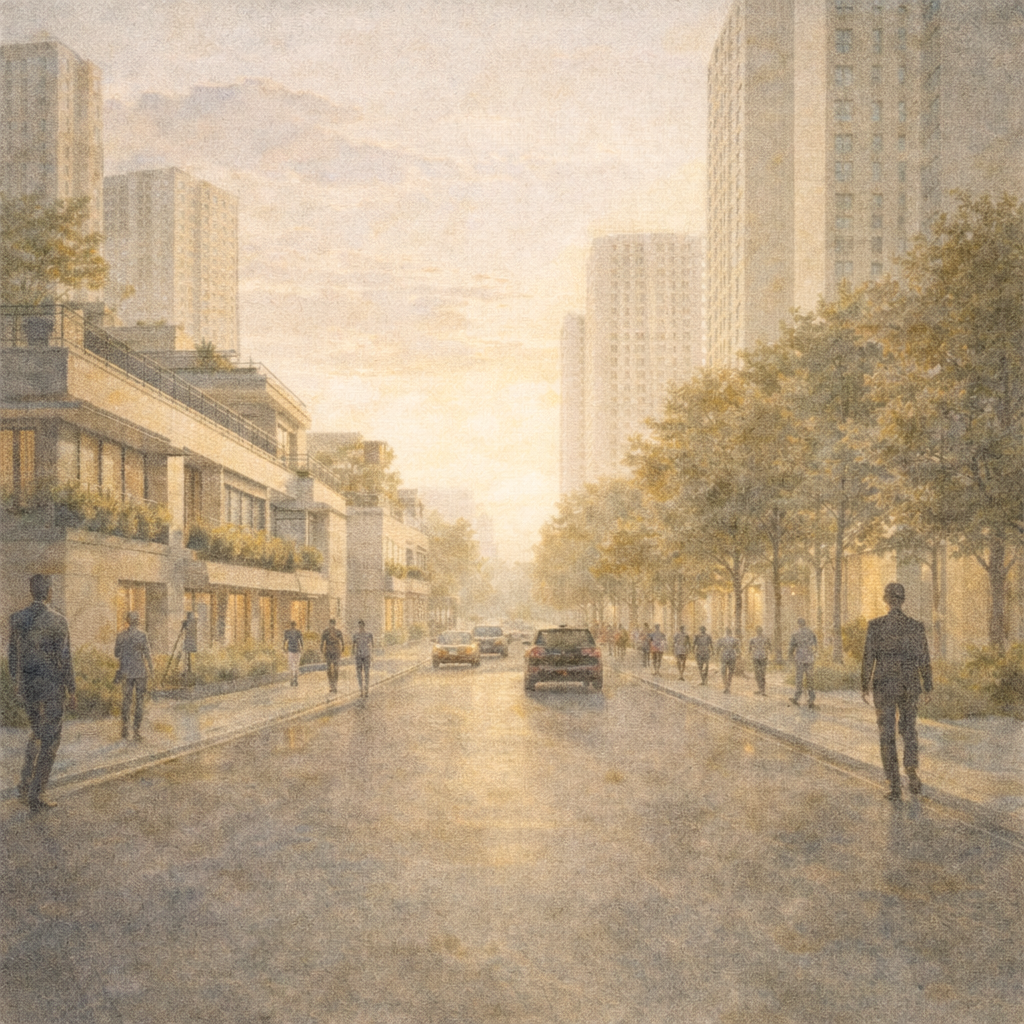
In this regard, the proposal also reconsiders the role of existing high-rise developments within the district. The ground floors of these structures are strategically re-evaluated as potential interfaces for public engagement, accommodating workspaces, ateliers, and showroom environments that contribute to the visibility and accessibility of creative production. This intervention aims to transform otherwise privatized vertical enclaves into active components of the district’s emerging creative ecosystem.
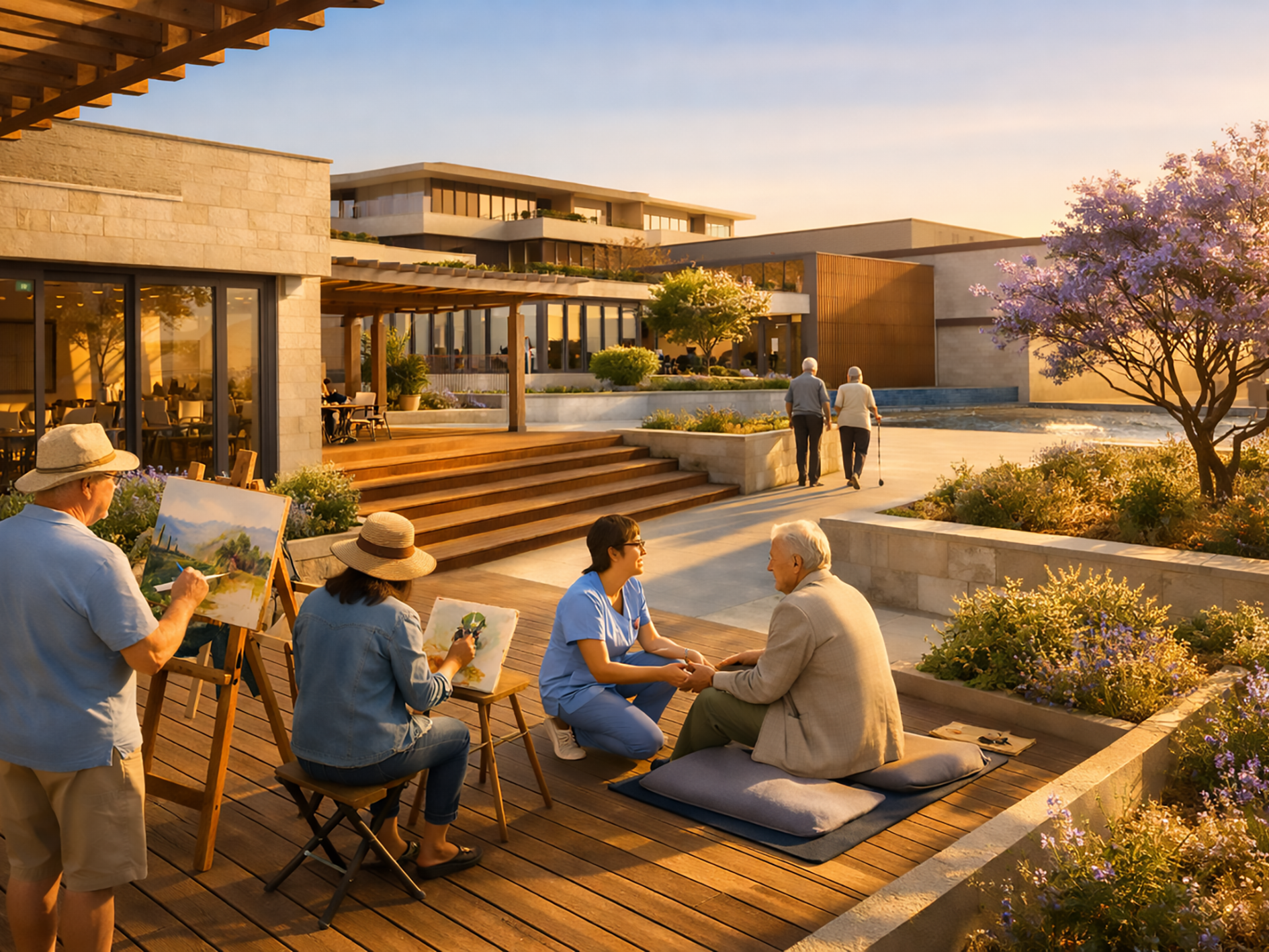
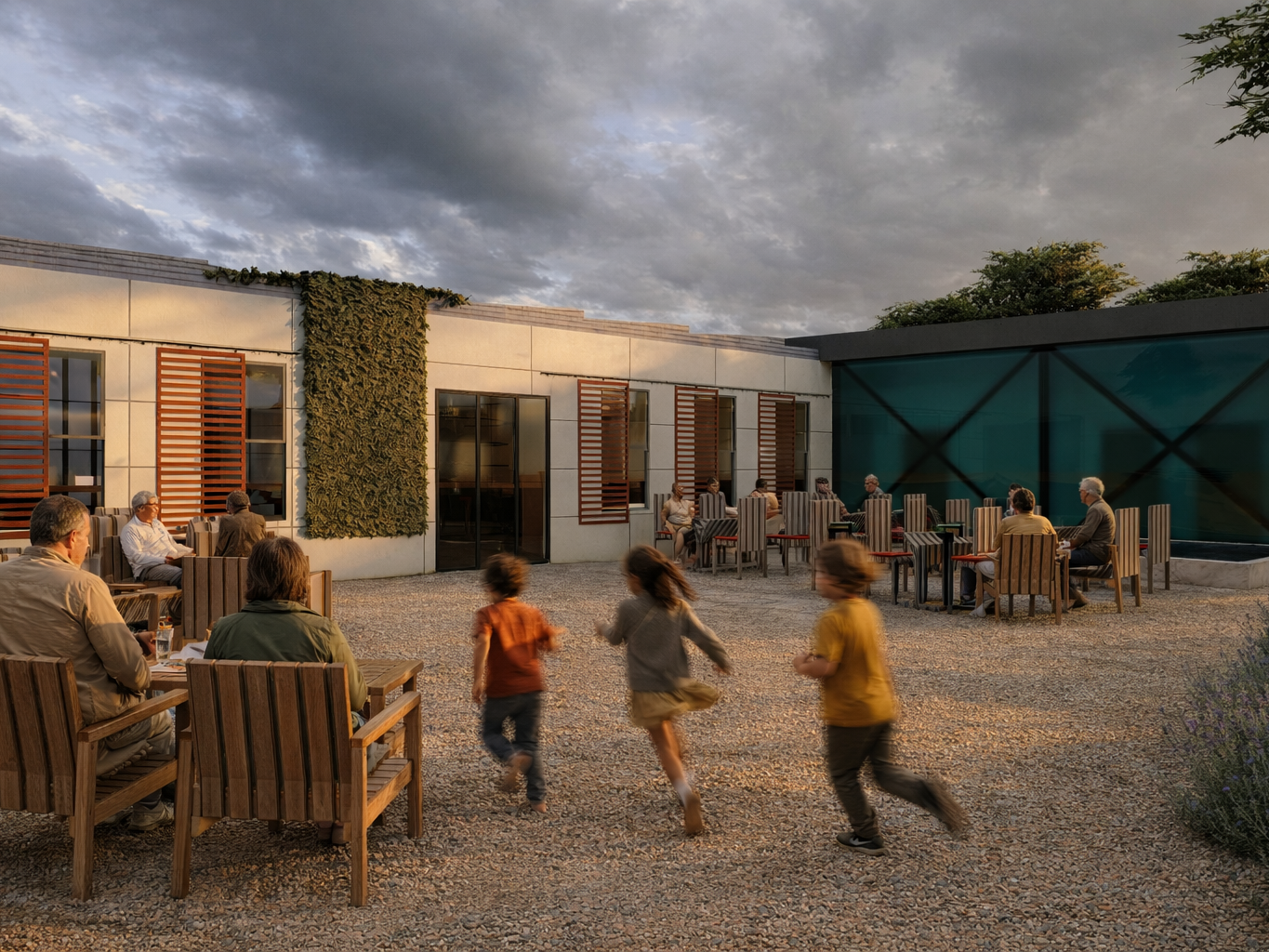
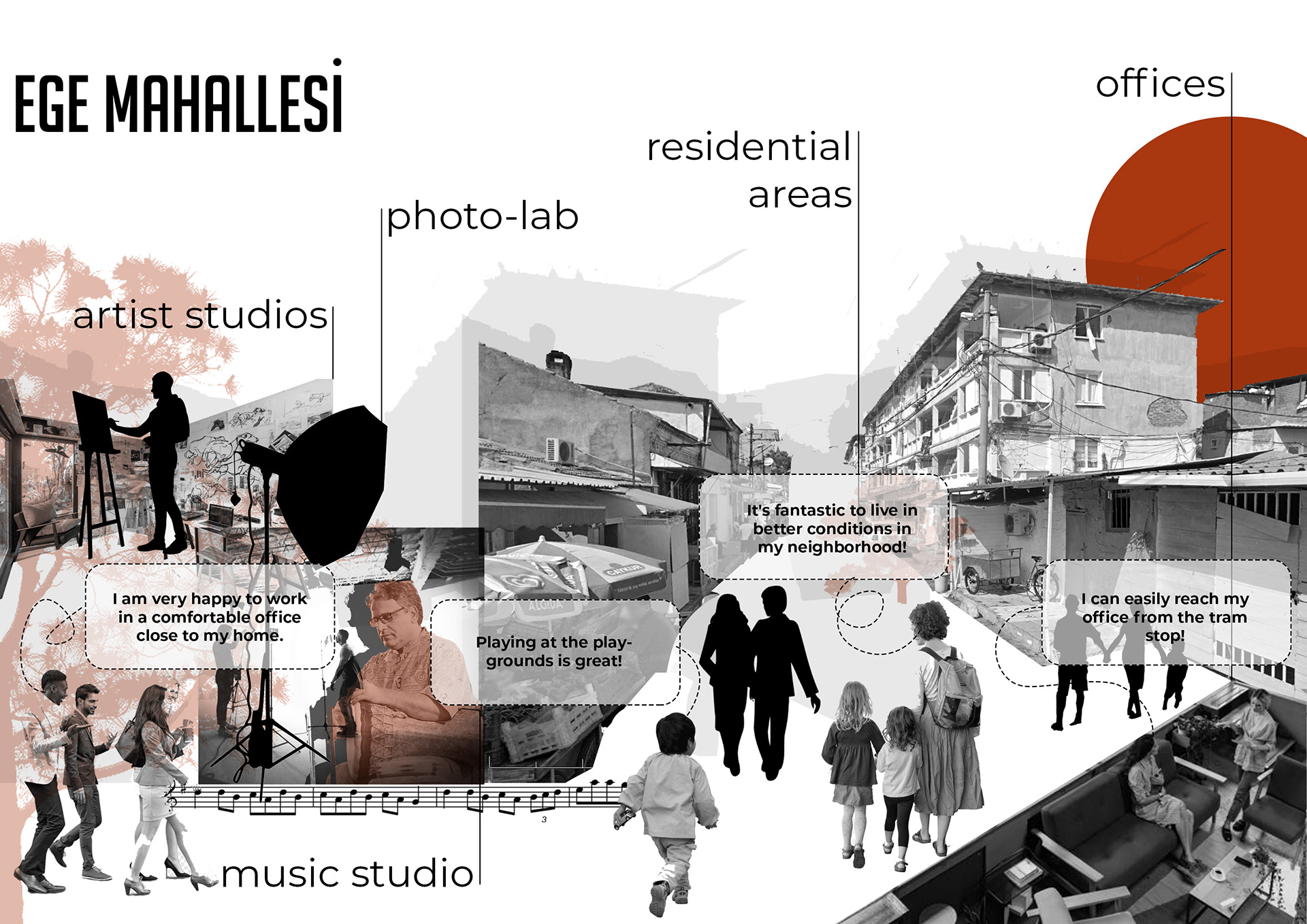
Equally significant is the project’s emphasis on socio-spatial inclusivity. Existing residential communities —particularly the Ege Neighborhood— are incorporated into the proposed transformation process to prevent displacement and ensure local continuity. Similarly, the presence of independent cultural initiatives such as the Darağaç Collective is acknowledged as a vital component of the district’s creative identity. The proposal supports the preservation and self-sustaining development of such grassroots organizations as integral actors within the broader urban production network.
Collectively, these strategies give rise to what the project conceptualizes as a “creative cloud” — a distributed and adaptive spatial configuration formed through the relational networks of clustered sectors, shared infrastructures, and collaborative practices. Rather than functioning as a singular centralized hub, this nebulous yet interconnected system operates as an urban production ecology capable of evolving over time in response to shifting technological, economic, and social conditions.
SpatIal StrategIes and ProgrammatIc DISTRIBUTIon
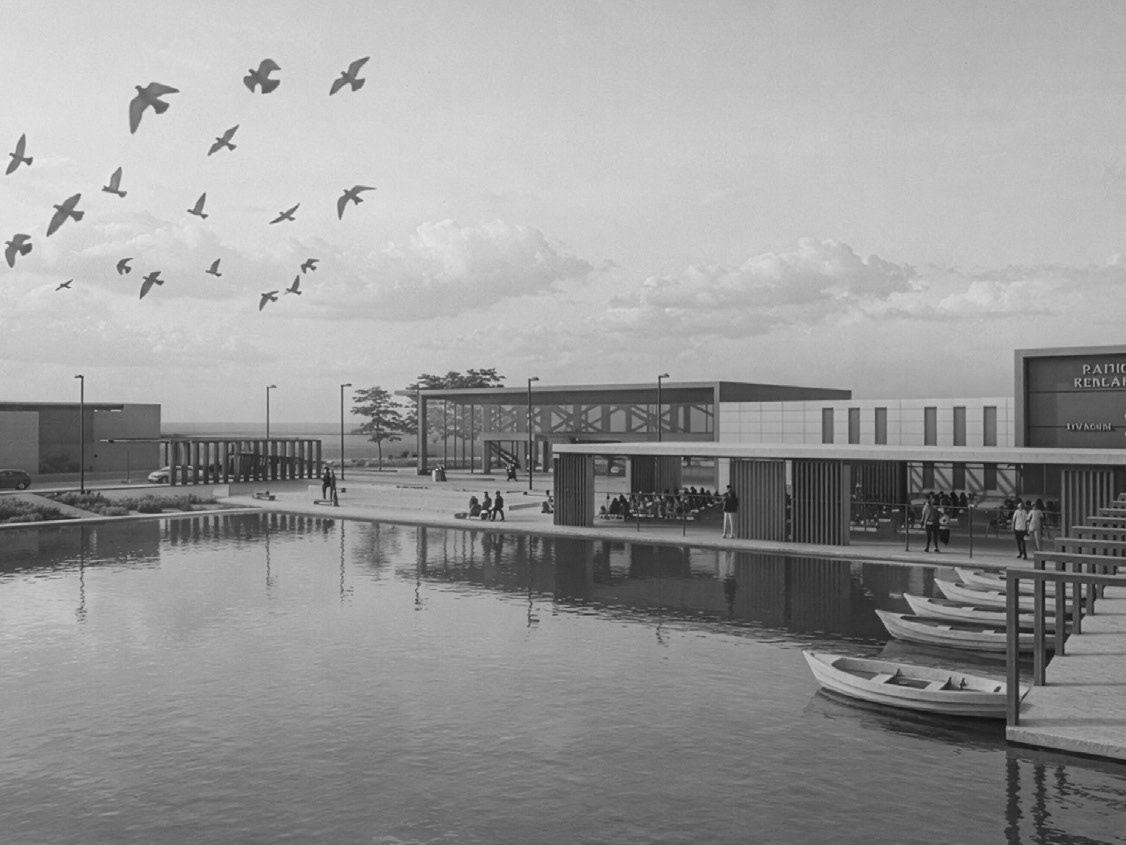
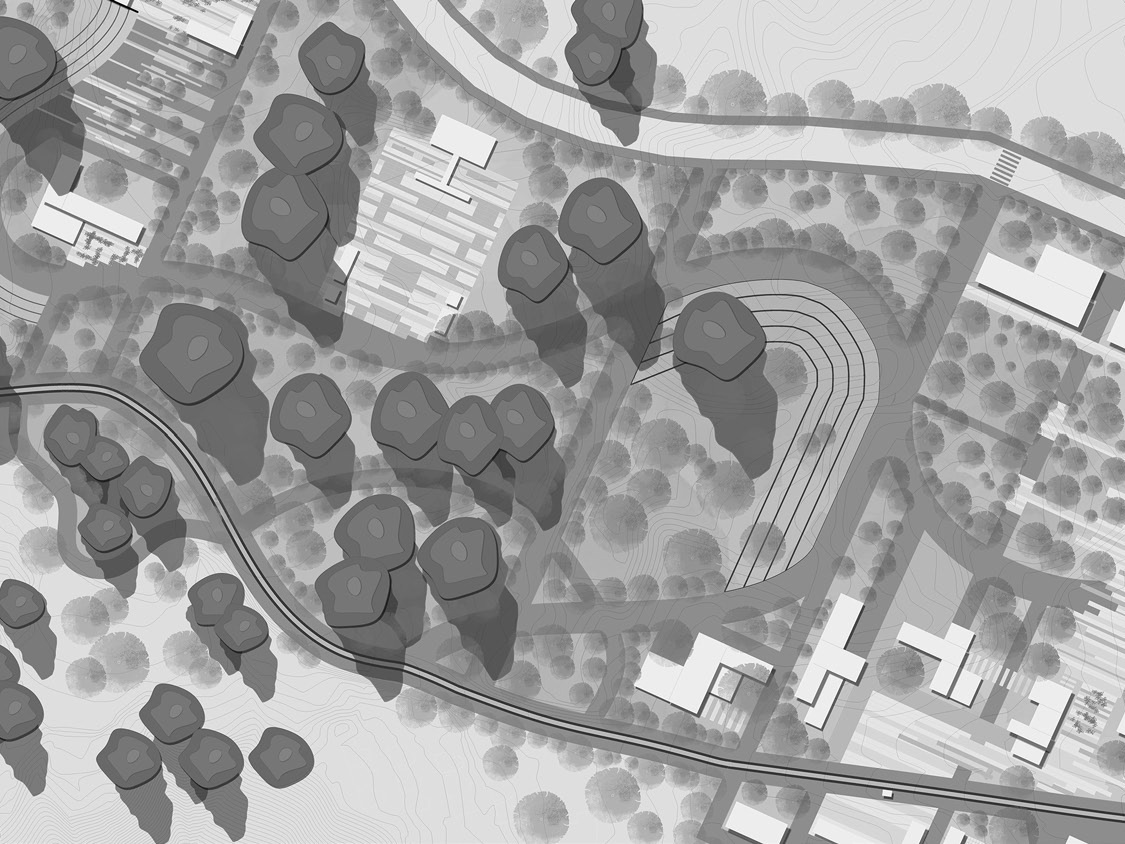
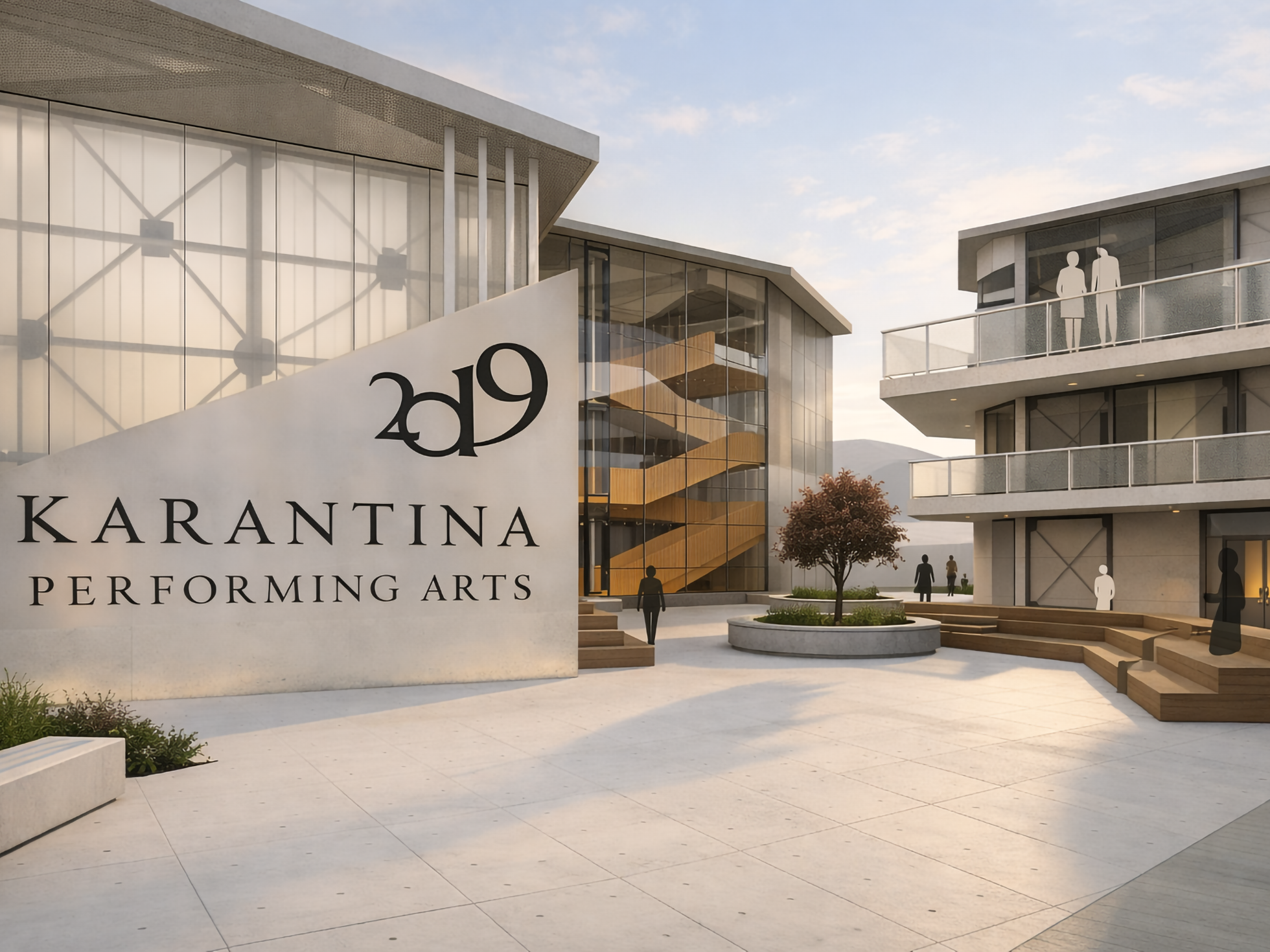
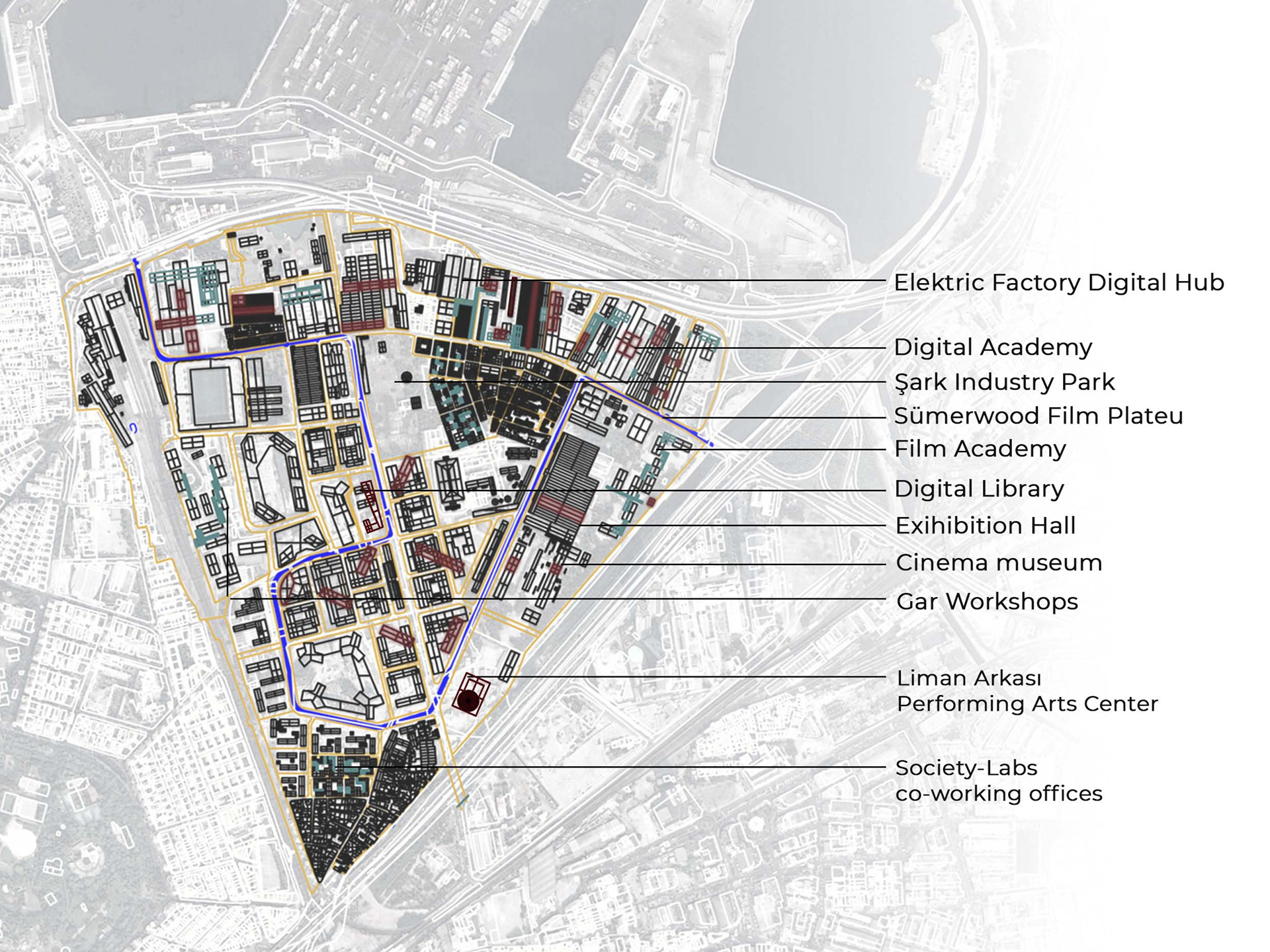
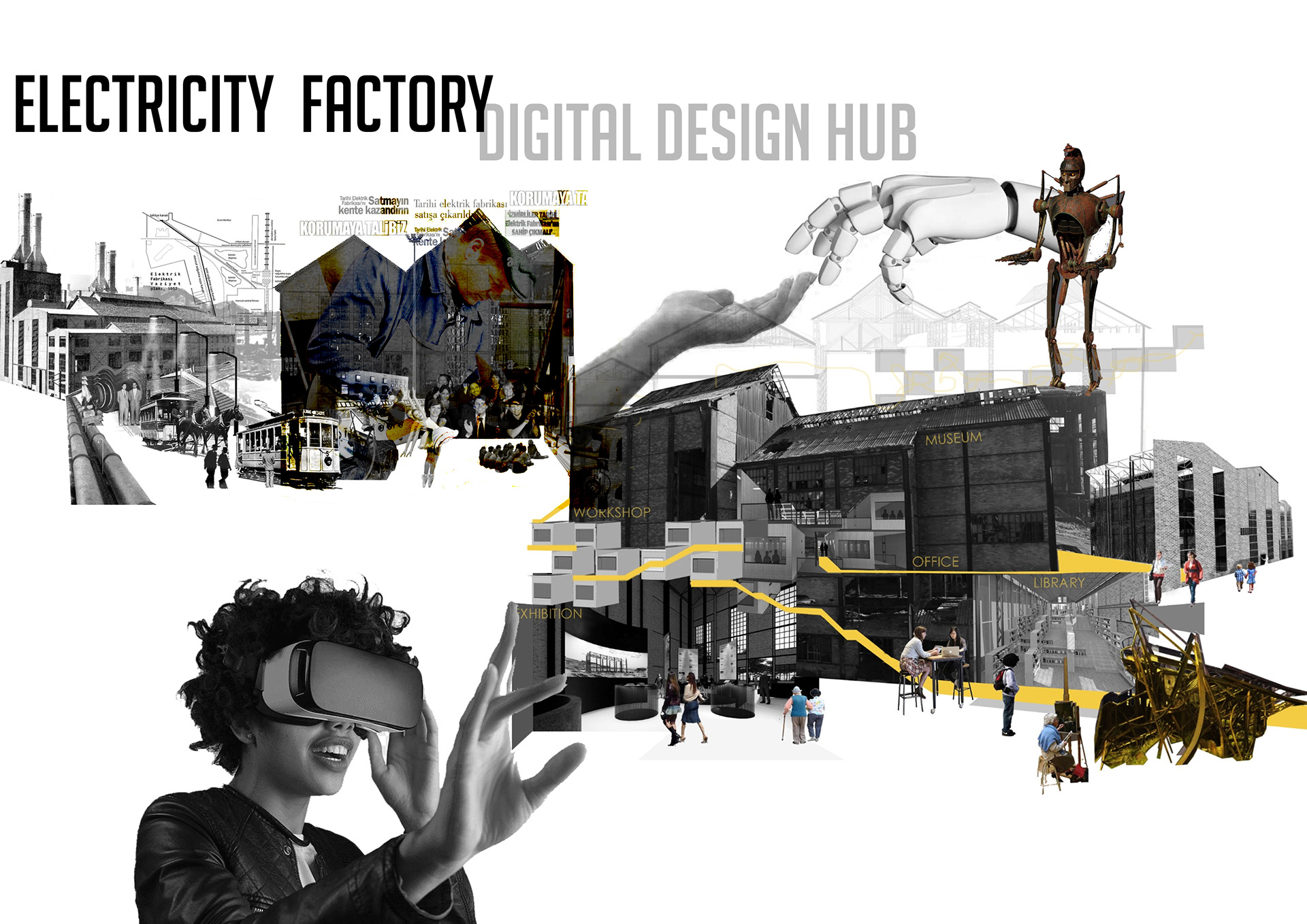
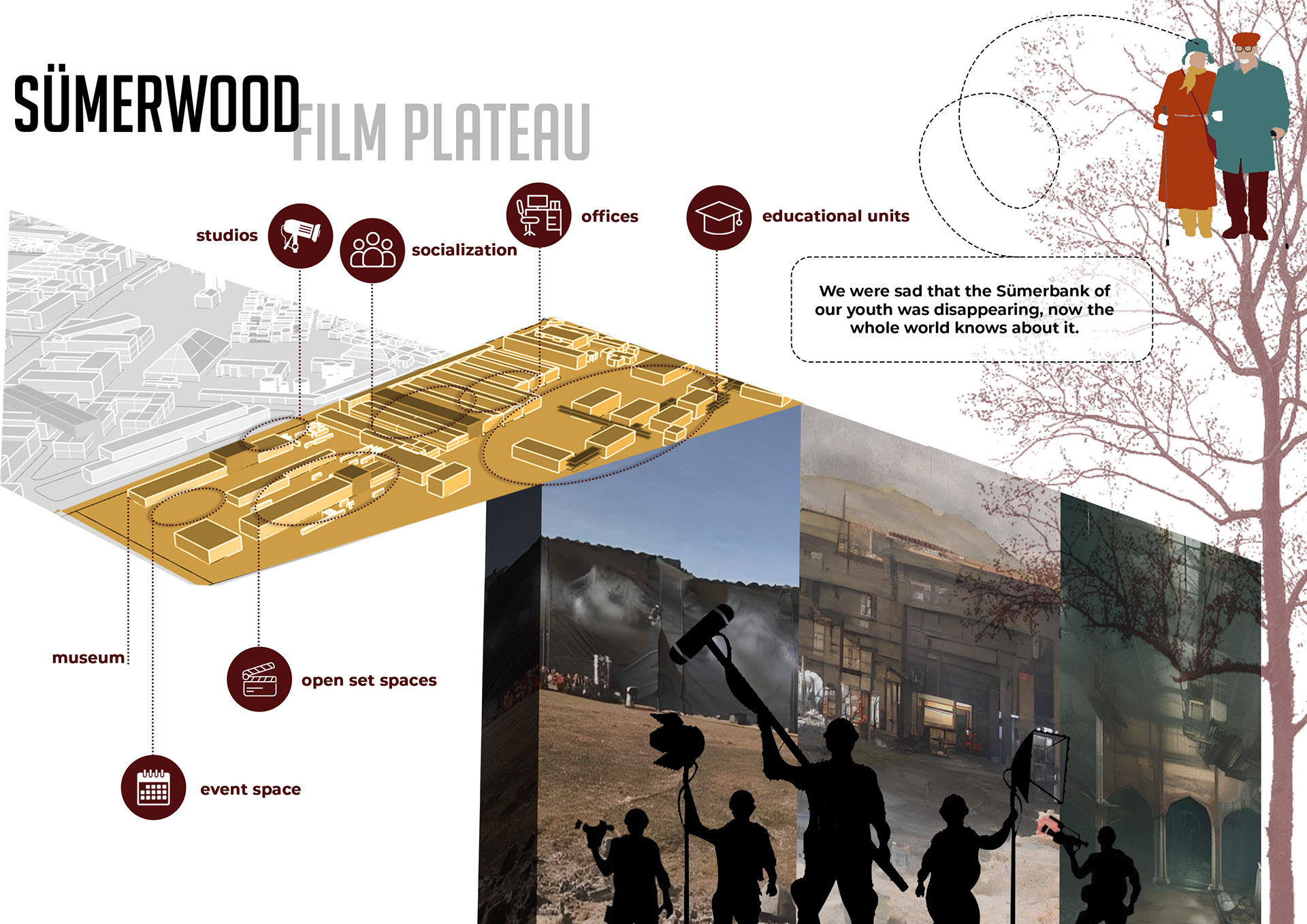
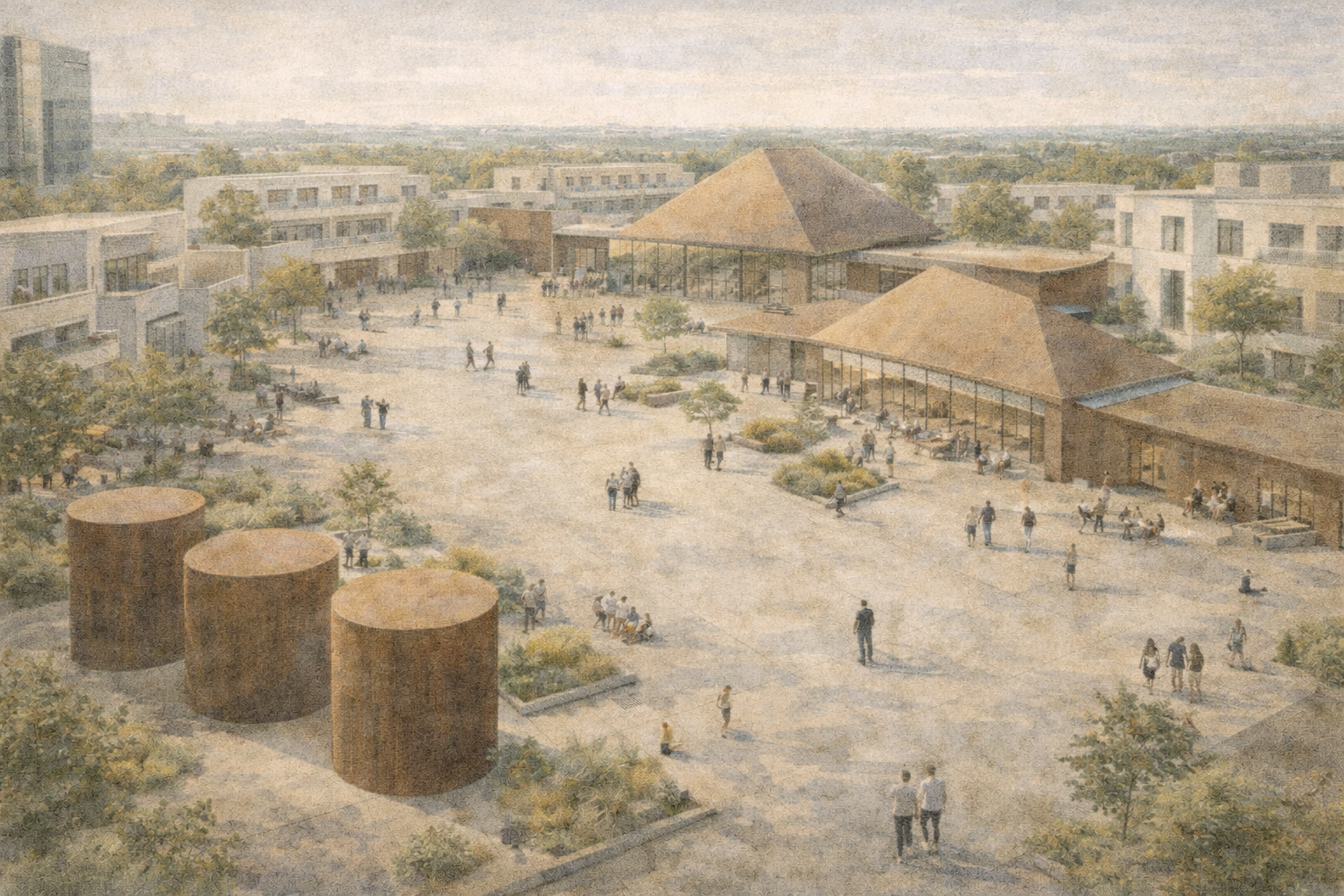
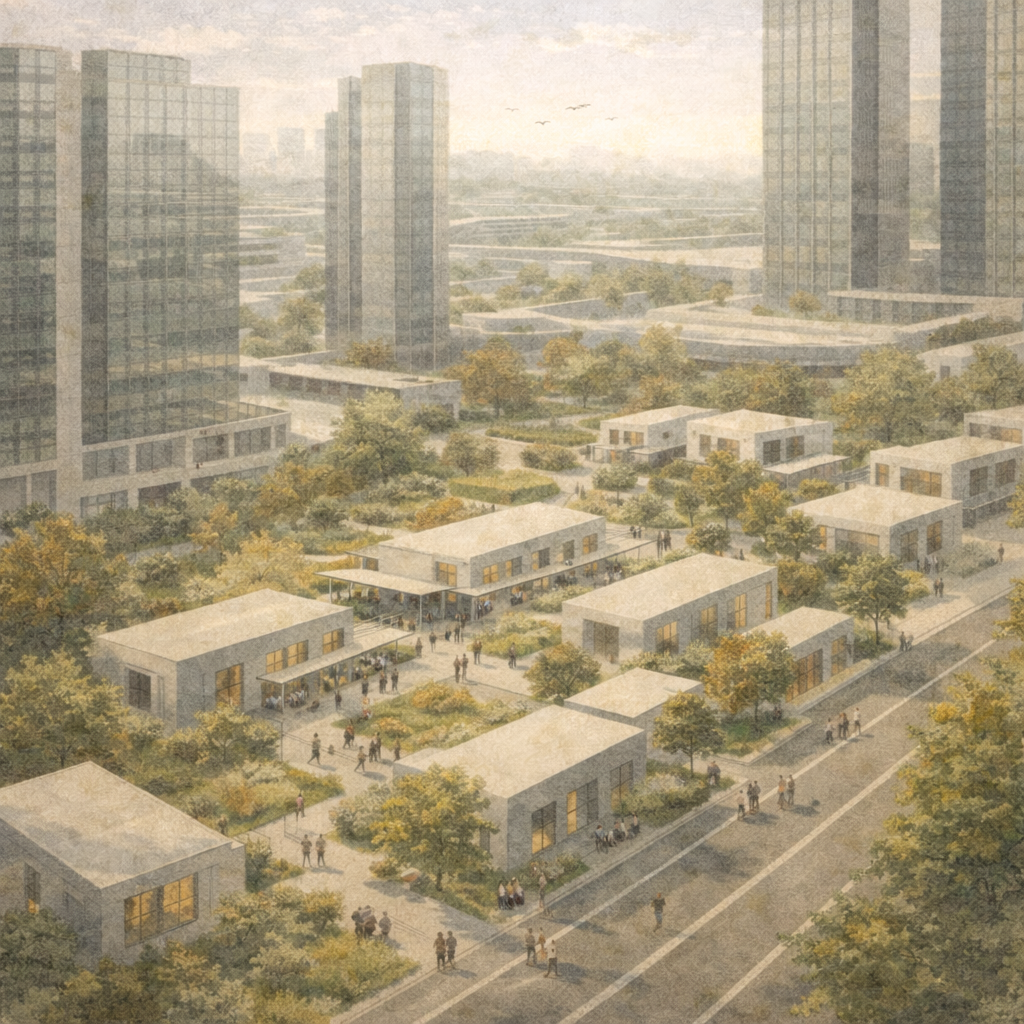
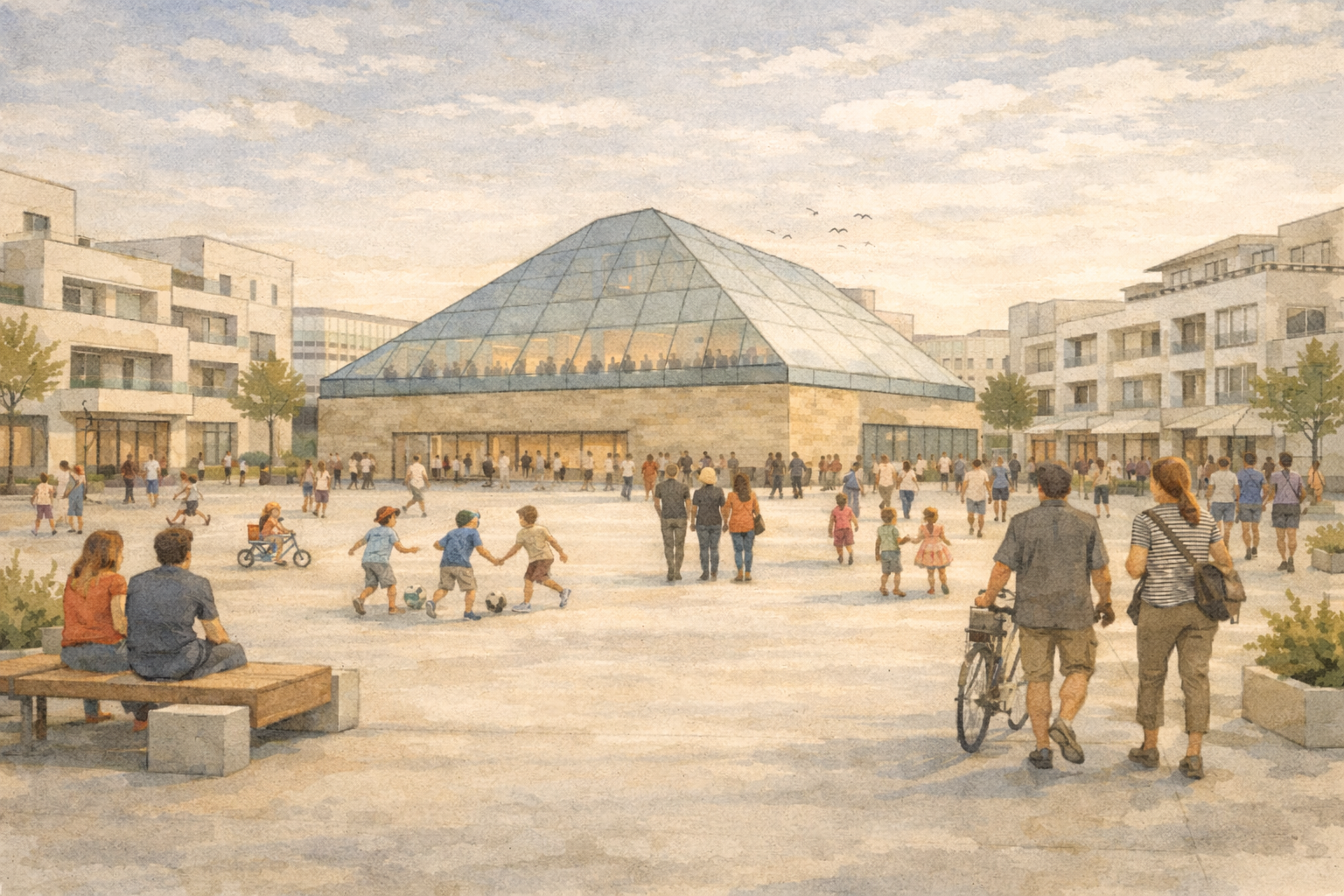
The spatial configuration proposed within the Creative Cloud framework is structured around the adaptive reuse of key industrial heritage buildings as programmatic anchors that support diverse modes of creative production. In this context, the former Electricity Factory is reprogrammed as a Digital Hub, serving as the primary technological interface of the district by accommodating co-working environments, digital fabrication laboratories, and innovation-oriented workspaces. Similarly, the Şark Industry Complex is transformed into an urban park that introduces an accessible public landscape into the previously production-dominated site, thereby reinforcing ecological continuity and social interaction. The Sümerbank complex is reconceptualized as Sümerwood — a hybrid film production plateau and film academy that integrates educational, performative, and production-oriented functions within a single spatial entity. This intervention aims to position the district as a regional center for media production and creative learning. In addition to these primary transformations, the proposal introduces a range of complementary programmatic components, including office spaces, residential units, a performing arts center, a digital library, and a series of thematic museums distributed across the site. These functions collectively contribute to the establishment of a mixed-use urban environment that operates continuously throughout the day, preventing temporal zoning and enhancing the district’s socio-economic vitality.
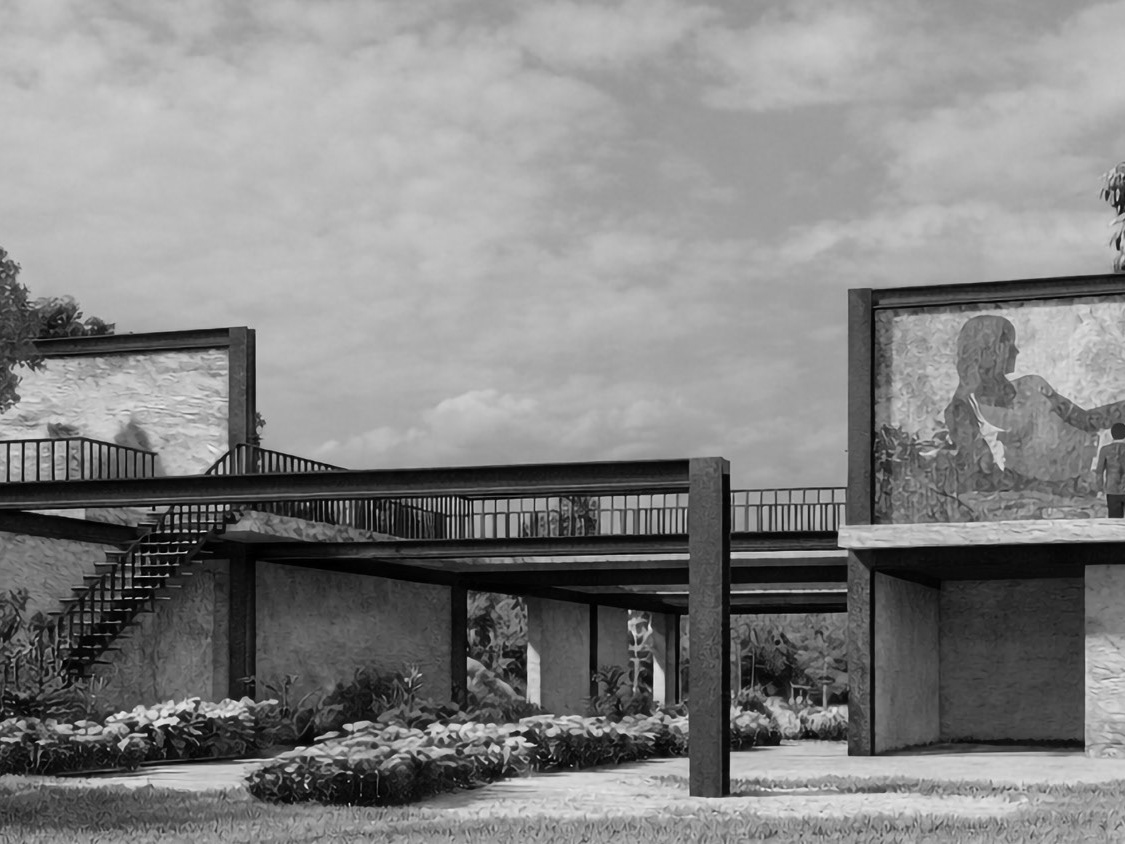
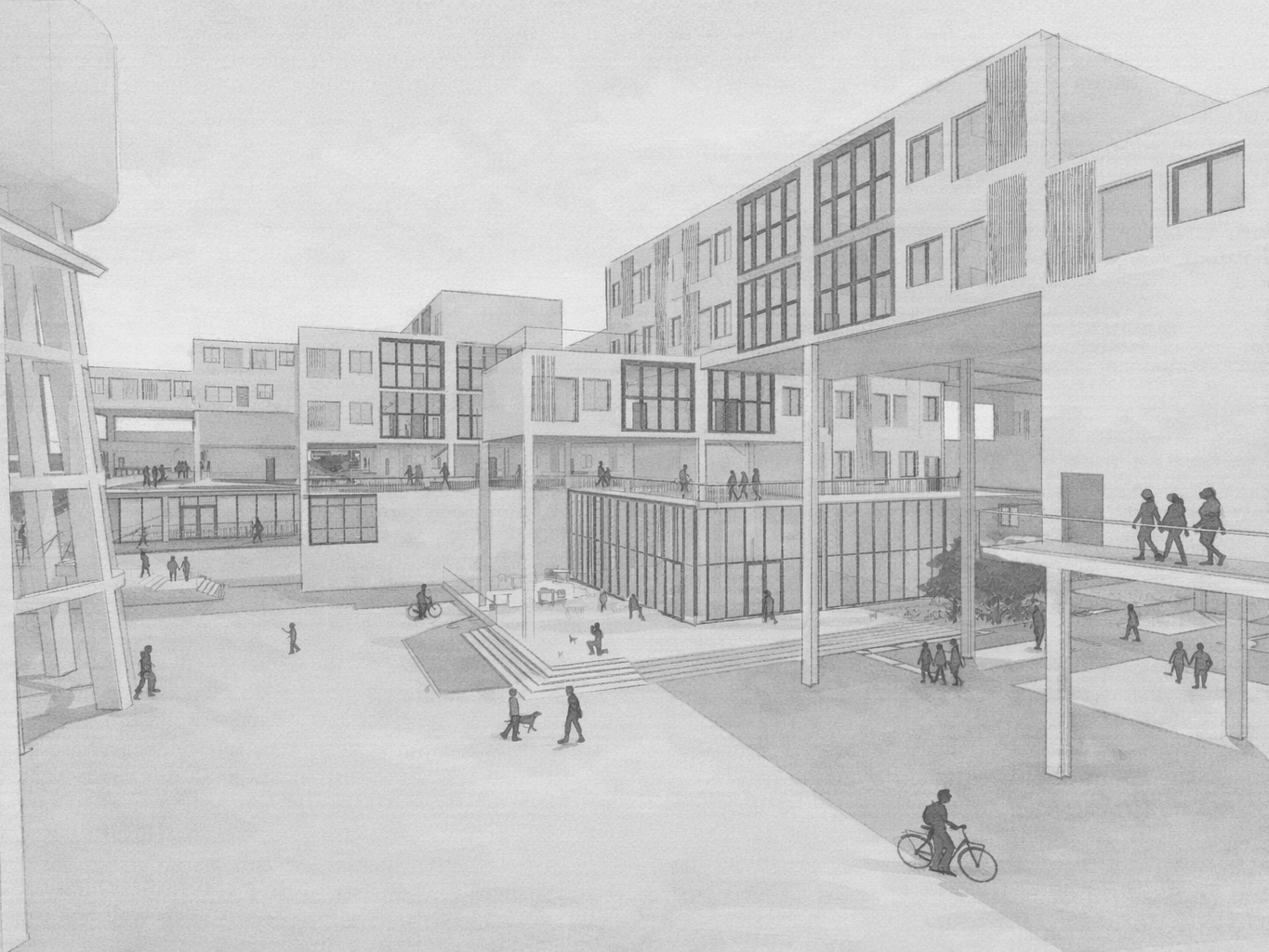
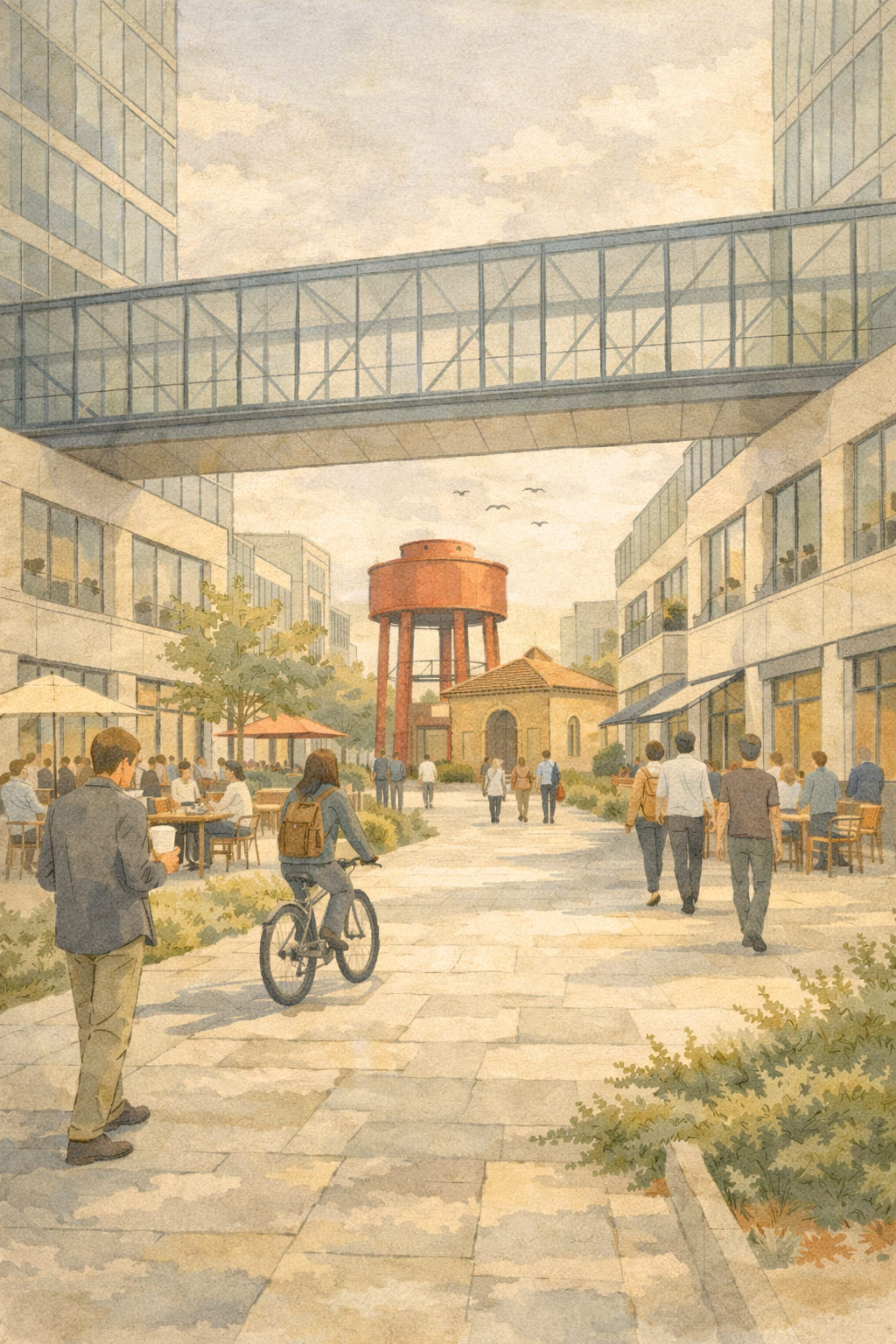
A defining spatial intervention within the project is the structed connective infrastructures that facilitate interaction between different creative clusters. These bridges operate both as circulation elements and as collaborative interfaces, enabling visual, functional, and social exchange across programmatic zones. By linking production spaces with exhibition venues, educational facilities, and residential environments, the proposed network fosters an integrated and resilient urban production ecology. Through the strategic layering of adaptive reuse, public open space, and connective infrastructures, the Creative Cloud proposal materializes its conceptual ambition as a distributed yet cohesive network of creative production embedded within the historical fabric of Limanarkası.
Projected Impact
The Creative Cloud proposal envisions the transformation of Limanarkası into a resilient urban district that integrates heritage preservation with innovation-driven development. By fostering a networked ecosystem of creative production, the project aims to stimulate local economic activity while enhancing spatial continuity and social inclusivity. Through adaptive reuse, mixed-use programming, and collaborative infrastructures, the proposed framework supports the coexistence of existing communities, cultural initiatives, and emerging industries.
The project seeks to reposition the area as an active interface between İzmir’s industrial past and its creative future, contributing to a sustainable and adaptable urban development model grounded in collective production and knowledge exchange. Through this inclusive framework, the project integrates grassroots cultural practices into the emerging urban production network, thereby reinforcing socio-spatial resilience while maintaining the collective memory embedded within the industrial landscape.
Ultimately, Creative Cloud proposes a regenerative urban development model for post-industrial sites. By embedding contemporary innovation systems within the material continuity of the existing industrial fabric, the project mediates between İzmir’s productive past and its creative future. Rather than producing a singular iconic district, the Creative Cloud establishes a flexible spatial framework capable of evolving over time in response to technological, economic, and social change. It transforms the post-industrial void into a living production ecology — an urban cloud that supports collective creativity while preserving historical continuity.
Notes:
1. AI-assisted tools were employed during the post-production phase of project visualizations.
2. The project was developed as a collaborative group work involving four contributors. The author of this portfolio contributed to the formulation of the project’s conceptual foundations and played an active role in the development of architectural interventions.
3. The project was developed within the scope of the Urban Design Studio I at Middle East Technical University (METU), under the supervision of Prof. Dr. Olgu Çalışkan.
2. The project was developed as a collaborative group work involving four contributors. The author of this portfolio contributed to the formulation of the project’s conceptual foundations and played an active role in the development of architectural interventions.
3. The project was developed within the scope of the Urban Design Studio I at Middle East Technical University (METU), under the supervision of Prof. Dr. Olgu Çalışkan.