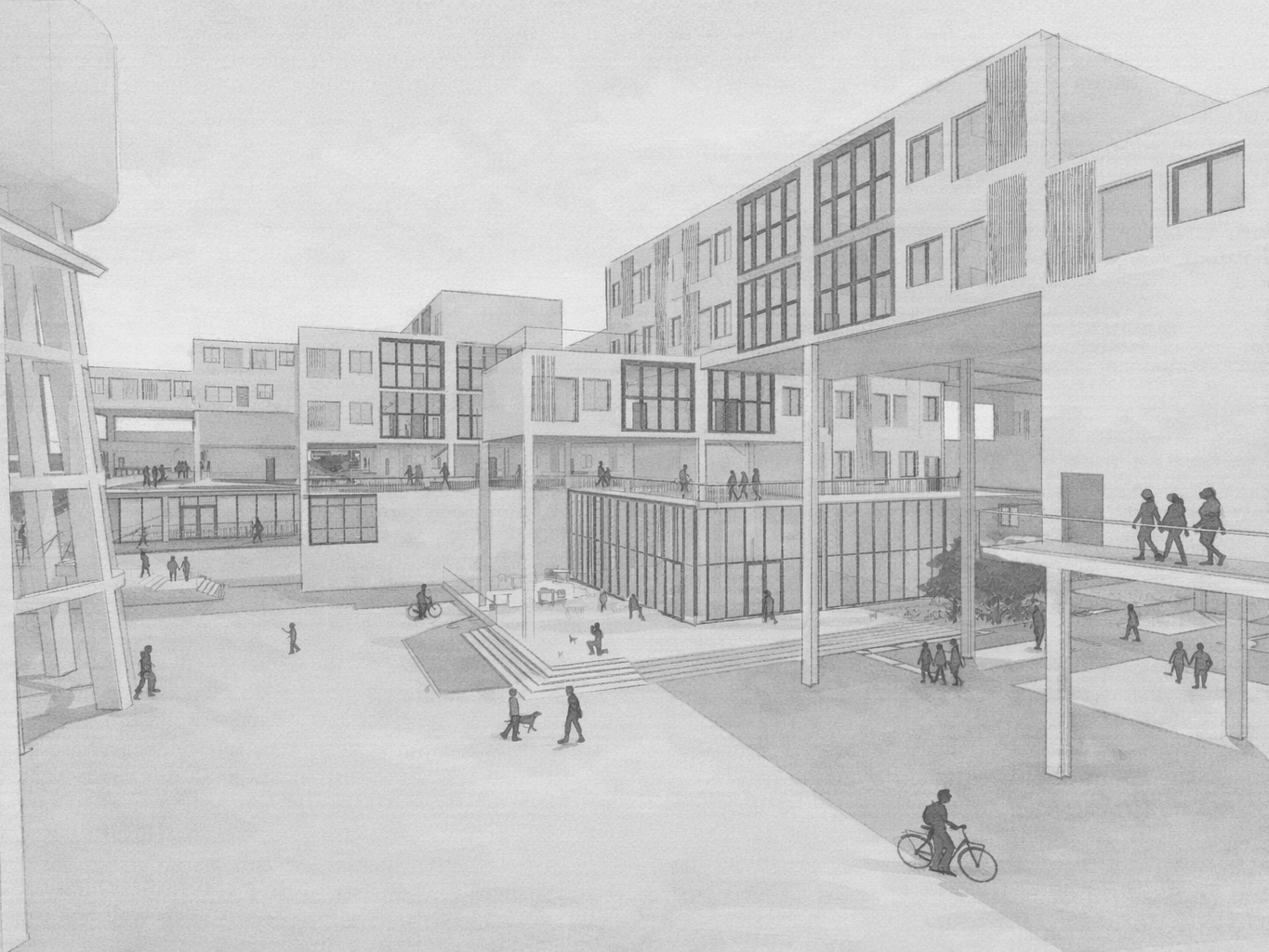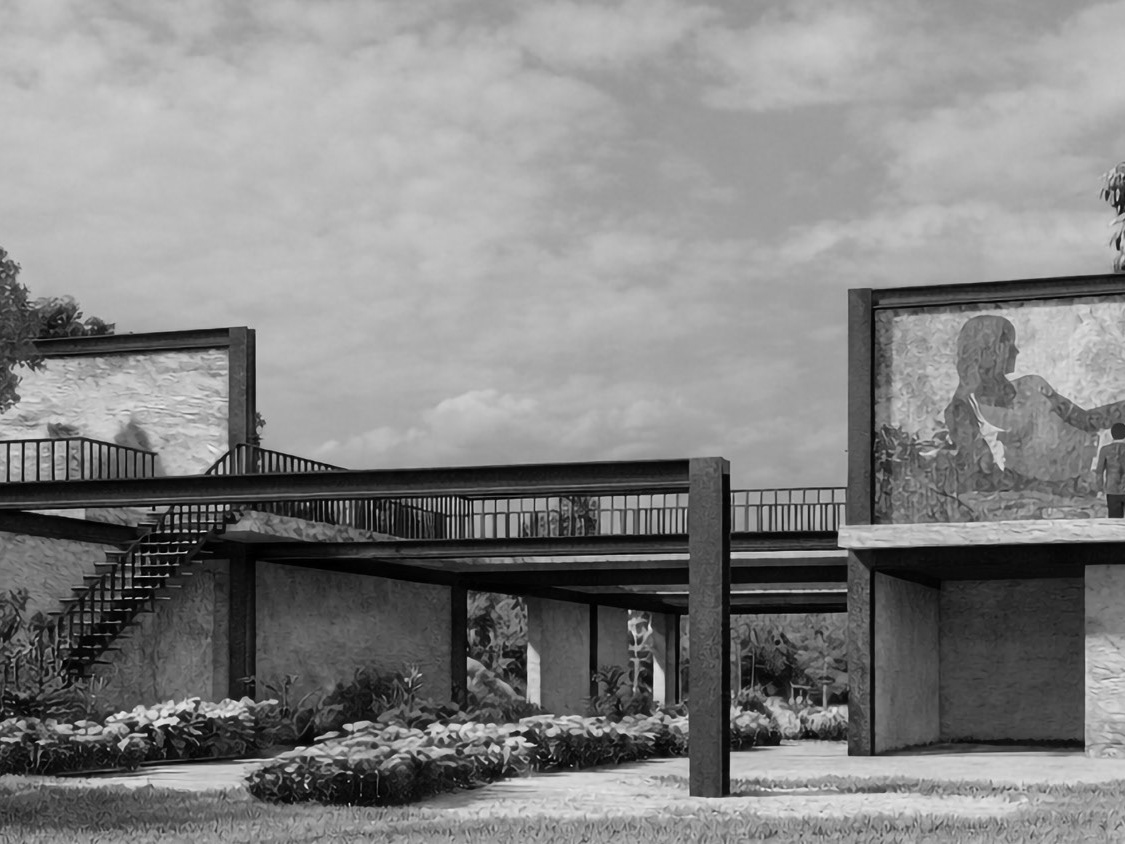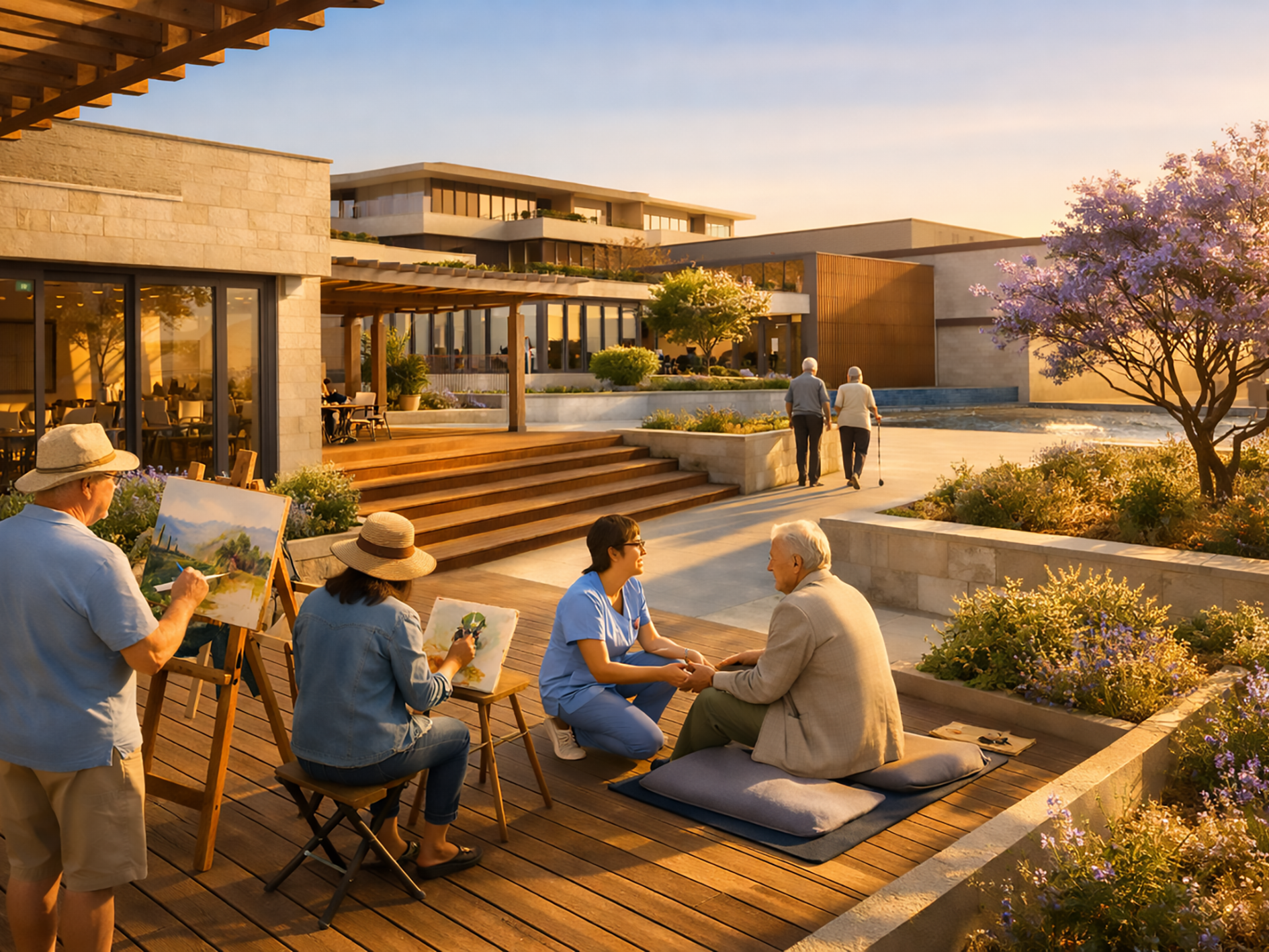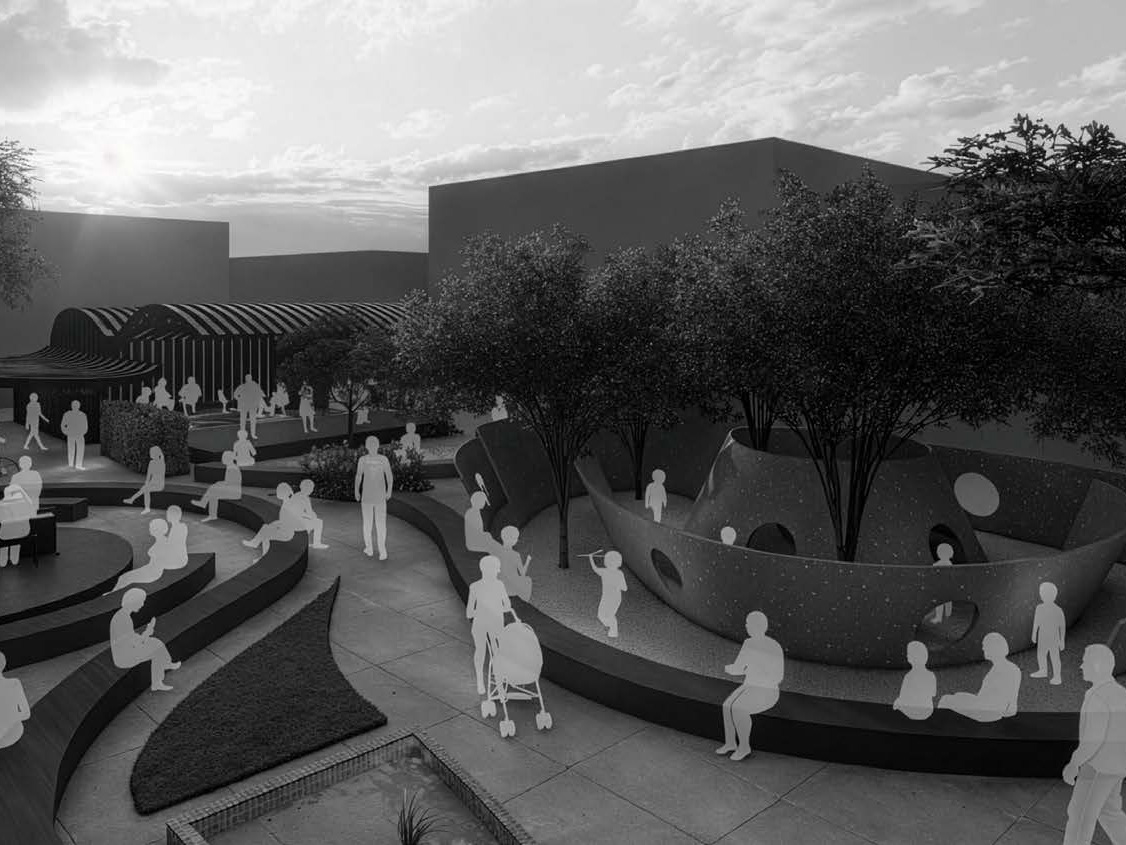
Background: RadIoactIve Landscapes In the Anthropocene
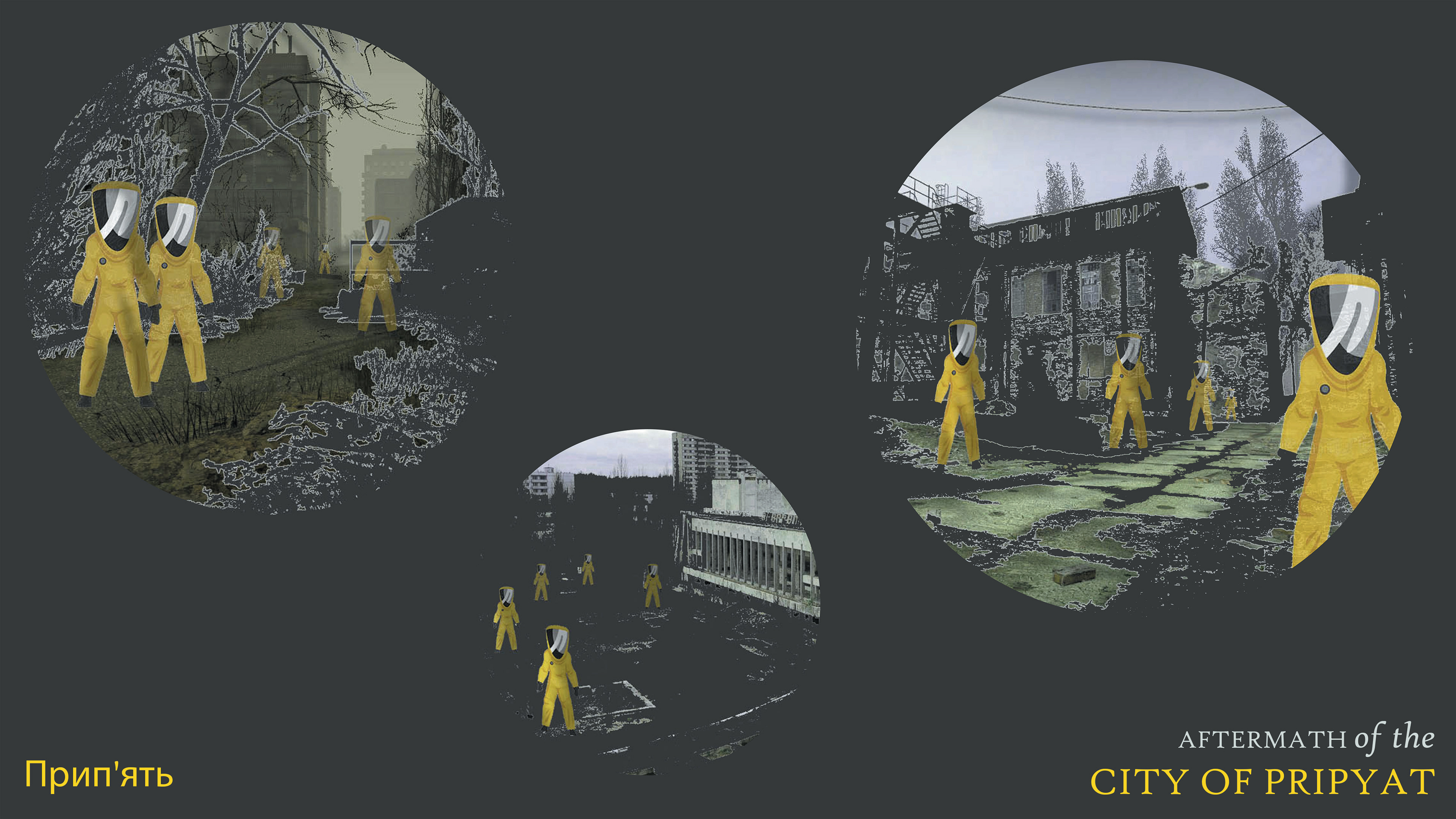
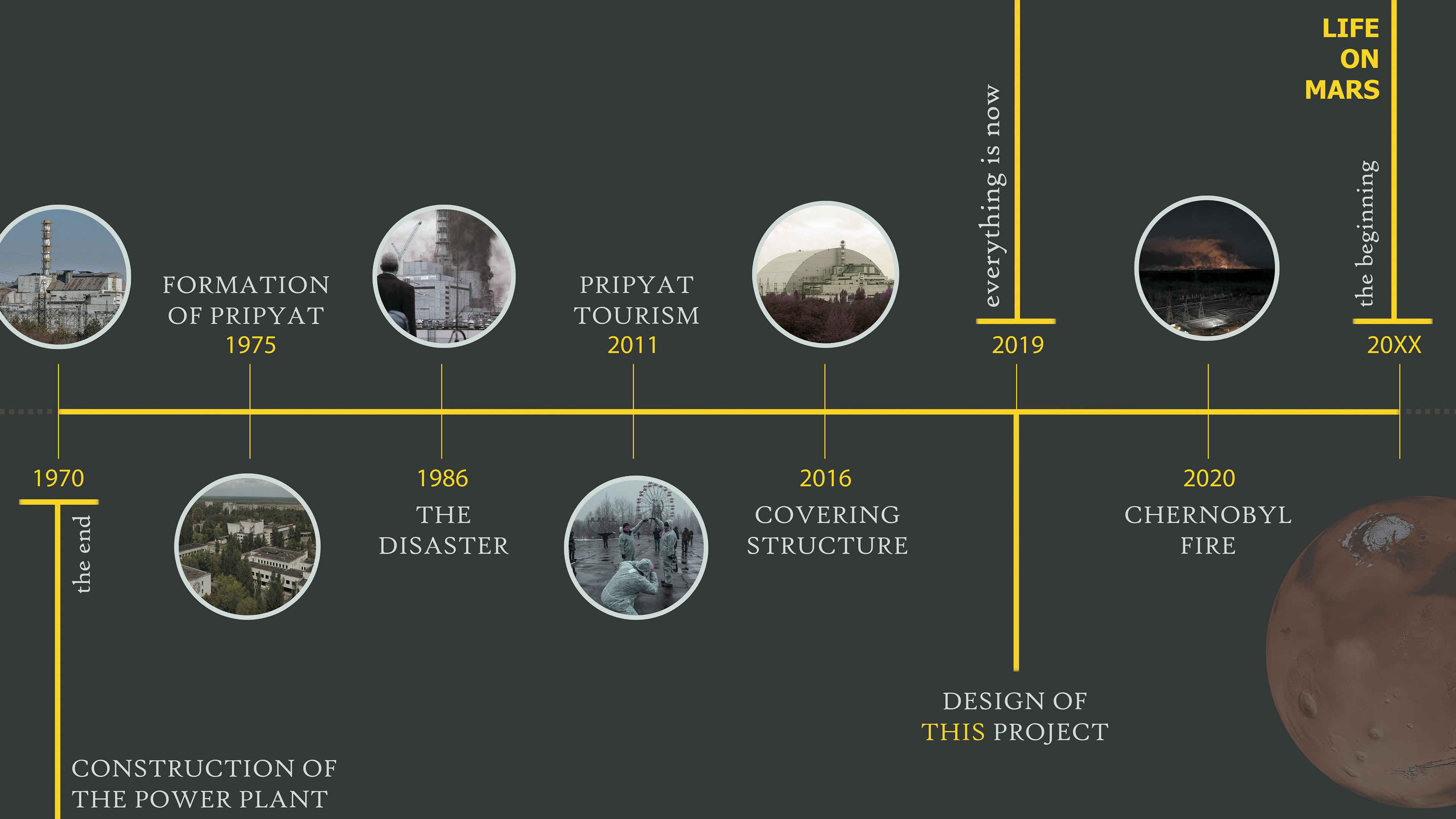
The nuclear disaster that occurred in April 1986 resulted in long-term environmental contamination whose ecological, atmospheric, and spatial consequences are projected to persist for centuries. Following the evacuation of the region, large portions of the territory surrounding the city of Pripyat within the Chernobyl Exclusion Zone remained uninhabited for decades, gradually transforming into an anthropogenically altered yet ecologically active landscape. In this sense, Chernobyl has evolved into a paradigmatic terrain of the Anthropocene, where human-induced environmental transformation has produced extreme ecological conditions that challenge conventional models of habitation. Simultaneously, contemporary scientific discourse has increasingly focused on the possibility of extraterrestrial settlement. One of the most persistent challenges in this regard is the presence of elevated levels of environmental radiation in potential off-world environments such as Mars or the Moon. Within this context, terrestrial radioactive landscapes may be reconsidered not merely as contaminated territories requiring remediation, but as experimental grounds through which adaptive spatial strategies can be developed and tested for future planetary habitation.
Research Agenda: Extreme Archıtecture and Adaptıve Habıtatıon
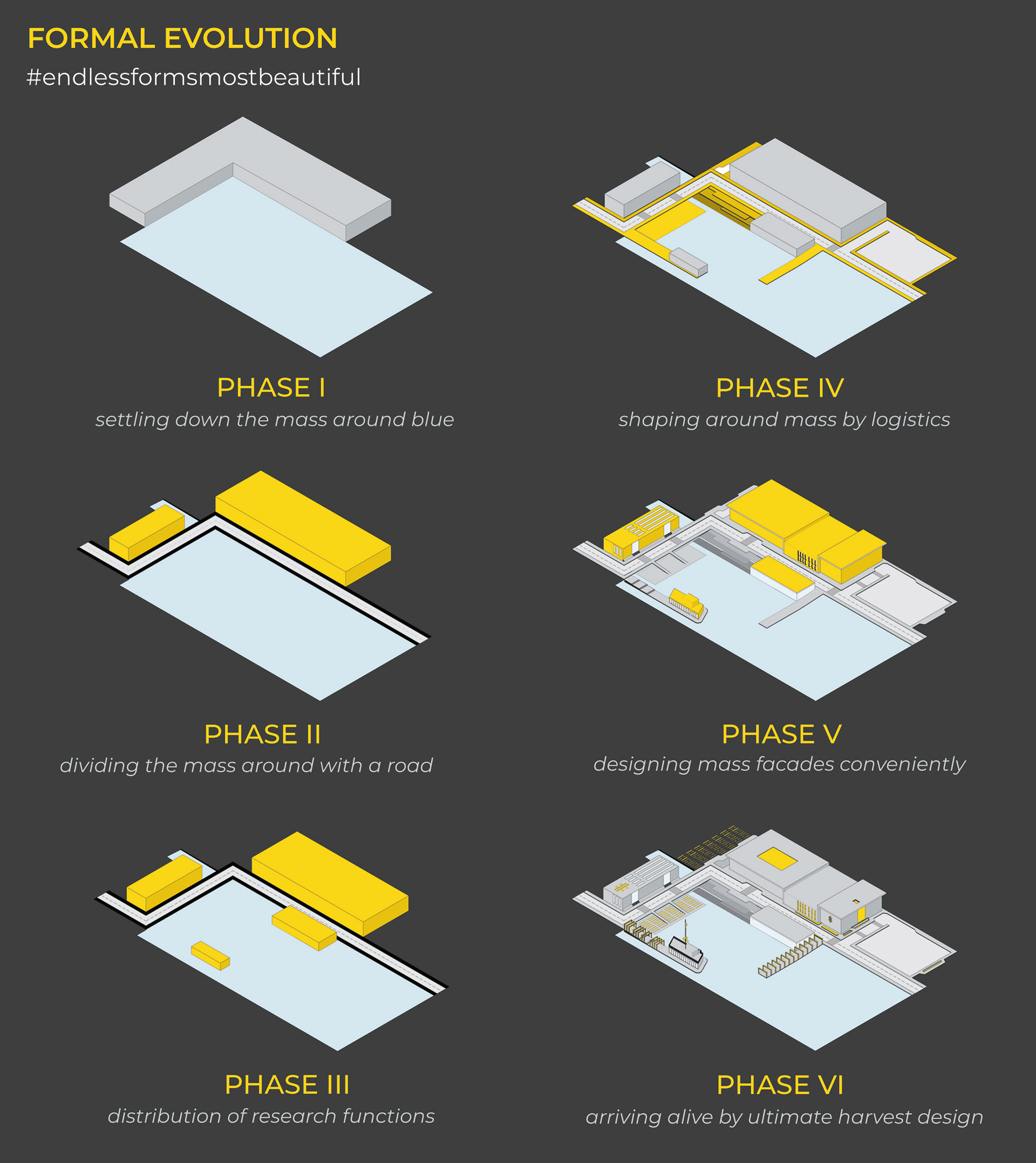
Positioned within the thematic framework of extreme architecture, this project investigates the architectural potential of transforming radiation-affected environments into productive research infrastructures. Rather than treating radioactivity exclusively as a hazard to be mitigated through avoidance, the proposal reframes it as an environmental condition that can be spatially negotiated and instrumentally utilized in the development of resilient habitation systems. The project therefore situates itself within emerging architectural discourses on resilience, environmental adaptation, and post-natural habitation, proposing a design methodology that engages with environmental extremity as a generative spatial parameter.
Sıte Condıtıon: Chernobyl Exclusıon Zone
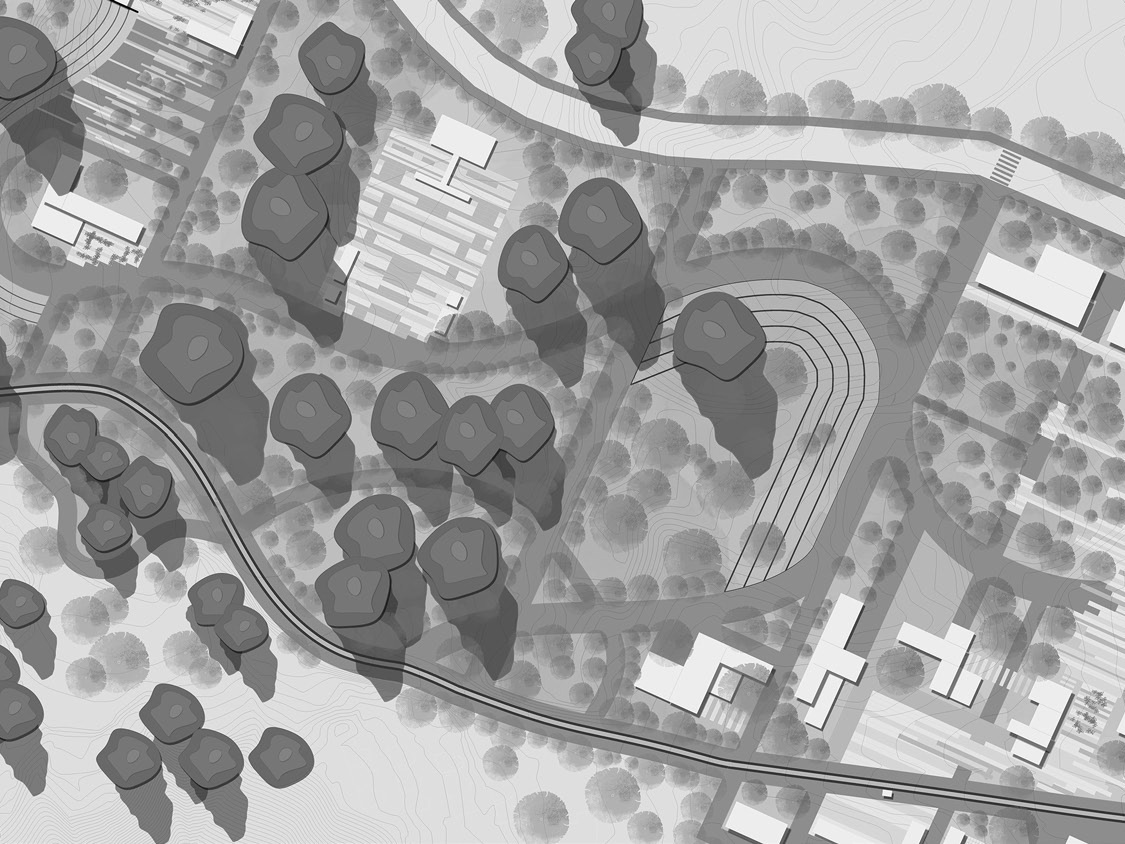
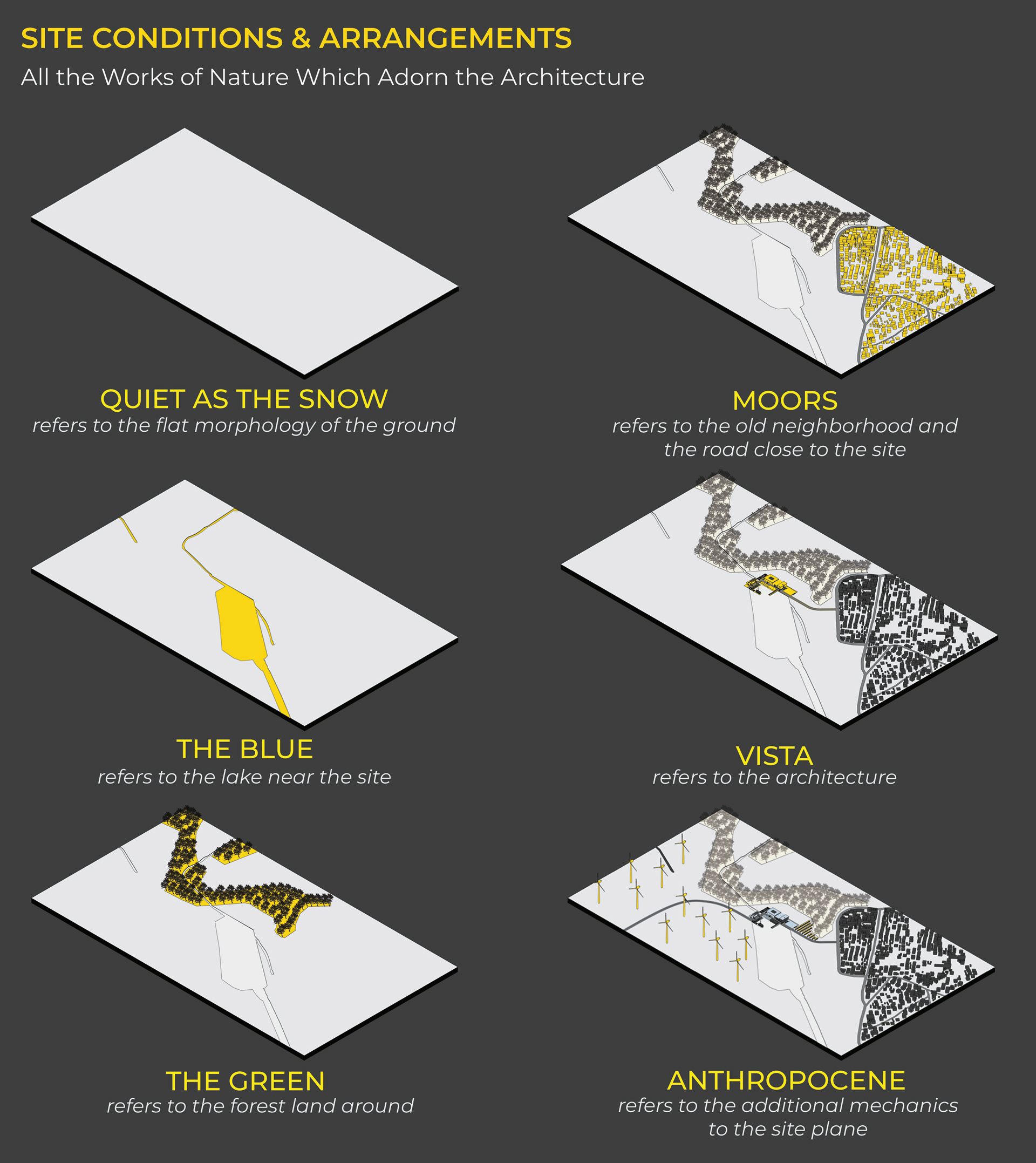
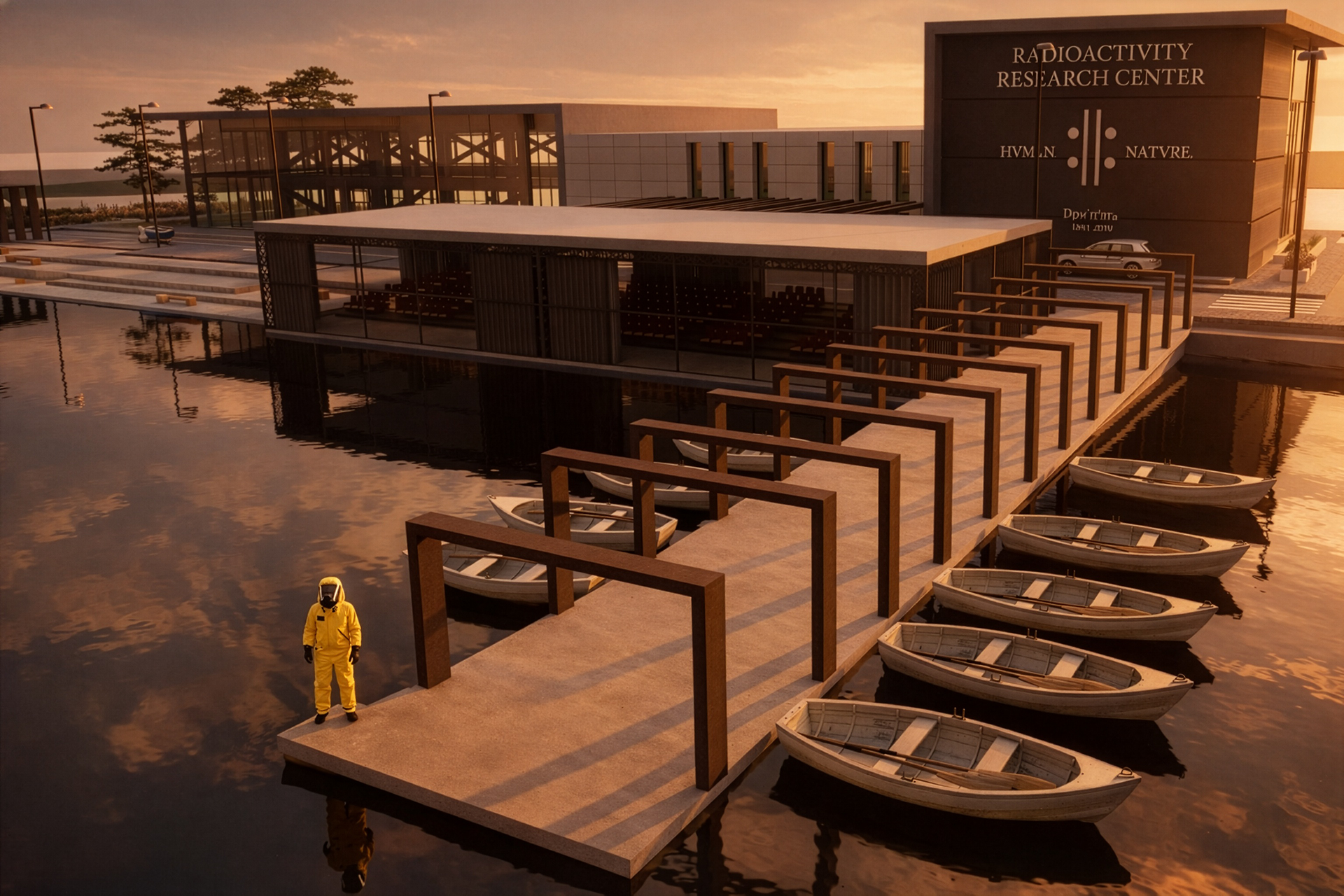
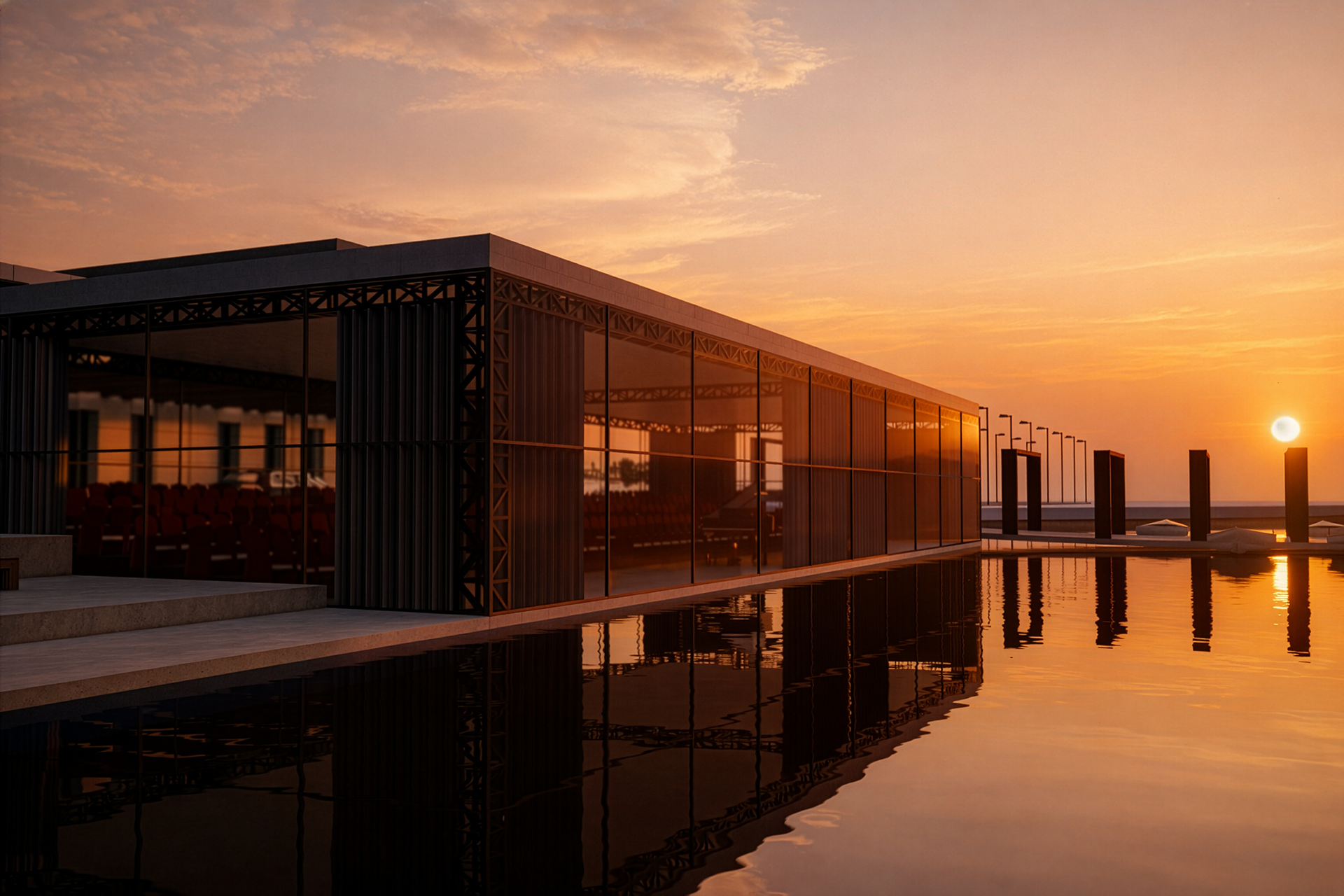
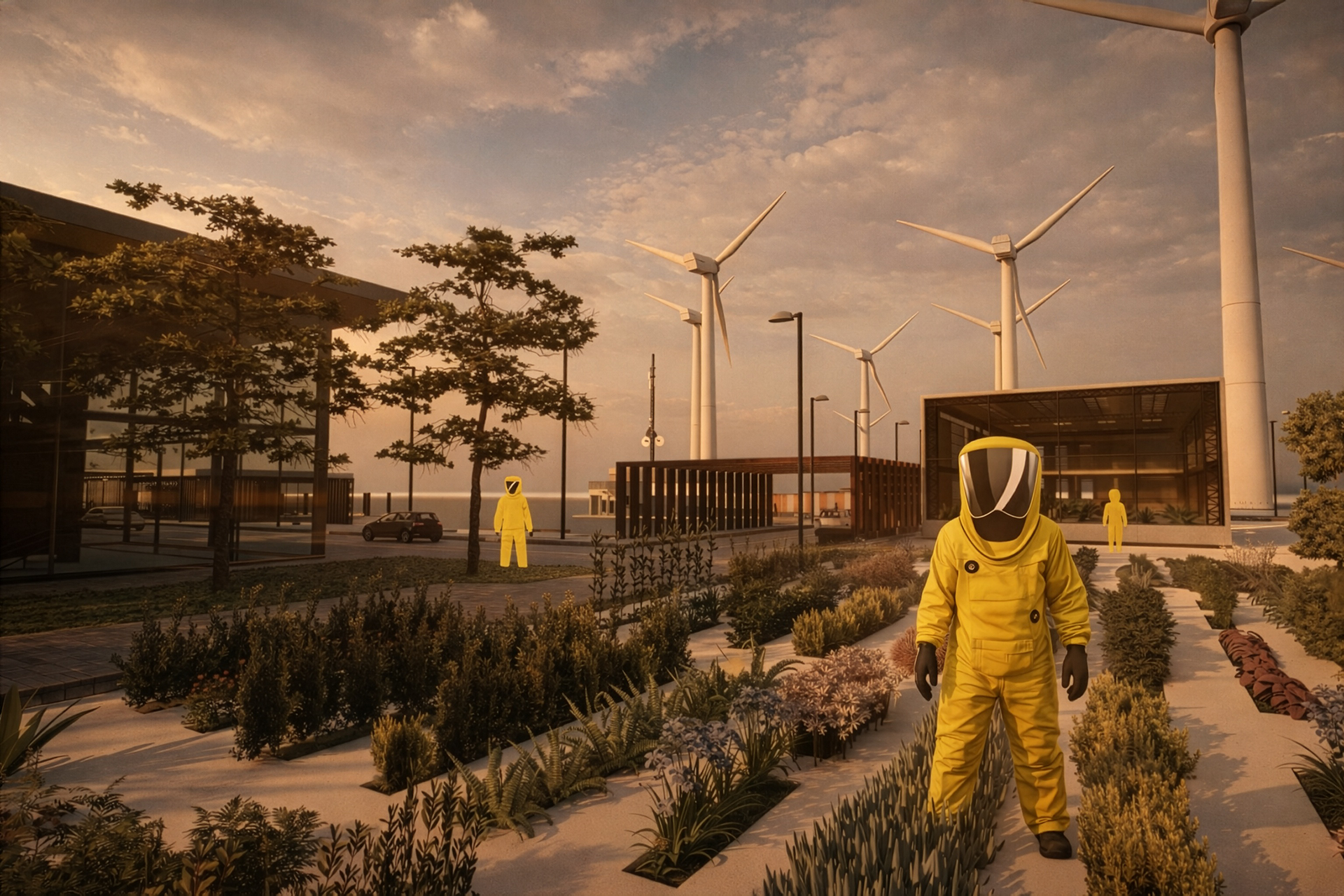
The proposed research complex is located within the Chernobyl Exclusion Zone, approximately seven to eight kilometers outside the abandoned city of Pripyat, where it occupies a site along the shoreline of a naturally occurring lake system. This specific geographical condition enables the simultaneous investigation of terrestrial, hydrological, and atmospheric radioactive interactions, thereby offering a comprehensive environmental testing ground for adaptive habitation models.
The proximity to both contaminated soil strata and aquatic ecosystems allows the facility to examine radiation not as an abstract environmental parameter, but as a materially embedded spatial agent that actively shapes inhabitation conditions.
Programmatıc Organızatıon: Hybrıd Research Infrastructure
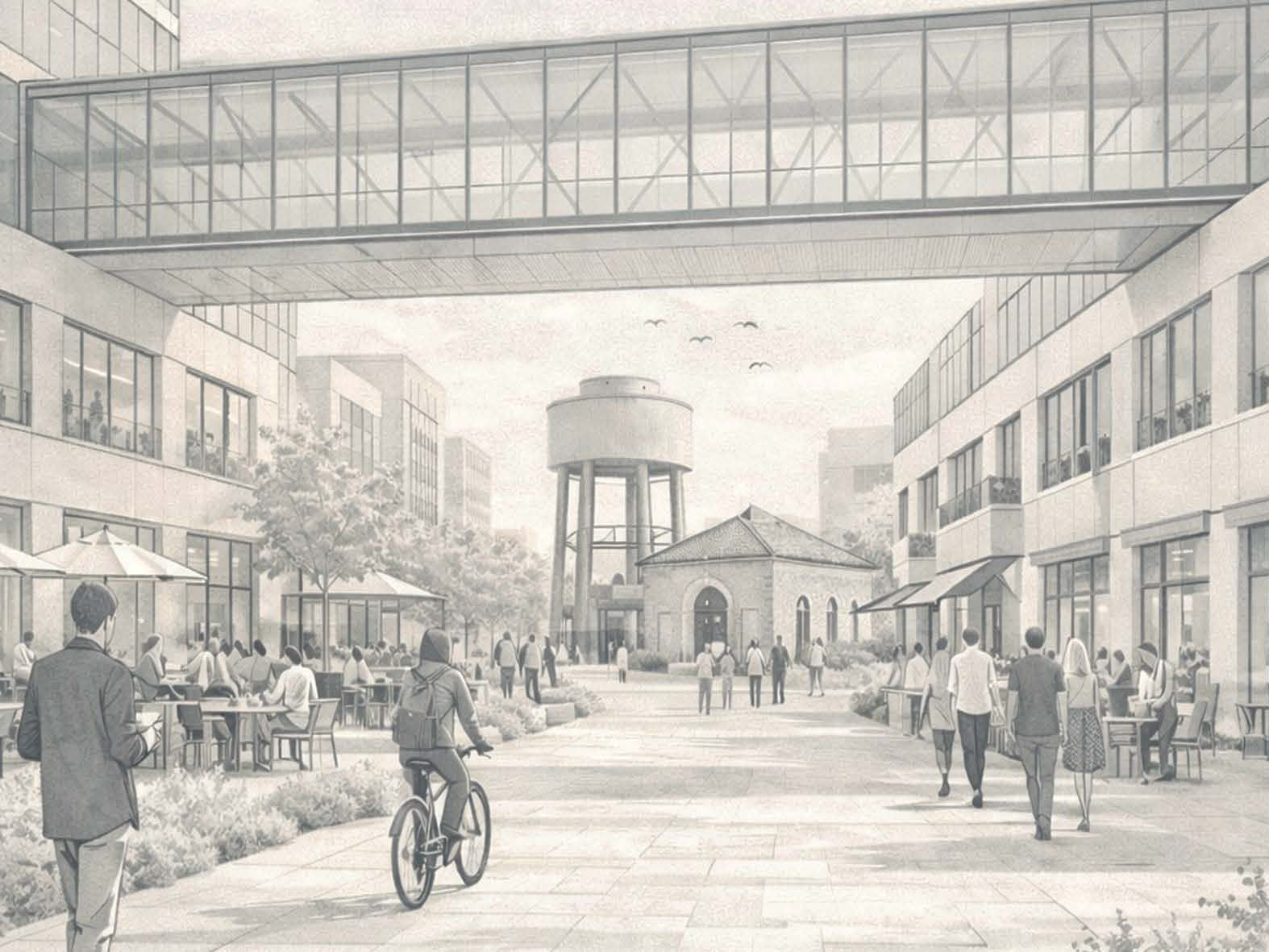
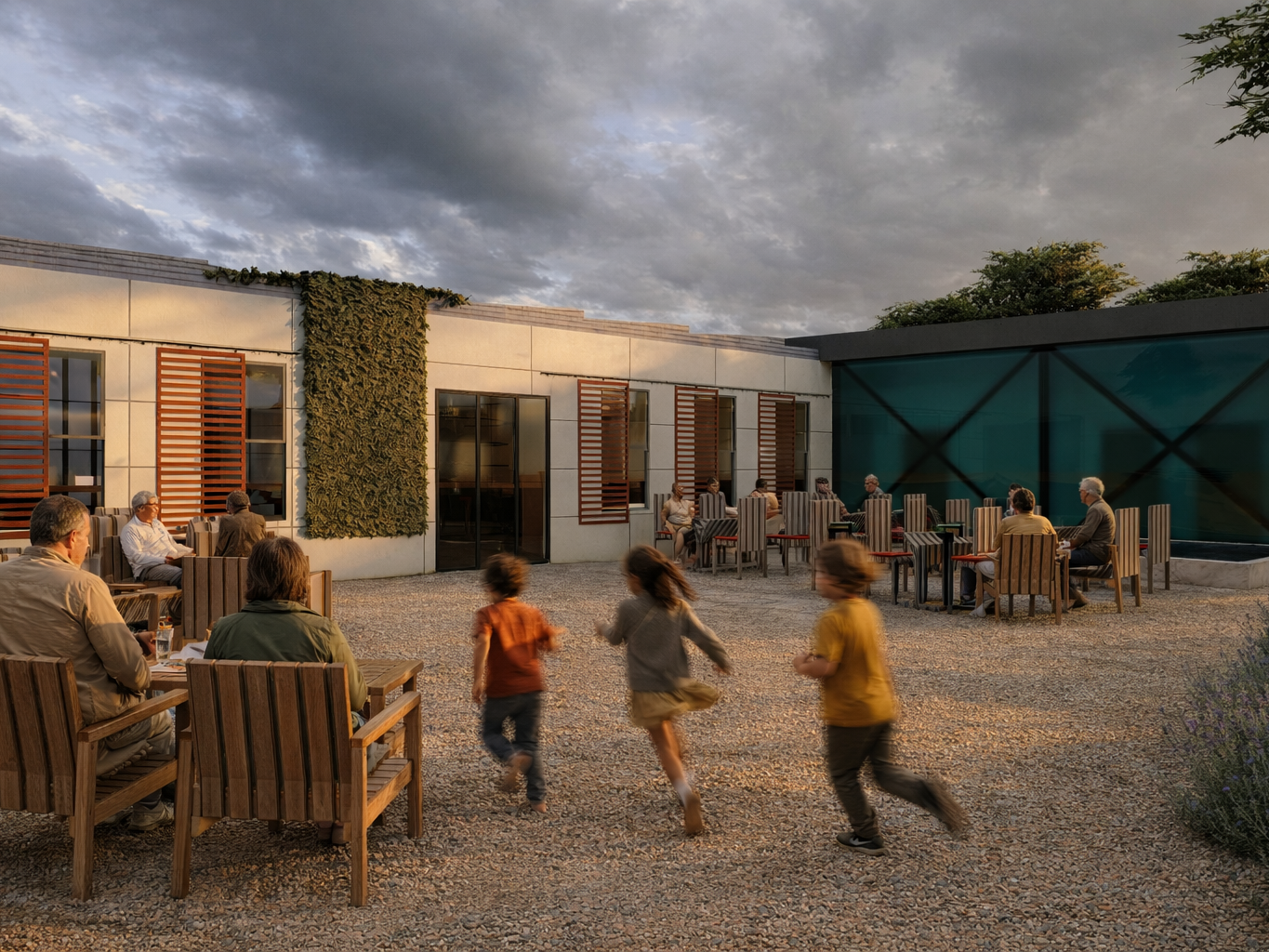
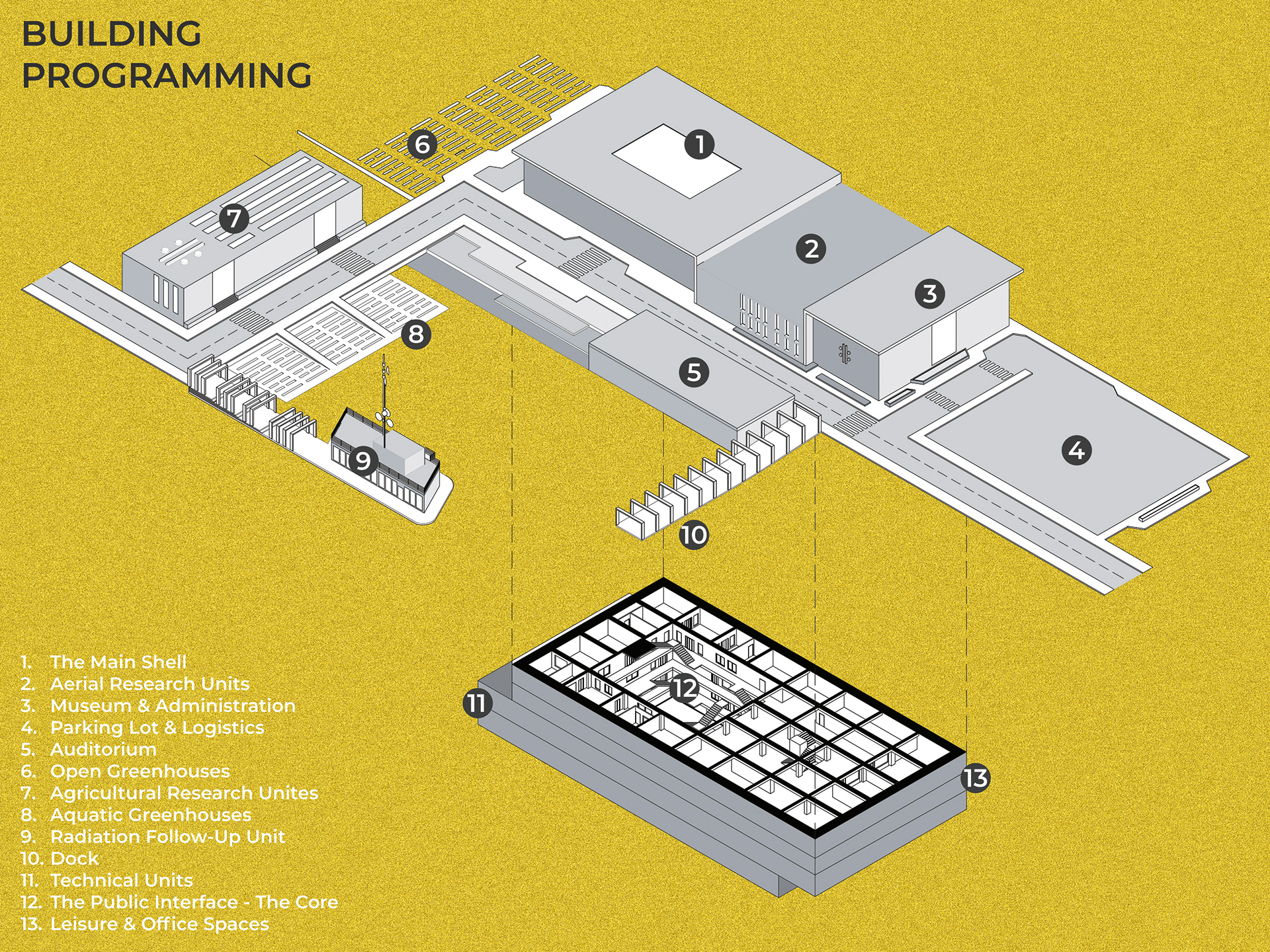
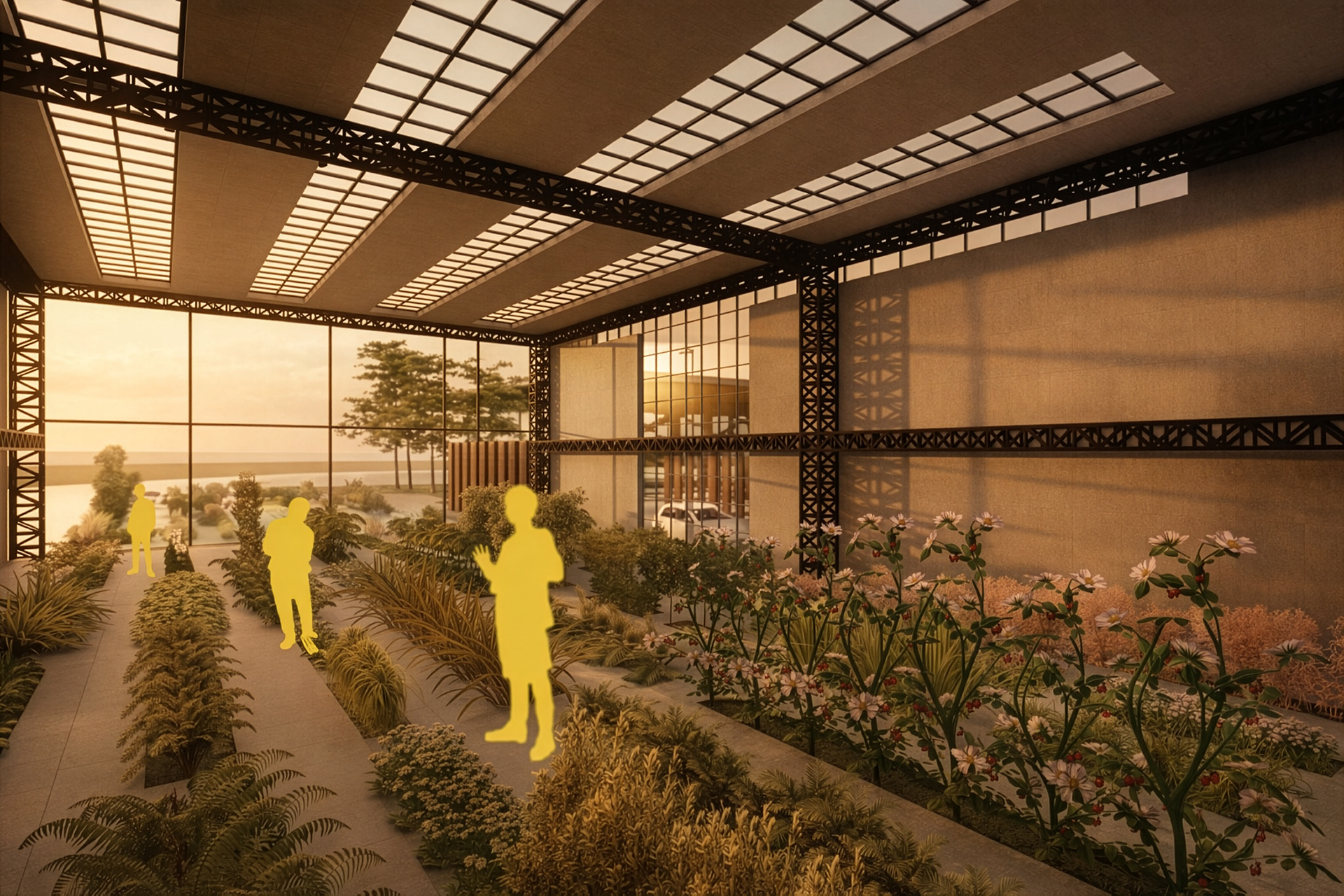
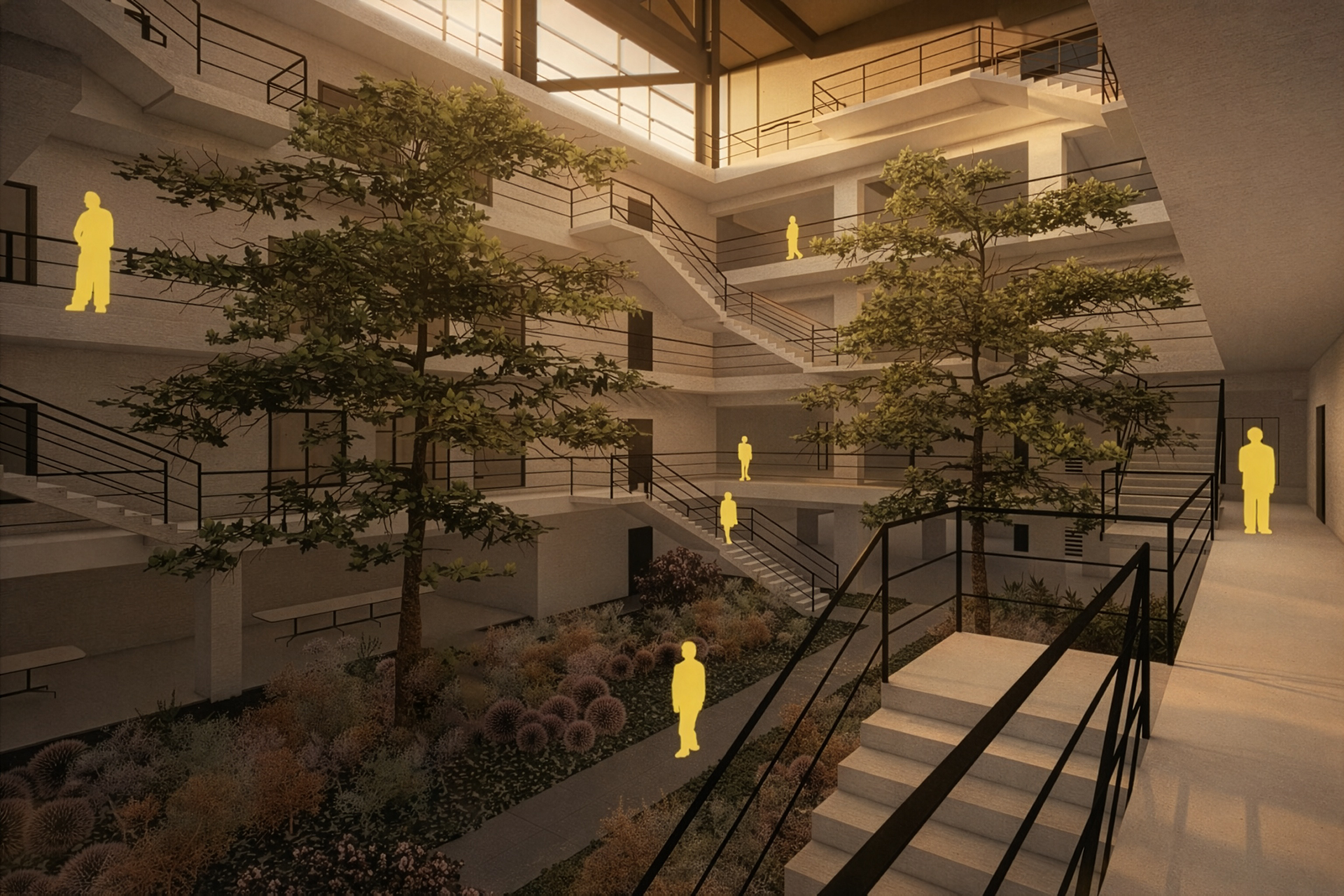
Conceived as a hybrid research infrastructure, the proposed facility accommodates both subterranean and above-ground scientific investigations. The primary objective of the project is to enable scientists to conduct long-term outdoor experiments within radioactive environmental conditions while maintaining indoor environments that comply with acceptable exposure thresholds for extended human occupation. Predominantly designed as a residential research facility, the complex supports prolonged habitation by scientific personnel engaged in environmental monitoring, material experimentation, and adaptive habitat studies under extreme environmental stressors. Programmatic components —including laboratory units, habitation modules, circulation systems, and environmental monitoring stations— are classified according to their functional requirements and distributed in relation to measured and projected radiation gradients across the site.
Conceptual Framework: Archıtecture as Medıator
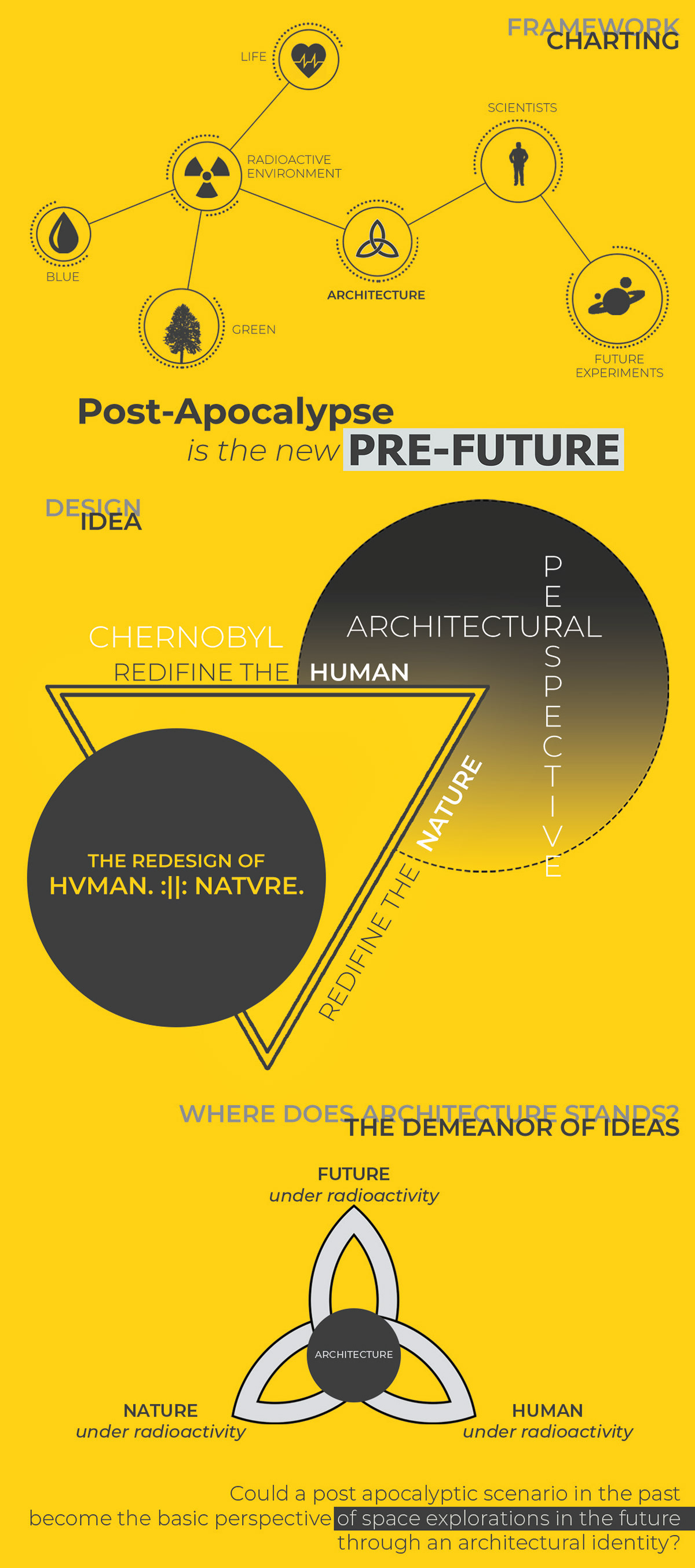
The conceptual framework of the project is structured around the reinterpretation of environmental inputs —namely hydrological systems (blue), ecological patterns (green), and biological life cycles— within a radioactive context produced by anthropogenic intervention. These components collectively constitute an extreme environmental condition in which radioactivity emerges not only as a contaminant, but as a spatial parameter capable of redefining inhabitation.
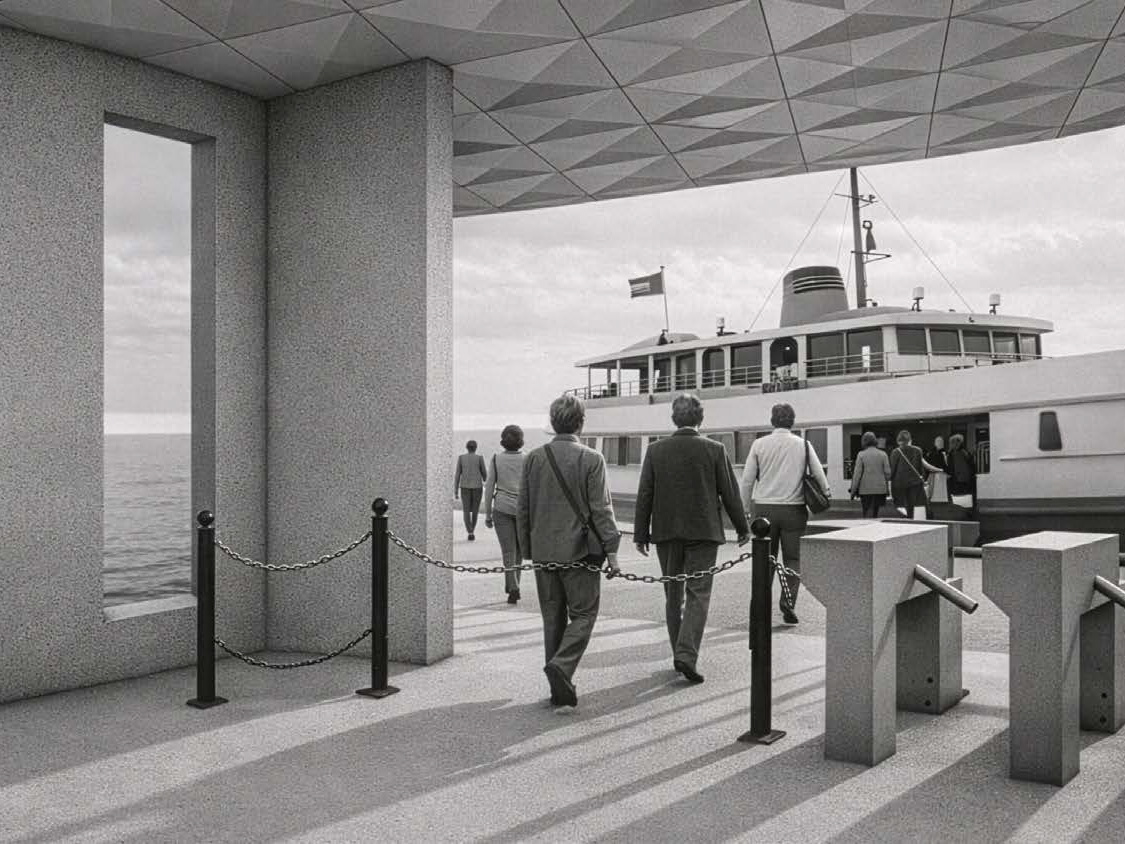
Within this framework, architecture assumes the role of a mediating interface between human occupation and contaminated ecosystems. Acting as a spatial negotiator, the architectural intervention regulates varying degrees of exposure between protected interior environments and radioactive exterior conditions, thereby enabling the controlled presence of scientific communities within the site.
This mediated occupation facilitates long-term adaptation processes, allowing scientists to engage in observational and experimental practices under extreme environmental stressors. Through such practices, the radioactive landscape is transformed into a testing ground for future-oriented spatial strategies, particularly in relation to extraterrestrial habitation scenarios where radiation constitutes a primary environmental constraint. In this respect, architecture operates at the intersection of nature, human presence, and future experimentation under radioactive conditions.
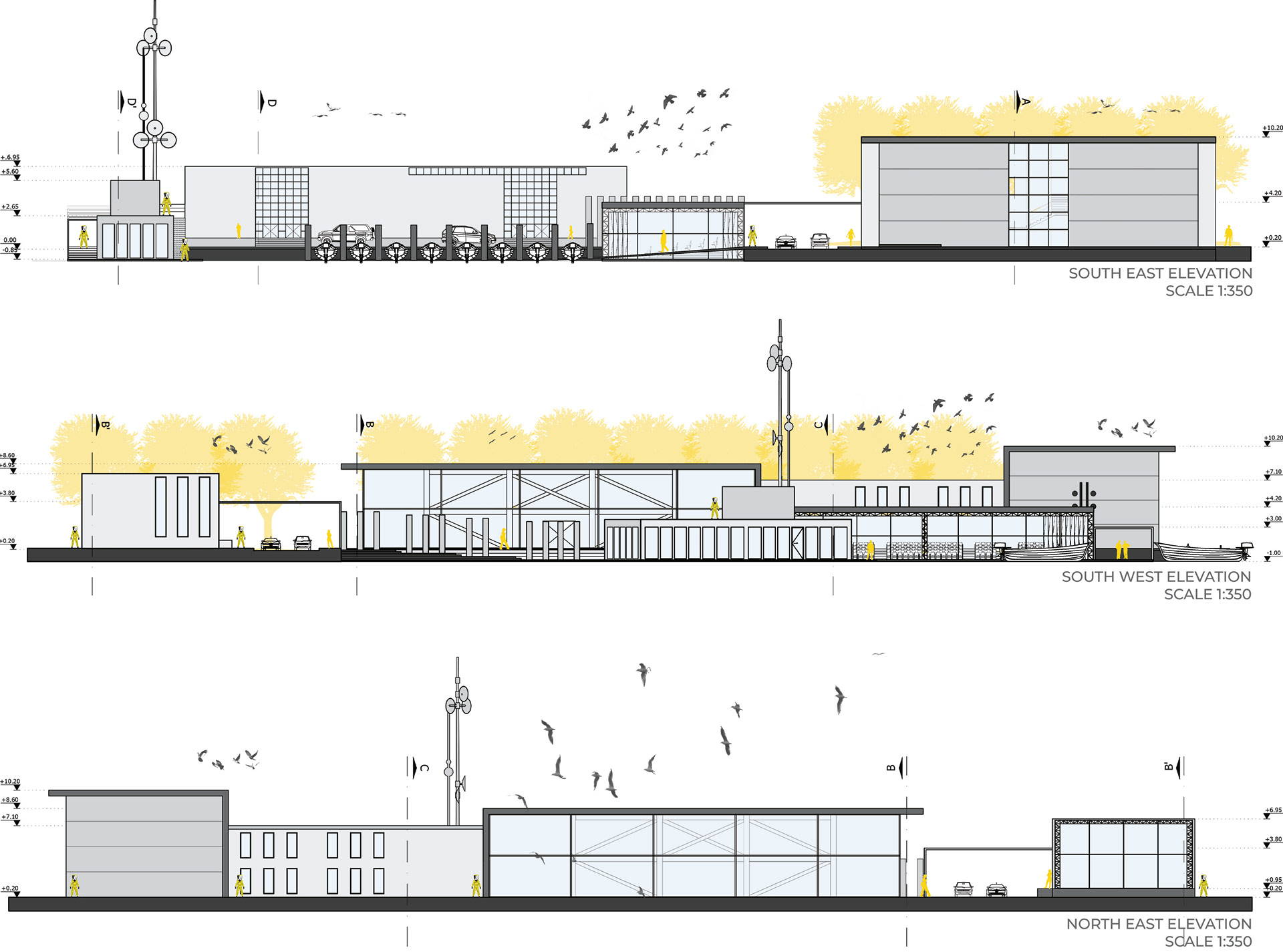
Spatıal Strategy: Radıatıon Mıtıgatıon
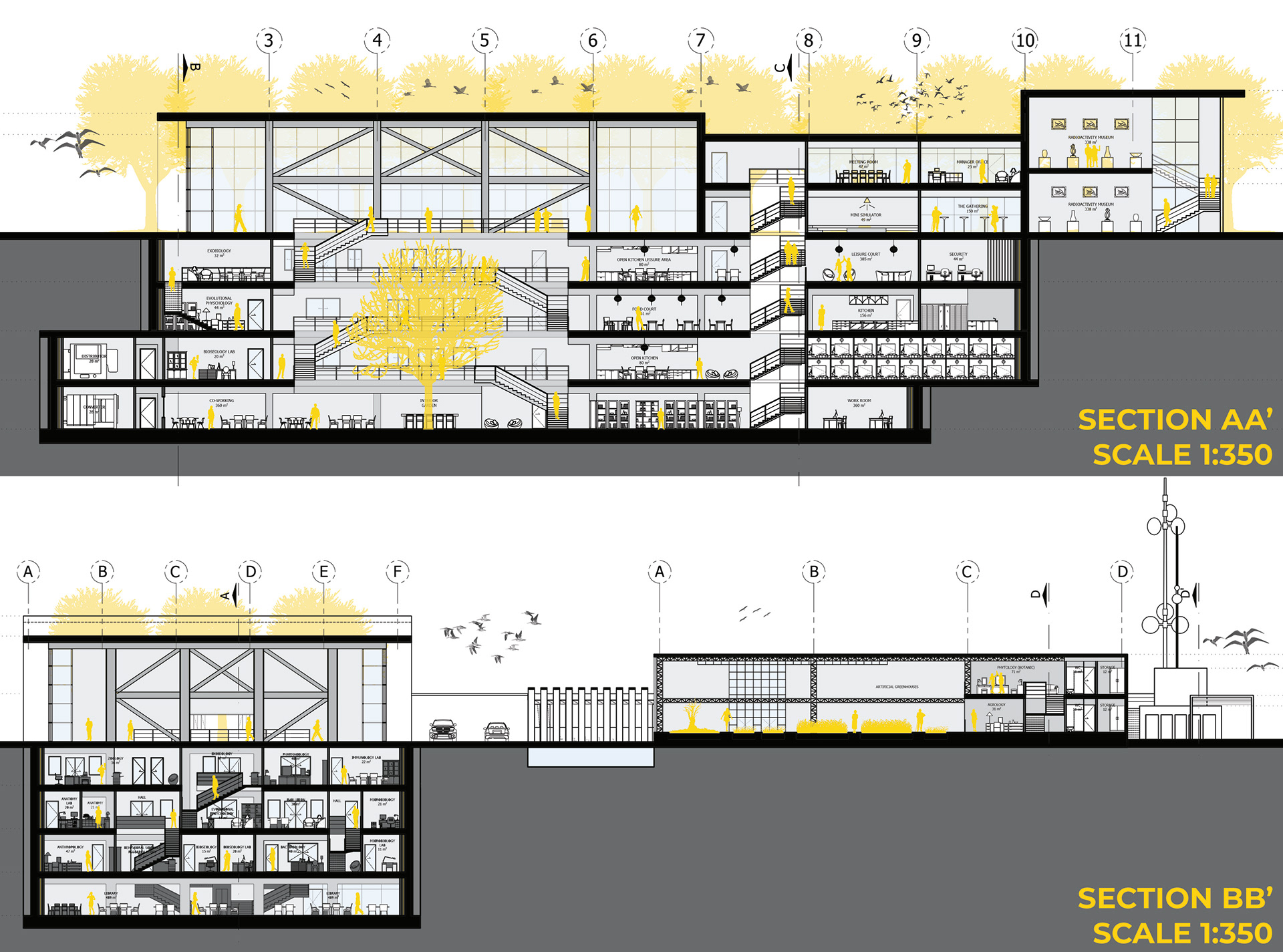
The architectural strategy is structured around minimizing the negative impacts of airborne and soil-based radiation —particularly soil-transmitted contamination— through spatial layering, material shielding, topographical manipulation, and controlled ground interfaces.
Subterranean laboratory units are embedded within the terrain in order to benefit from the natural shielding properties of earth mass, while selectively elevated above-ground research platforms facilitate observational and experimental studies in direct environmental contact with the radioactive landscape. In this respect, the design operates through a calibrated spatial gradient that mediates varying degrees of exposure between protected interior environments and contaminated exterior conditions.
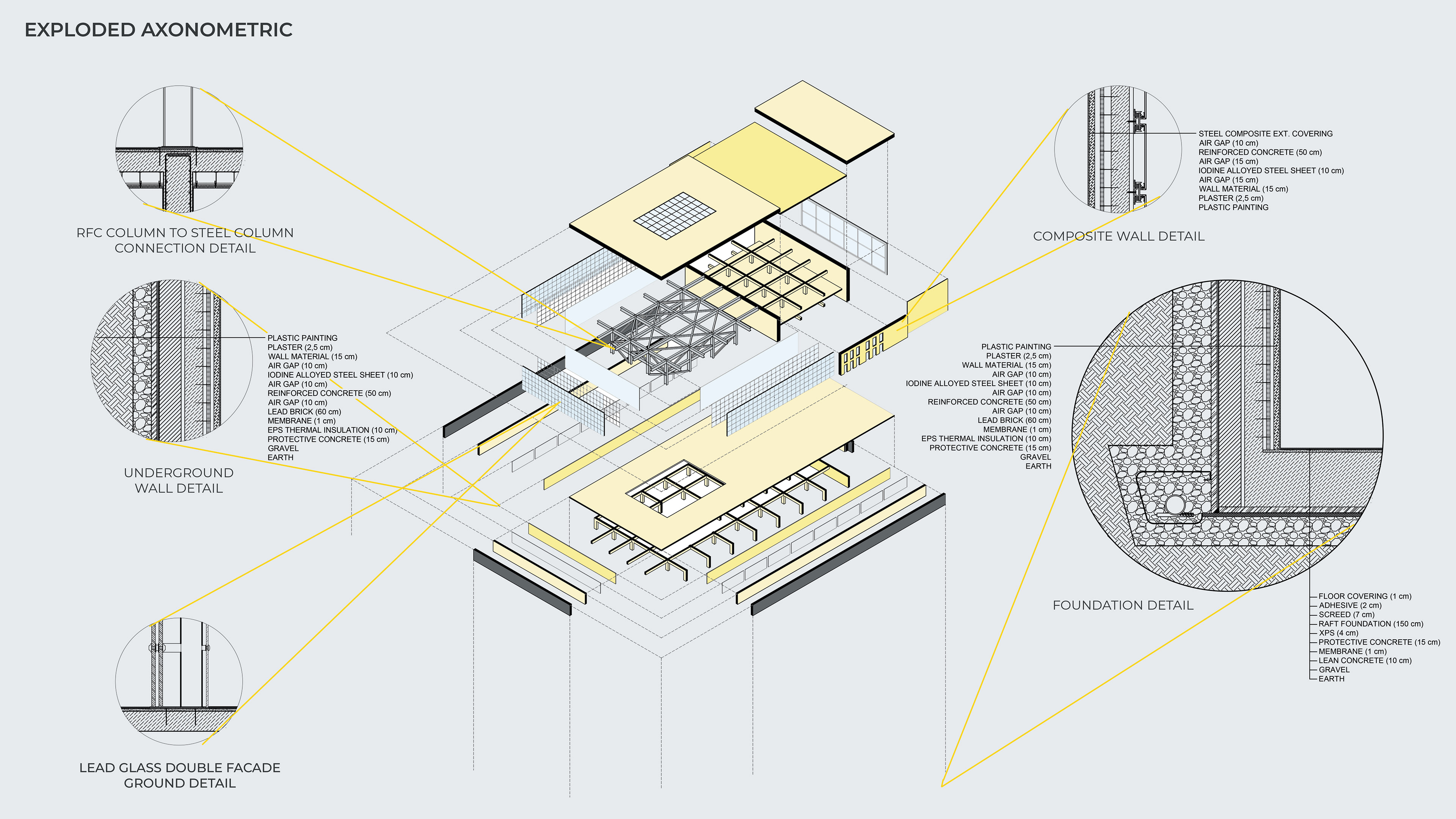
Buıldıng Physıcs: Envıronmental Control System
The exploded axonometric system drawing illustrates the environmental control and radiation mitigation strategies integrated into the structural and envelope systems of the proposed research facility. The design operates through a layered shielding approach that responds to both airborne radioactive particles and soil-transmitted radiation, which constitutes the primary source of environmental exposure within the Chernobyl Exclusion Zone.
Subterranean programmatic units are embedded within the terrain in order to utilize the natural mass of the earth as a passive radiation barrier. This configuration reduces gamma radiation penetration originating from contaminated soil layers through increased material density and depth. The underground wall assemblies are therefore composed of reinforced concrete structural layers, lead brick shielding components, EPS-based thermal insulation, and protective membranes, which collectively function to attenuate radiological transmission while maintaining interior environmental stability.
Above-ground laboratory and observation units are enclosed within composite wall systems designed as multi-layered protective envelopes. These assemblies integrate iodine-alloyed steel sheets, reinforced concrete cores, air cavities, and internal plaster finishes in order to regulate airborne contamination through material density variation and controlled ventilation gaps. The incorporation of air layers between shielding materials contributes to the reduc-tion of radiation transfer via secondary scattering effects.
In addition, double-skin façade systems composed of lead-glass panels are implemented in order to filter incoming radiation while preserving daylight penetration and visual permeability. This façade configuration operates as an active environmental buffer zone that enhances both radiological protection and thermal performance. Foundation systems are similarly calibrated to prevent upward radiation transmission through contaminated ground conditions. Layered gravel beds, protective concrete slabs, and membrane insulation systems are employed as capillary and radiological breaks between the contami-nated soil strata and occupied interior environments.
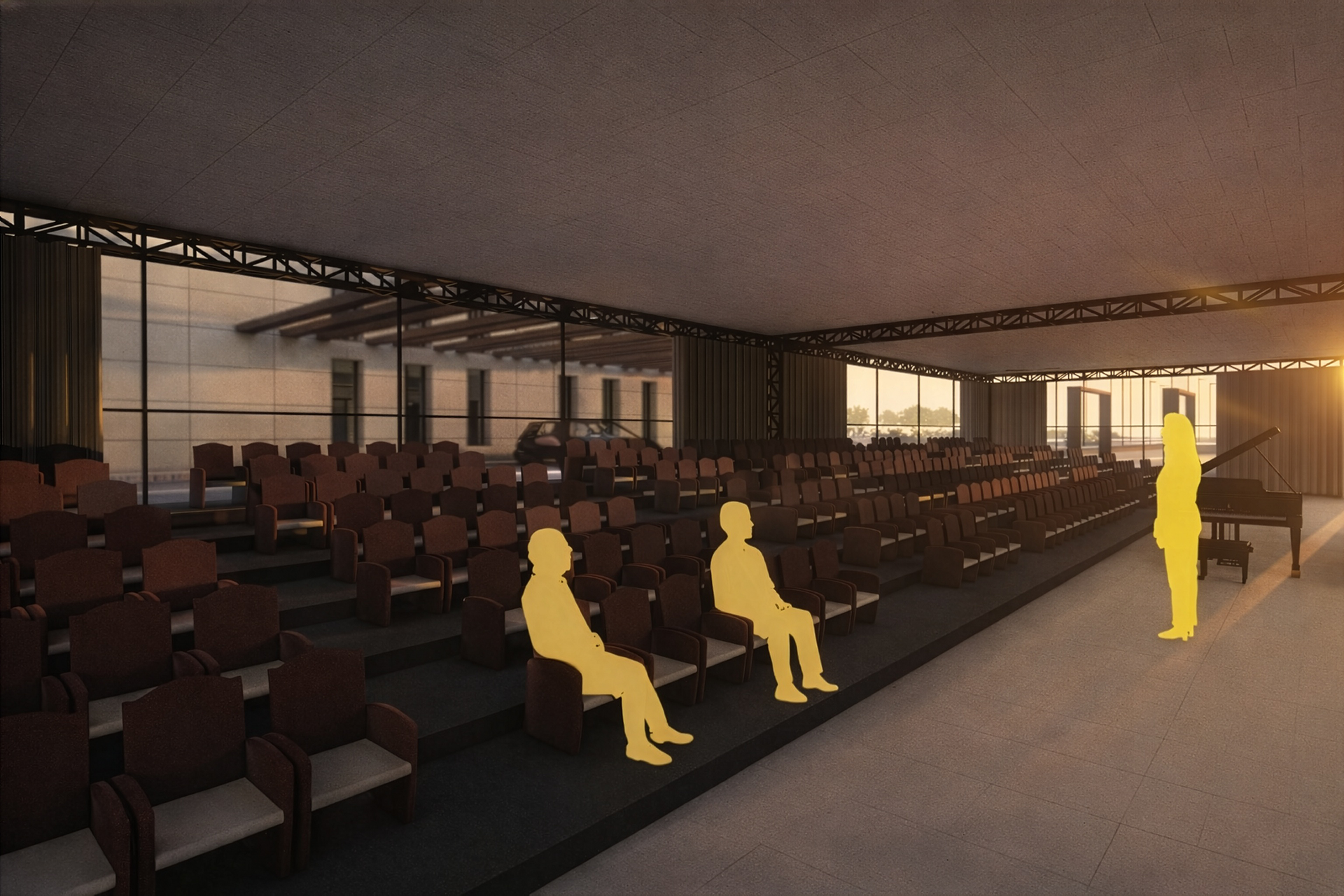
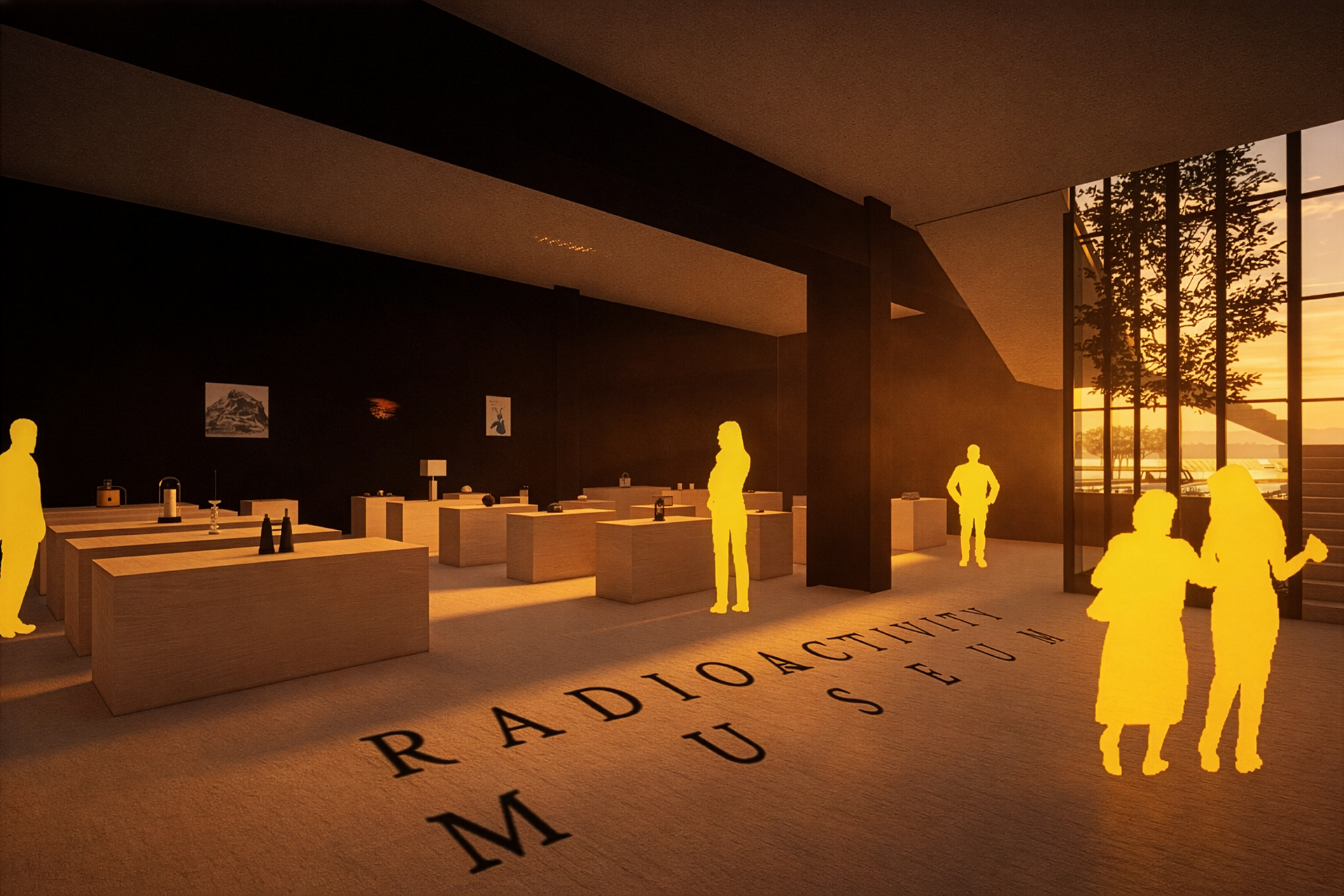
Archıtectural Implıcatıon: Toward Pre-Future Infrastructures
By positioning architecture as a mediating interface, the project proposes a spatial model in which post-apocalyptic environmental conditions are reinterpreted as pre-future testing grounds. In doing so, it establishes an experimental framework for adaptive habitation that may inform future architectural strategies for extraterrestrial environments where radiation constitutes a primary environmental constraint. Ultimately, the proposal advances an architectural allegory of resilience in the Anthropocene: a design approach that does not seek to eliminate environmental extremity, but to inhabit, negotiate, and learn from it as a precursor to future spatial paradigms beyond Earth.
Notes:
1. AI tools were utilized during the post-production processes of the visual materials presented in this project.
2. This project was developed as the author’s undergraduate graduation project and was evaluated with an AA grade.
3. The project was conducted within the scope of the Architectural Design Studio (VI) at Yaşar University, under the supervision of Assoc. Prof. Dr. Mauricio Gabriel Morales Beltran.
2. This project was developed as the author’s undergraduate graduation project and was evaluated with an AA grade.
3. The project was conducted within the scope of the Architectural Design Studio (VI) at Yaşar University, under the supervision of Assoc. Prof. Dr. Mauricio Gabriel Morales Beltran.