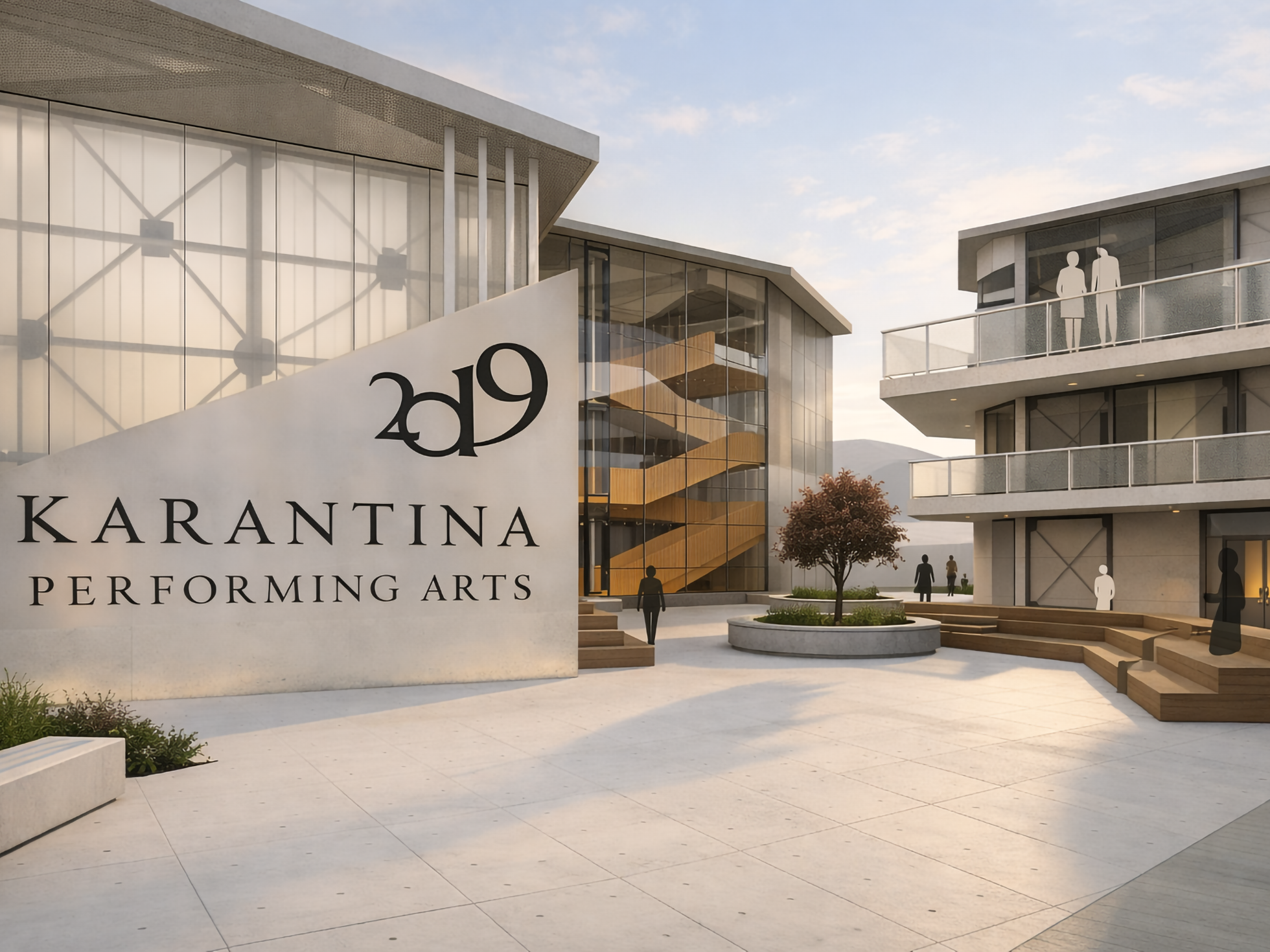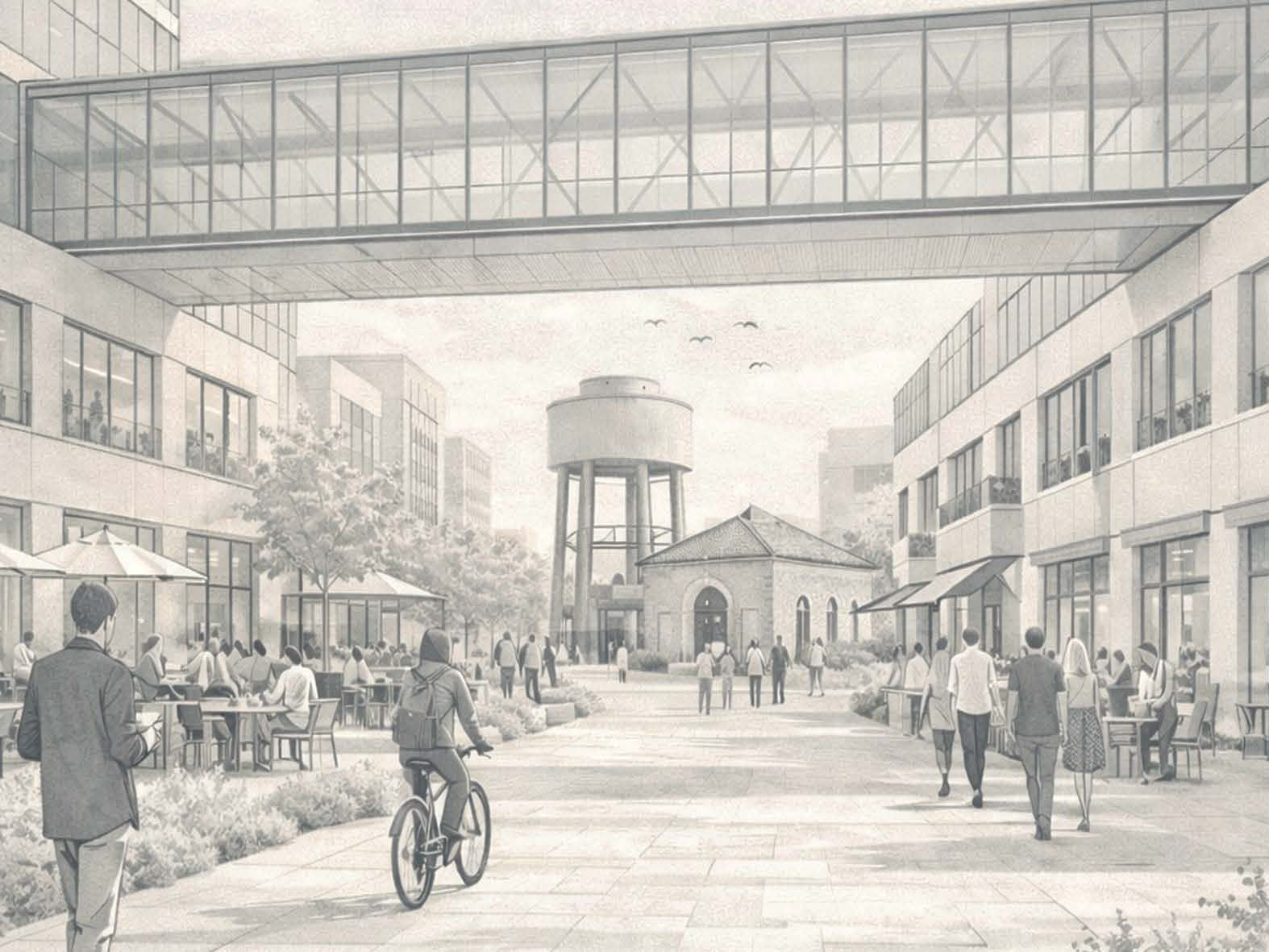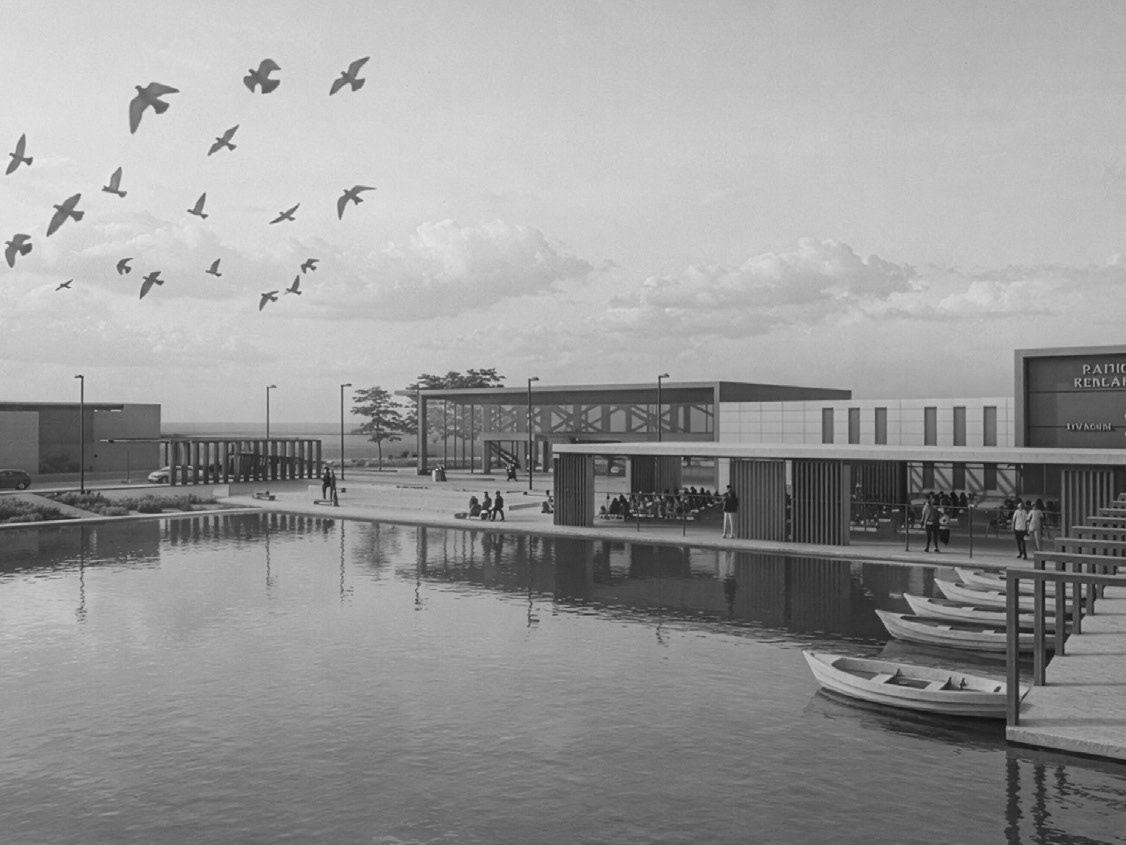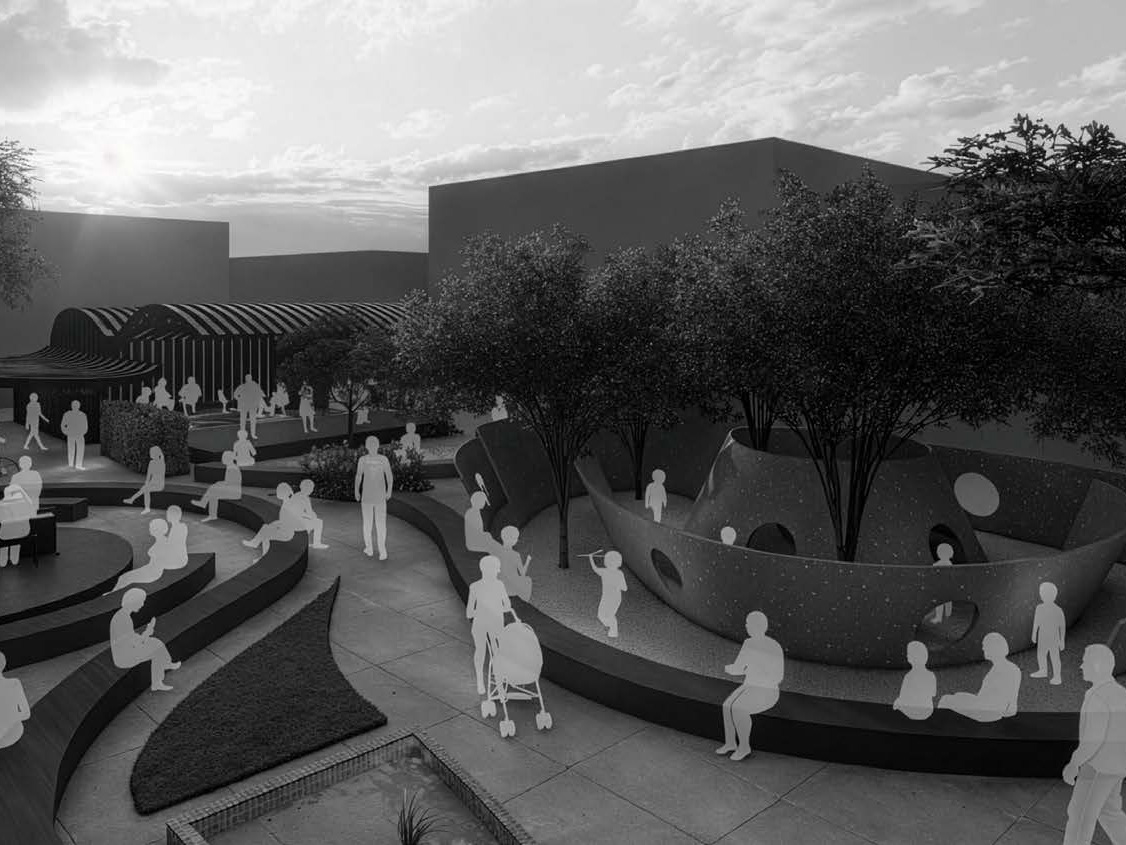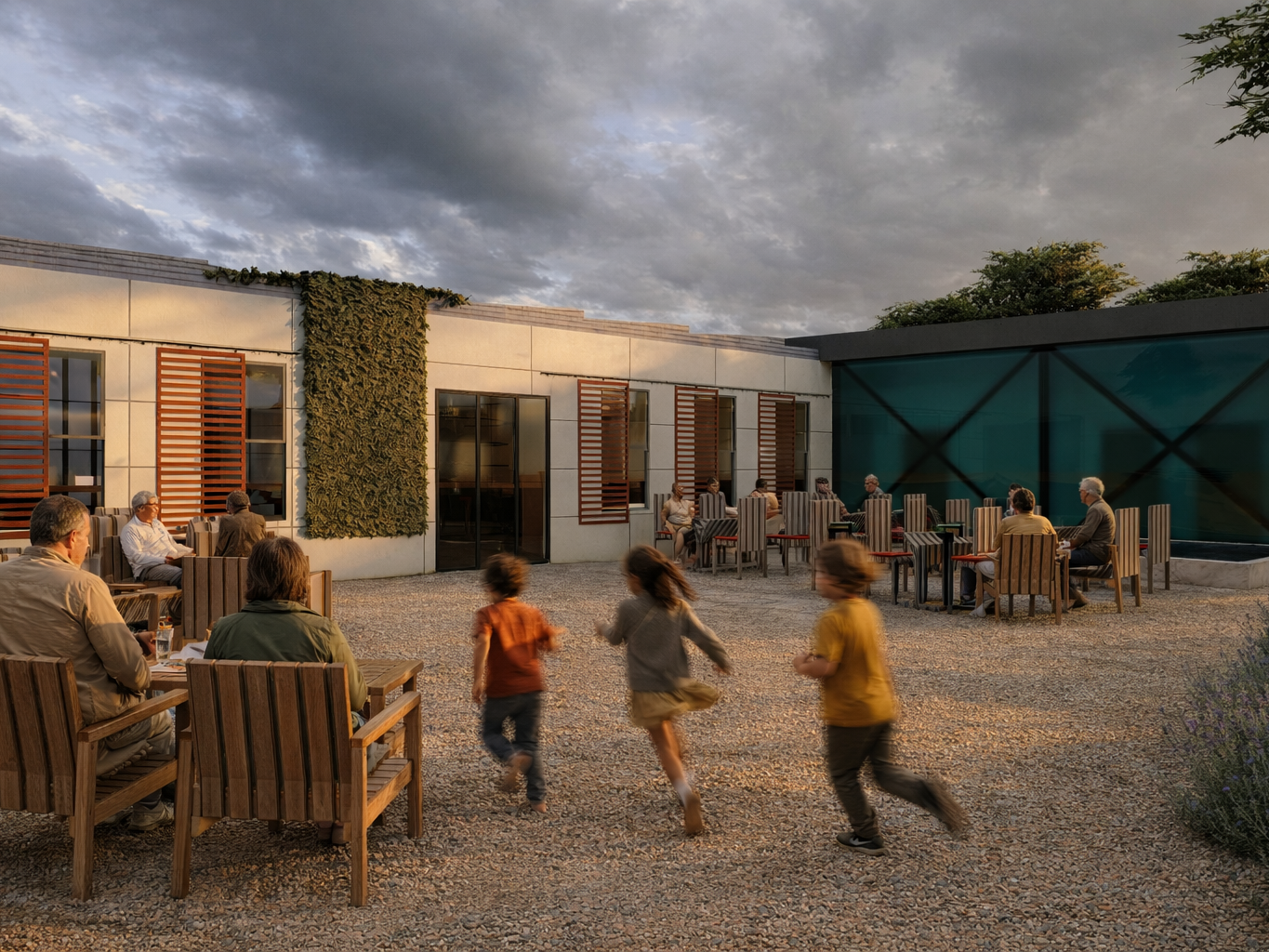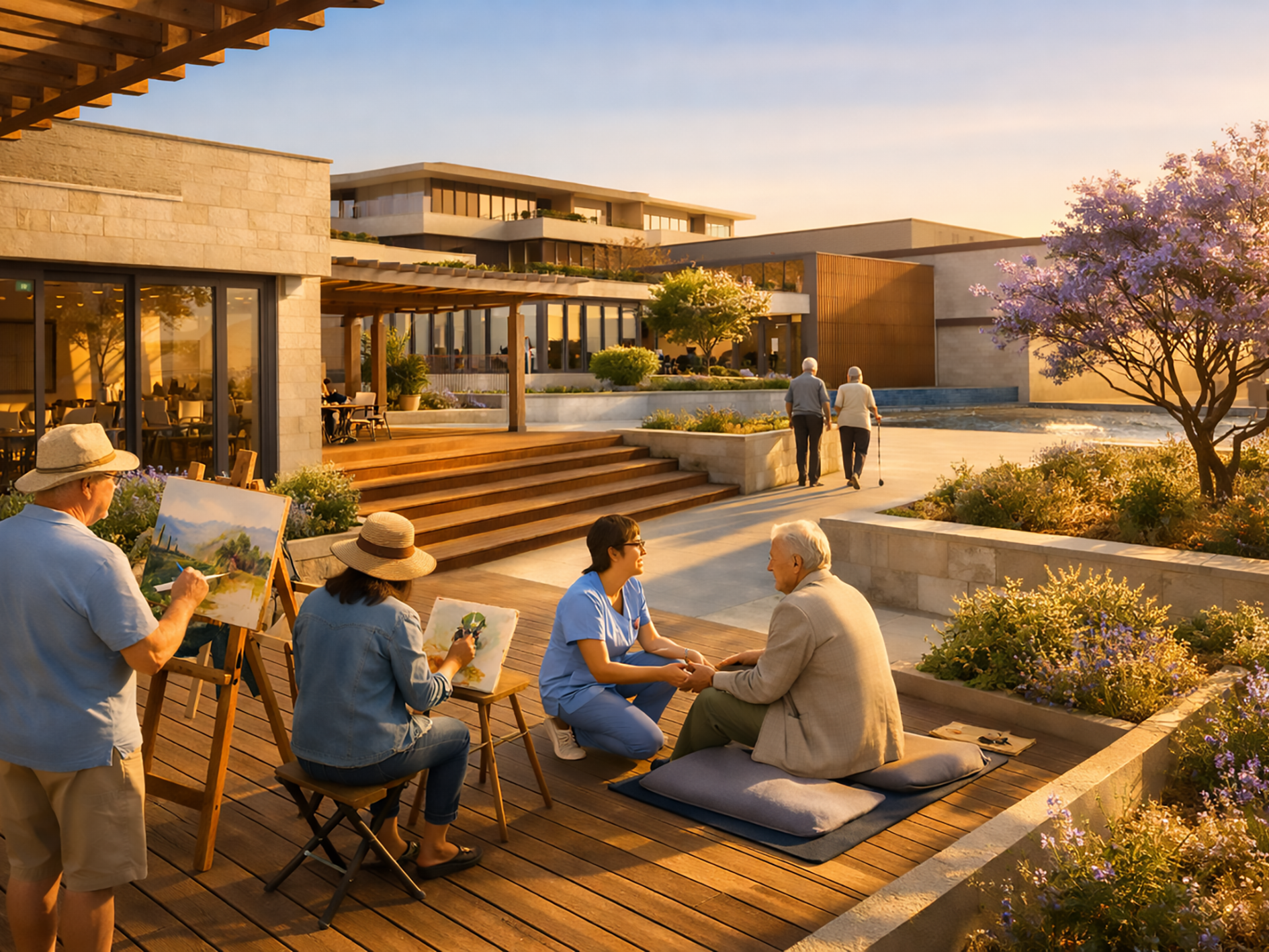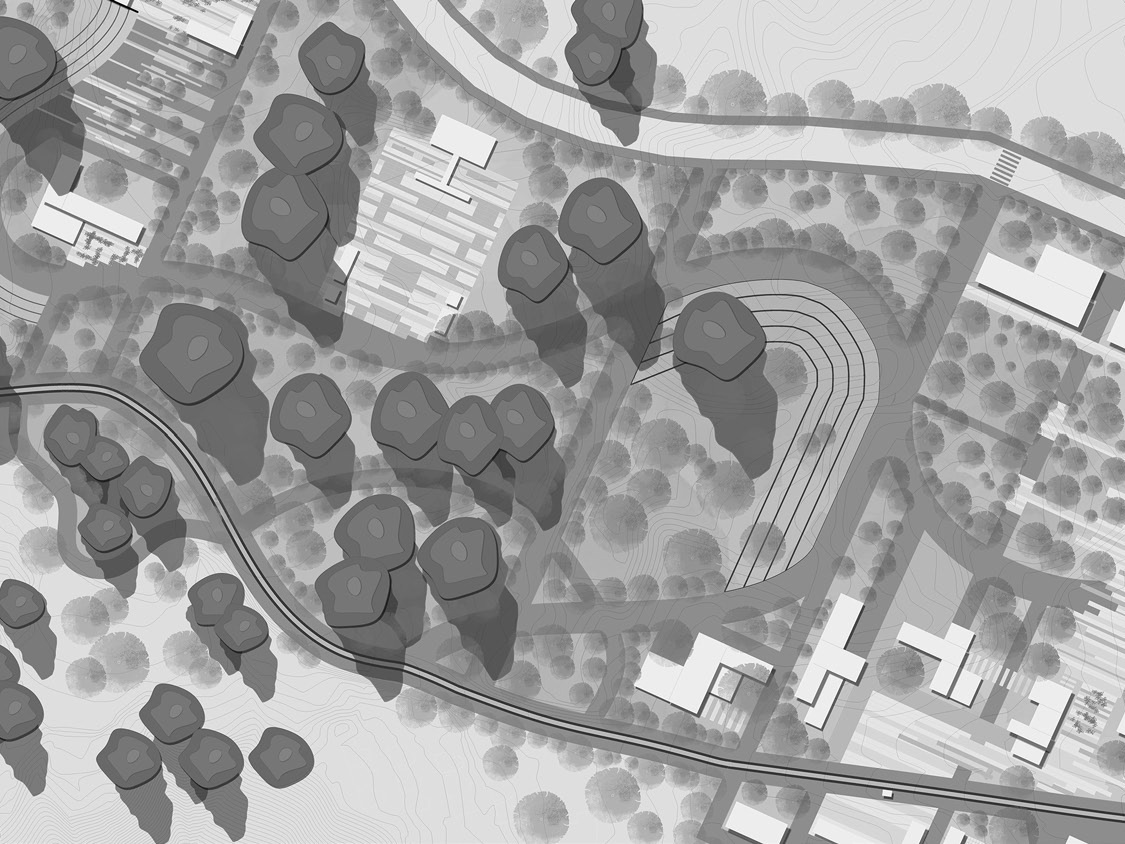
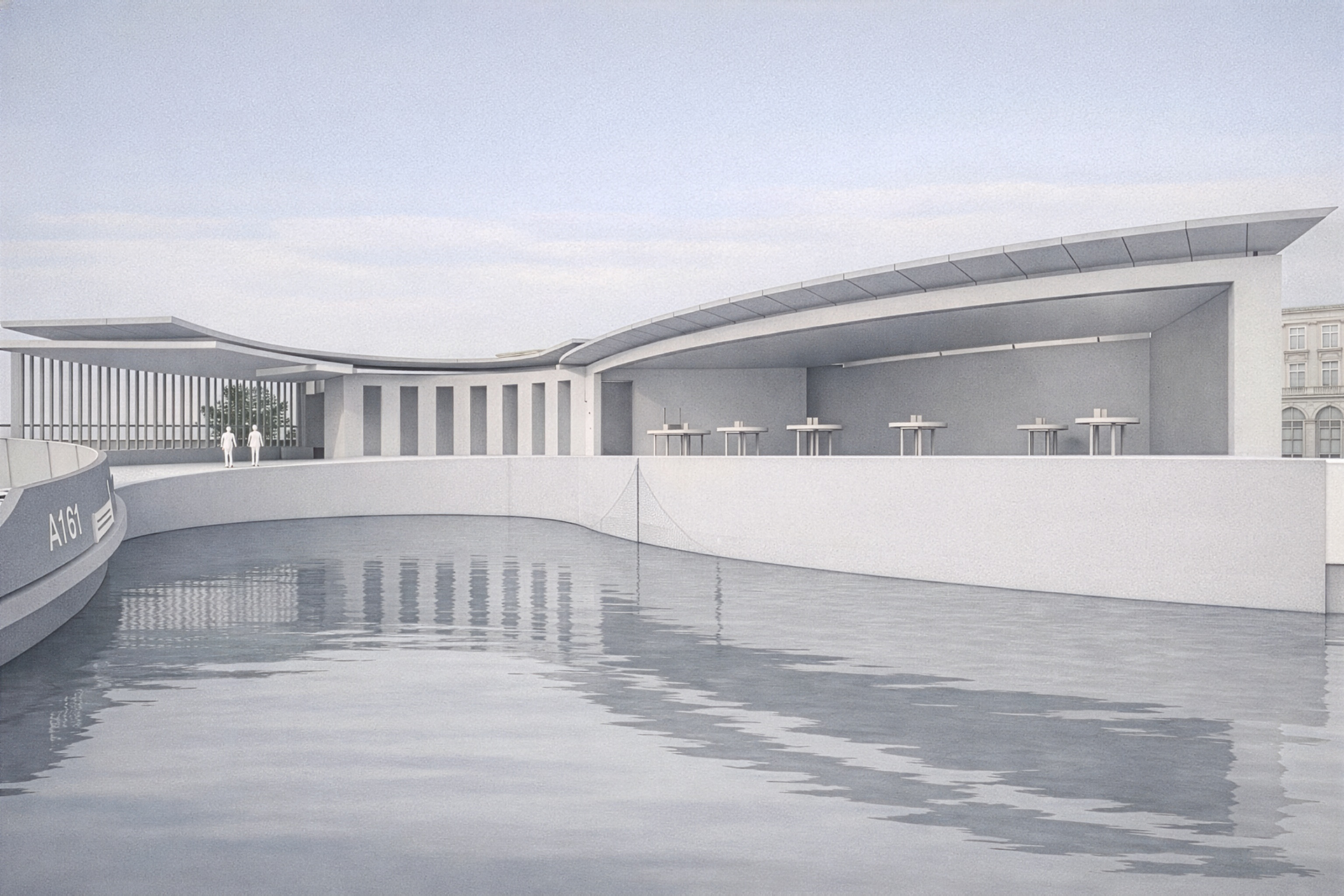
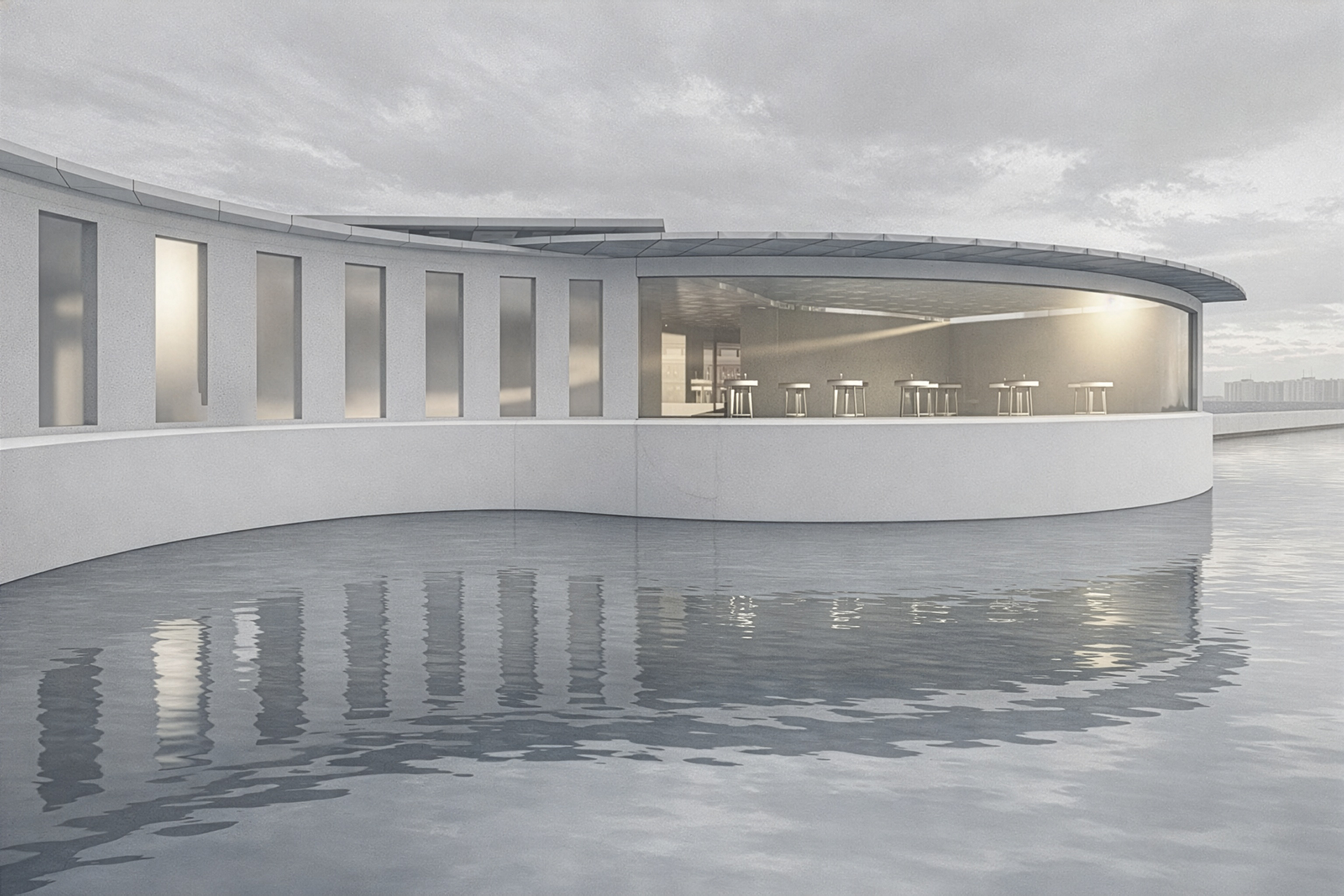
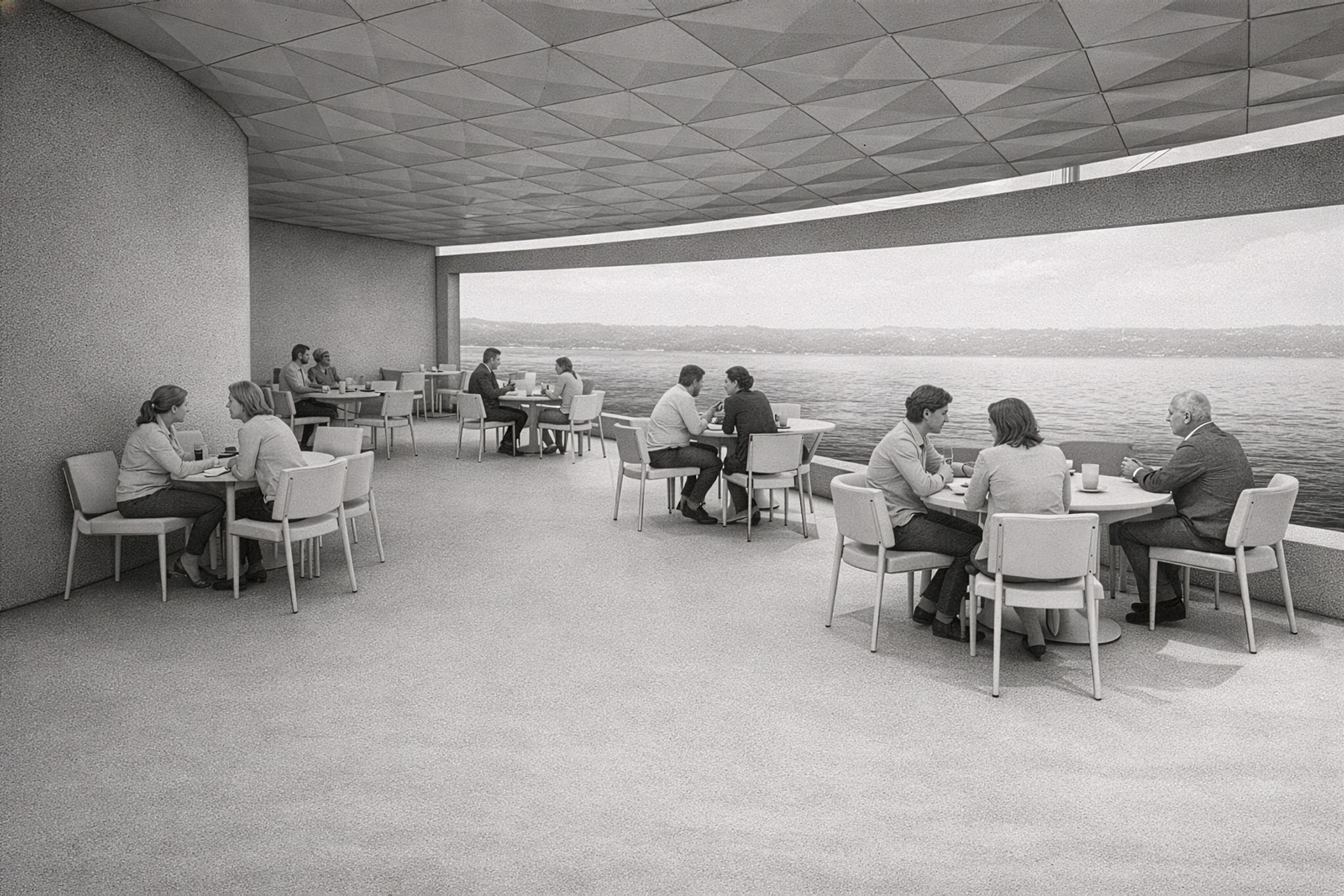
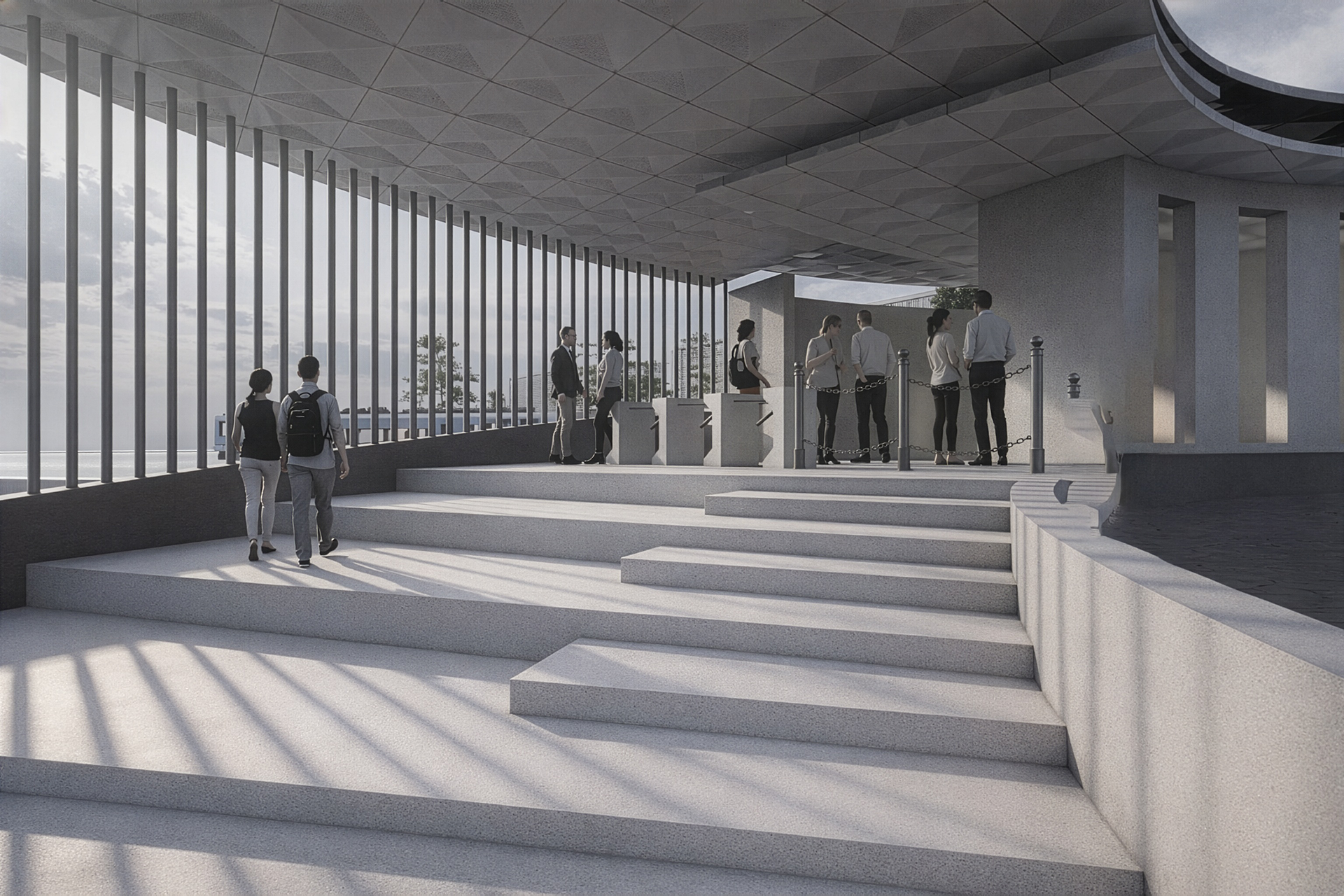
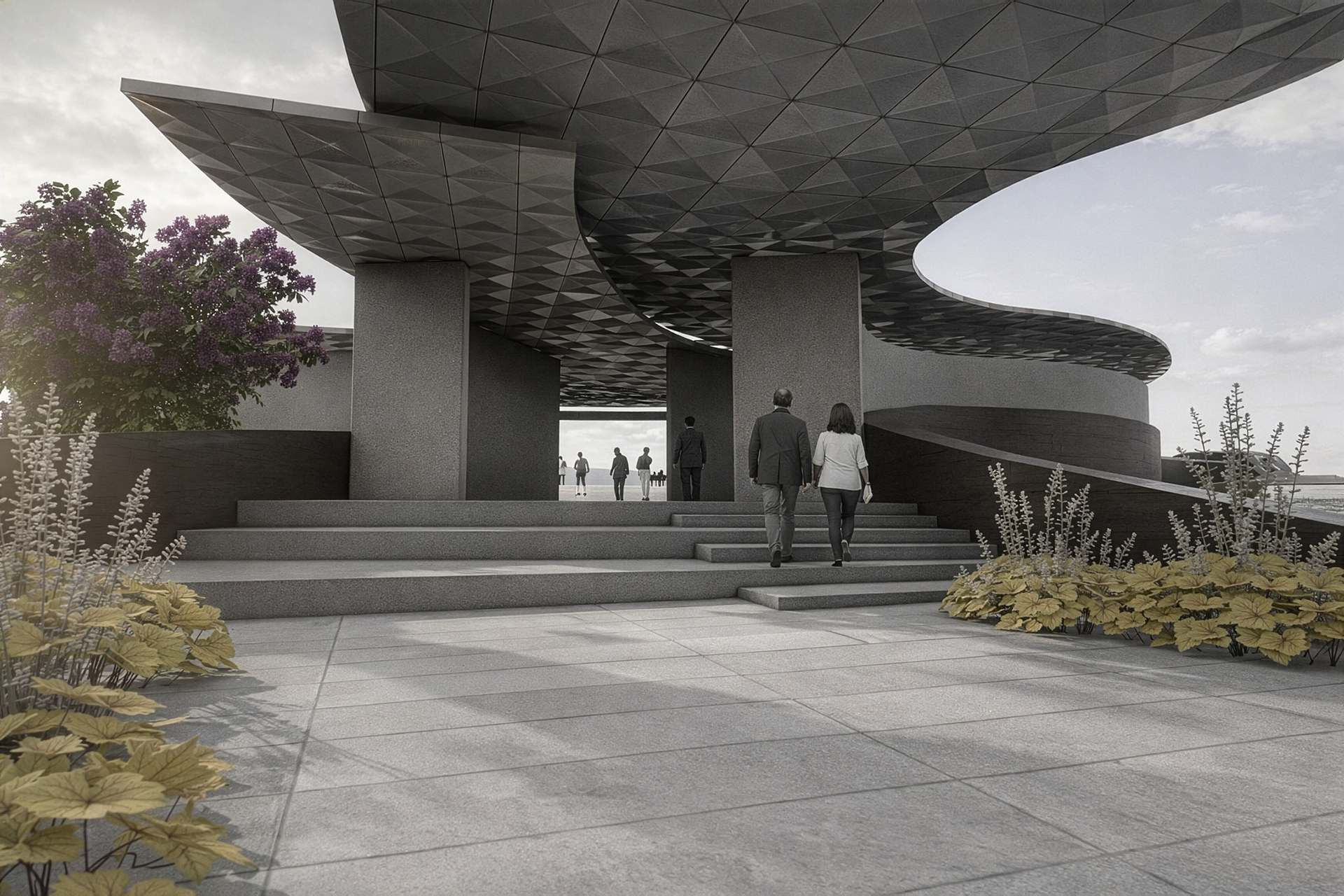
The Karantina Cityline Port project proposes a heritage-oriented coastal intervention that mediates between contemporary commuter mobility and the historical-cultural layers embedded within the Karantina waterfront of Izmir. Located along a historically significant segment of the urban shore-line, the project engages with the latent archival narratives of the site, seeking to reintroduce its socio-spatial memory into the everyday routines of urban transit.
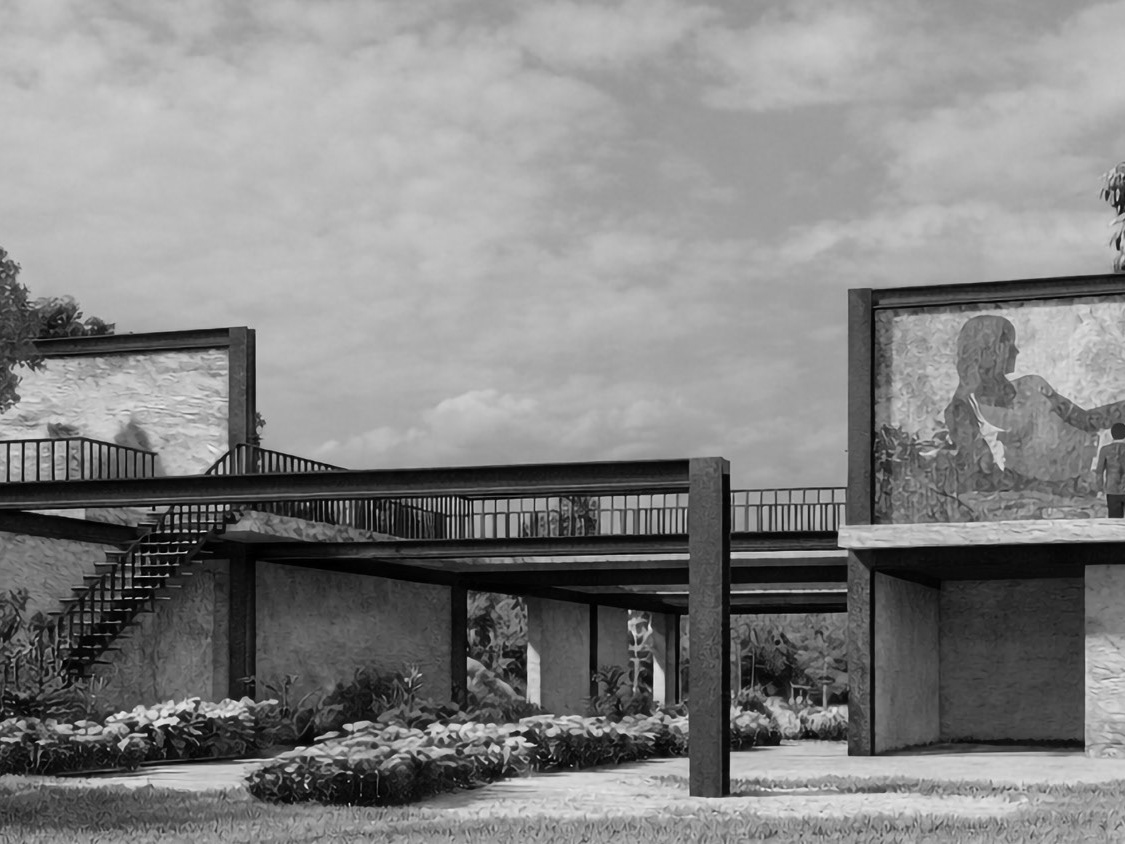
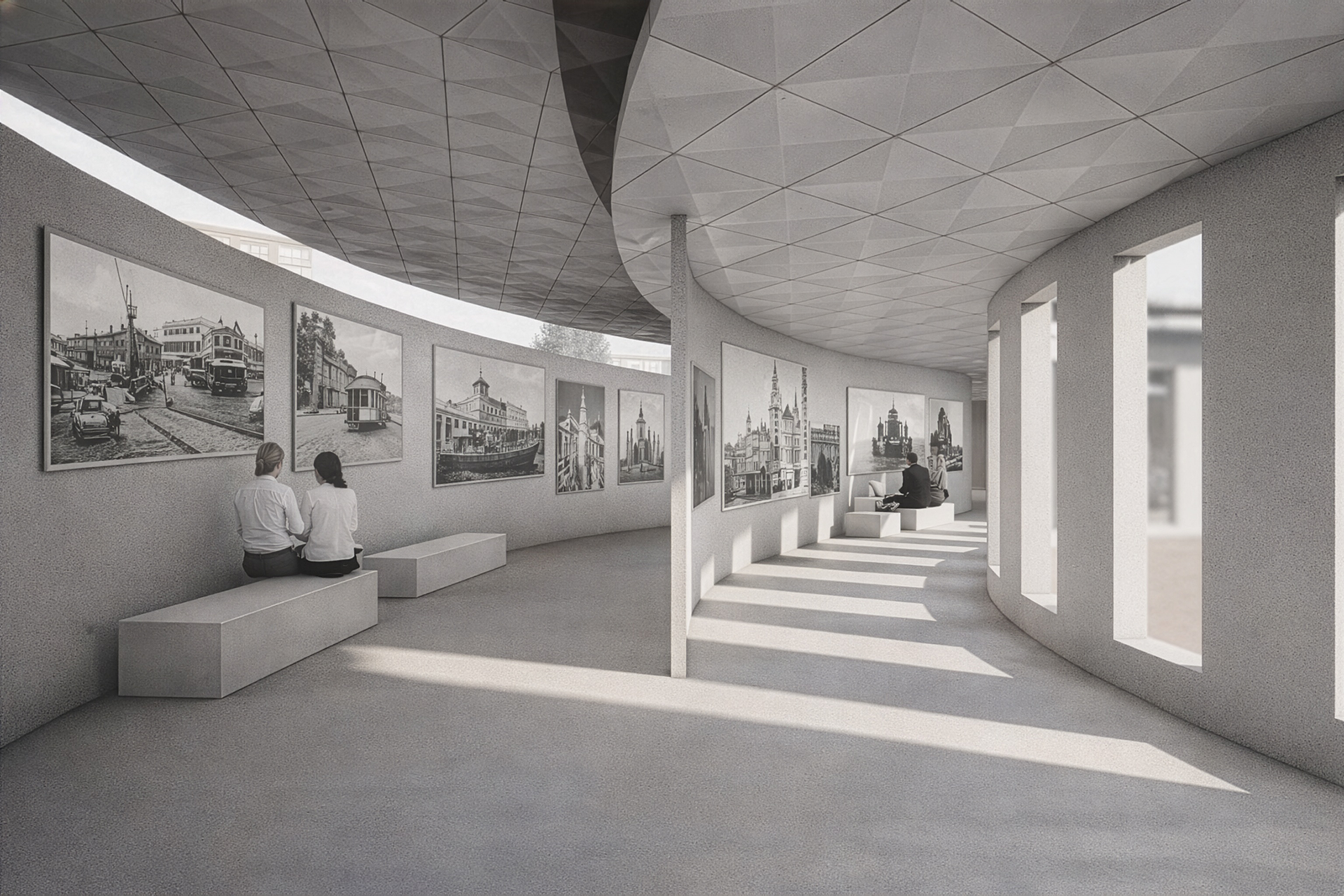
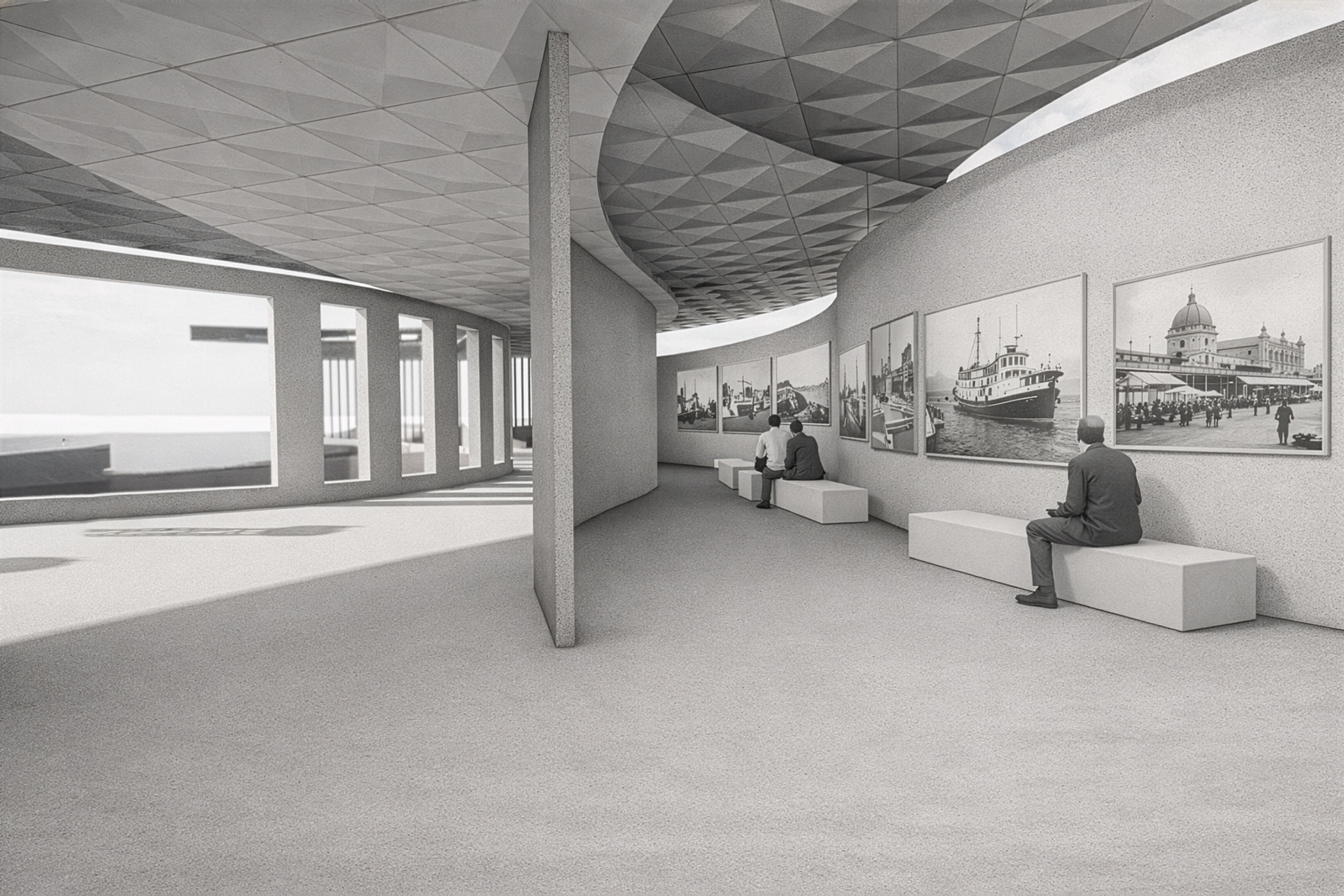
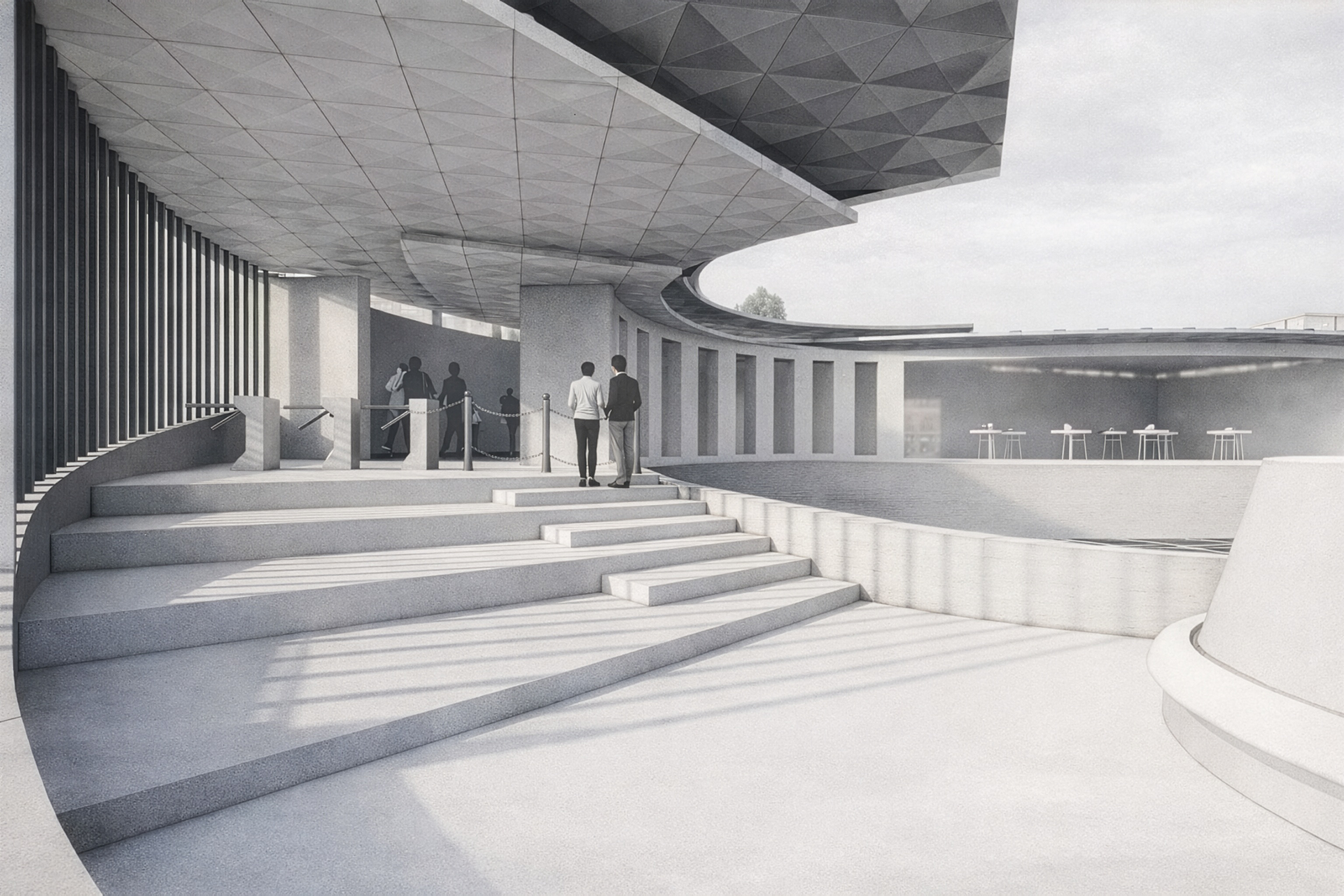
Rather than approaching the port infrastructure solely as a logistical node facilitating passenger circulation, the proposal reconceptualizes the coastal edge as a mnemonic interface through which the collective memory of the city may be spatially communicated. In this regard, the design introduces a linear gallery system integrated into the exist-ing commuter pathways, enabling the transmission of historical and cultural content through exhibition-based public surfaces embedded within the transit environment.
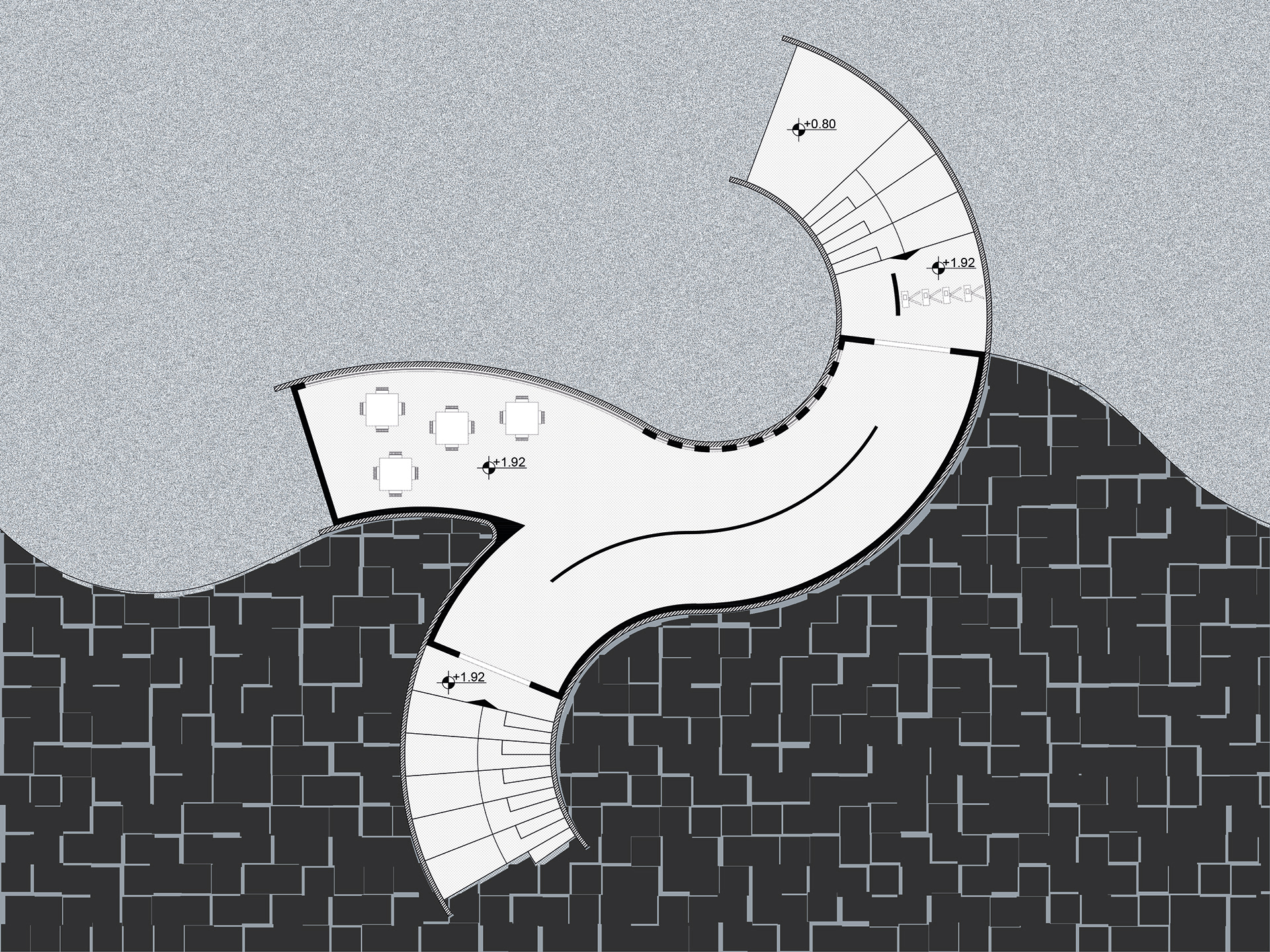
Archival photographs, visual documents, and site-specific artefacts are incorporated into the spatial sequence of the port structure, transforming the act of movement into an interpretive engagement with the historical evolution of the Karantina district. This strategy allows the infrastructure to operate simultaneously as a mobility corridor and as an urban archive, where transit-based temporality intersects with curated representations of the past.
Through this heritage-driven spatial approach, the Karantina Cityline Port positions coastal infrastructure not only as a facilitator of movement, but also as an active agent in the preservation and dissemination of urban memory. In doing so, the project advances an architectural framework in which everyday transit environments are redefined as platforms for cultural continuity and historical awareness within the contemporary city.
Notes:
1. Artificial Intelligence (AI) tools were utilized during the post-production processes of the visual materials presented in this project.
2. This project was developed individually within the scope of the Architectural Design Studio (III) at Yaşar University.
2. This project was developed individually within the scope of the Architectural Design Studio (III) at Yaşar University.